
Feeling cooped up? Get out of town with this delightful literary road trip
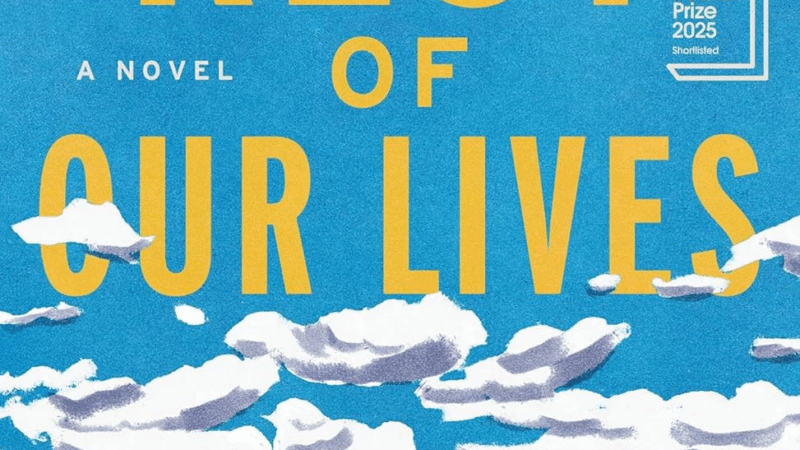
Tom Layward, the narrator and main character of Ben Markovits’ new novel, The Rest of Our Lives, introduces himself in a curious way: On the very first page of the book, he talks, matter-of-factly, about the affair his wife, Amy, had 12 years ago, when their two kids were young.
Amy, who’s Jewish, got involved at a local synagogue in Westchester; Tom, who was raised Catholic and is clearly not a joiner, remained on the sidelines. At the synagogue, Amy met Zach Zirsky, who Tom describes as “the kind of guy who danced with all the old ladies and little pigtailed girls at a bar mitzvah, so he could also put his arm around the pretty mothers and nobody would complain.”
After the affair came out, Tom and Amy decided to stay together for the kids: a boy named Michael and his younger sister, Miriam. But, Tom tells us “I also made a deal with myself. When Miriam goes to college you can leave, too.” The deal, Tom says, “helped me get through the first few months … [when] we had to pretend that everything was fine.”
Twelve years have since passed and the marriage has settled back into a state of OK-ness. Miriam, now 18, is starting college in Pittsburgh and because Amy is having a tough time with Miriam’s departure, Tom alone drives her to campus.
And, once Tom drops Miriam off, he just keeps driving, westward; without explanation to us or to himself; as though he’s a passenger in a driverless car that has decided to carry him across “the mighty Allegheny” and keep on going.
The three-page scene where Tom passively melds into the trans-continental traffic flow constitutes a master class on how to write about a character who is opaque to himself. “[Y]ou don’t feel anything about anything,” Amy says early on to Tom — an accusation that’s pretty much echoed by Tom’s old college girlfriend, Jill, whom he spontaneously drops in on at her home in Las Vegas, after being out of touch for roughly 30 years.
But, if Tom is distanced from his own feelings (and vague about the “issue” he had “with a couple of students” that forced him to take a leave from teaching in law school), he’s a sharp diagnostician of other people’s behavior. What fuels this road trip is Tom’s voice — by turns, wry, mournful and, oh-so-casually, astute.
There’s a strain of Richard Ford and John Updike in Tom’s tone, which I mean as a high compliment. Take, for instance, how Tom chats to us readers about a married couple who are old friends of his and Amy’s:
[Chrissie] was maybe one of those women who derives secret energy from the troubles of her friends. Her husband, Dick, was a perfectly good guy, about six-two, fat and healthy. He worked for an online tech platform. I really don’t know what he did.
So might most of us be summed up for posterity.
As Tom racks up miles, taking detours to visit other folks out of his past, like his semi-estranged brother, his meandering road trip accrues in suspense. There’s something else he’s subconsciously speeding away from here besides his marriage. Tom tells us at the outset that he’s suffering from symptoms his doctors ascribe to long COVID: dizziness and morning face swelling so severe that daughter Miriam jokingly calls him “Puff Daddy.” Shortly after he reaches the Pacific, Tom also lands in the hospital. “Getting out of the hospital,” Tom dryly comments, “is like escaping a casino, they don’t make it easy for you.”
The canon of road trip stories in American literature is vast, even more so if you count other modes of transportation besides cars — like, say, rafts. But, the most memorable road trips, like The Rest of Our Lives, notice the easy-to-miss signposts — marking life forks in the road and looming mortality — that make the journey itself everything.
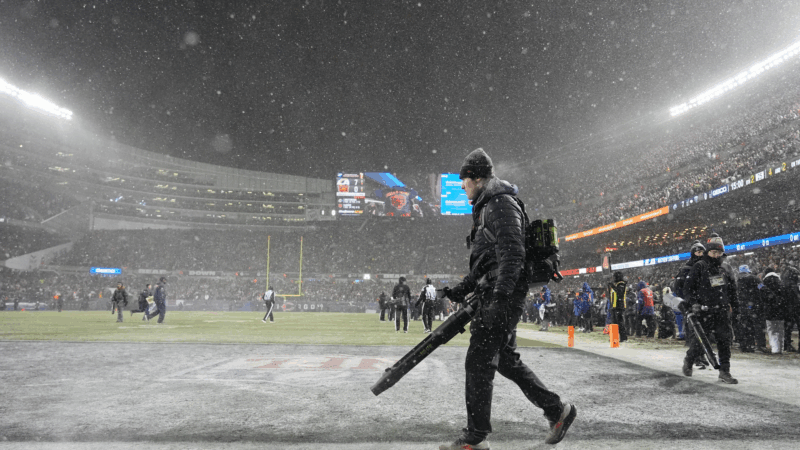
Why the Chicago Bears could be moving to Indiana
While Illinois is trying to keep the team in Chicago's suburbs, Indiana lawmakers are offering a plan to finance a new stadium
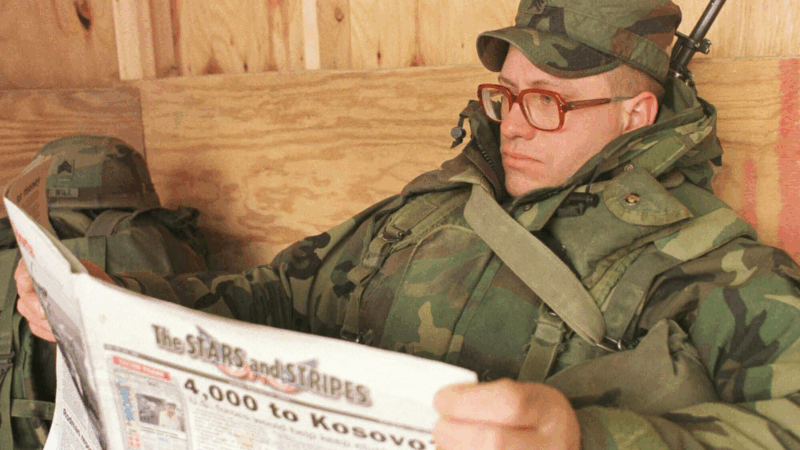
Pentagon tightens controls over Stars and Stripes after calling it “woke”
The new rules for the independent military newspaper are the Defense Department's latest effort to put extraordinary restrictions on journalists covering the agency.
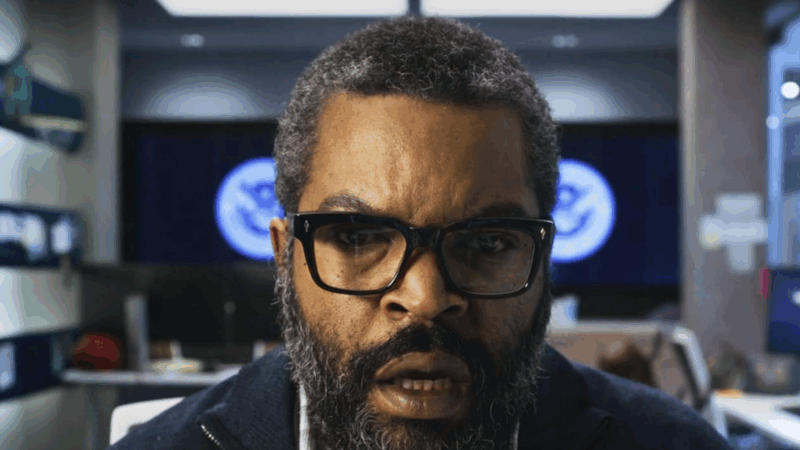
‘War of the Worlds’ remake sinks to the bottom at this year’s Razzie Awards
The surveillance industry version of HG Wells' 1898 classic sci-fi novel stars Ice Cube, and won accolades for worst picture, actor, director and more.
Russian strike on Kyiv region kills 4 and wounds 15, with peace talks stalled
The strikes comes after the United States paused ceasefire talks between Russia and Ukraine due to the war with Iran.
As the risk of measles grows, why are parents so divided on vaccines?
In South Carolina, some parents embrace vaccines, others opt out. Why do people make such different choices? A mix of politics, distrust and misinformation is pushing neighbors apart.
Brazil’s ex-President Bolsonaro is in intensive care with pneumonia, hospital says
One of Bolsonaro's doctor's described the former Brazilian president's medical condition as "serious."
