
Federal judge delays expiration of TPS for Hondurans, Nicaraguans, and Nepalese

A federal judge in San Francisco on Thursday blocked the Trump administration, for now, from terminating Temporary Protected Status for people from Honduras, Nicaragua and Nepal.
Judge Trina Thompson’s decision postopones the terminations until November, when a hearing to discuss the merits will take place. It affects about 60,000 immigrants whose temporary protected status was set to expire beginning August 5. Most of them have been living in the U.S. for more than 20 years.
In her ruling, Thompson chided the actions of the Trump administration.
“The freedom to live fearlessly, the opportunity of liberty, and the American dream. That is all Plaintiffs seek,” Thompson wrote. “Instead, they are told to atone for their race, leave because of their names, and purify their blood. The Court disagrees.”
The Department of Homeland Security did not immediately respond to a request for comment.
Under the law that created TPS, presidents have the authority to grant protected status to migrants from countries experiencing conditions that will prevent them from returning safely, such as natural disasters and civil wars.
In 1999, Hondurans and Nicaraguans were granted TPS for the first time after Hurricane Mitch caused widespread destruction. Nepal was added to the list of TPS countries after a devastating earthquake in 2015.
Since taking office, the Trump administration has moved to end the TPS designation for many countries, including Venezuela and Haiti.
A spokesperson for the Department of Homeland Security said earlier this month the decision to end TPS for Nicaragua “restores integrity in our immigration system and ensures that TPS remains temporary.”
“Temporary Protected Status was never meant to last a quarter of a century,” the spokesperson said. “The impacts of a natural disaster impacting Nicaragua in 1999 no longer exist. The environmental situation has improved enough that it is safe enough for Nicaraguan citizens to return home.”
At the same time, the Department of State has advised U.S. citizens to “(R)econsider travel to Nicaragua due to arbitrary enforcement of laws, the risk of wrongful detention, and limited healthcare availability.”
Regarding the ending of TPS for Hondurans, Homeland Security Secretary Kristi Noem stated in a press release earlier this month: “It is clear that the Government of Honduras has taken all of the necessary steps to overcome the impacts of Hurricane Mitch, almost 27 years ago.”
“Honduran citizens can safely return home, and DHS is here to help facilitate their voluntary return,” Noem said.
Judge Thompson said in her ruling that the Trump administration’s decisions to end the programs “were based on a preordained determination to end the TPS program, rather than an objective review of the country conditions.”
Courts across the country — including the U.S. Supreme Court — have heard challenges to the termination of TPS for different groups.

Israeli soldiers fire on family car in occupied West Bank, killing 4
Israeli soldiers fired on a car carrying a family in the northern West Bank, killing four people including two children, the Palestinian Authority's Health Ministry said.
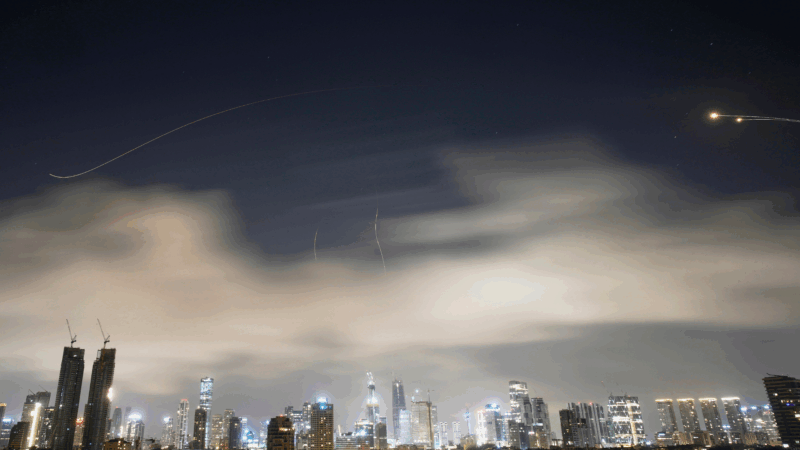
U.S. military names six killed in plane crash as Iran war enters third week
The conflict in the Middle East has entered a third week, with Israel announcing a barrage of new strikes on western Iran on Sunday, while the U.S. defense department released the names of six service members who died when their military refueling aircraft crashed.
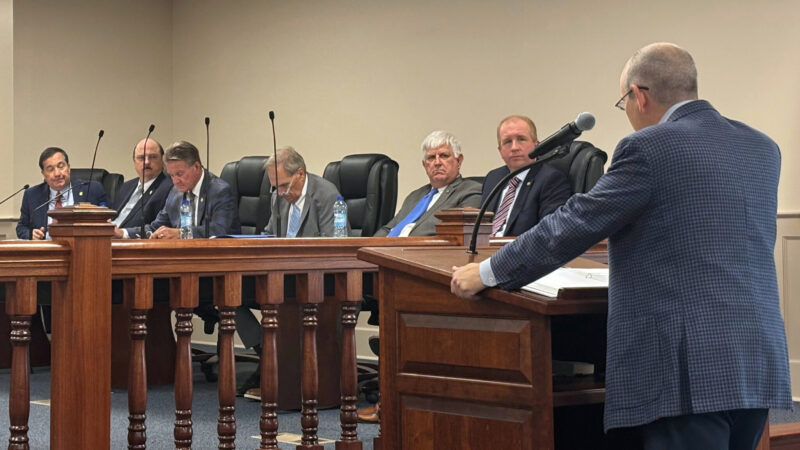
Alabama poised to drastically overhaul utility regulation. Will it lower electric bills?
The Alabama Senate unanimously voted to expand the public service commission, and create a Secretary of Energy to address rising electricity prices. A bill in the House would go even further, requiring rate case hearings and limiting utility profits.
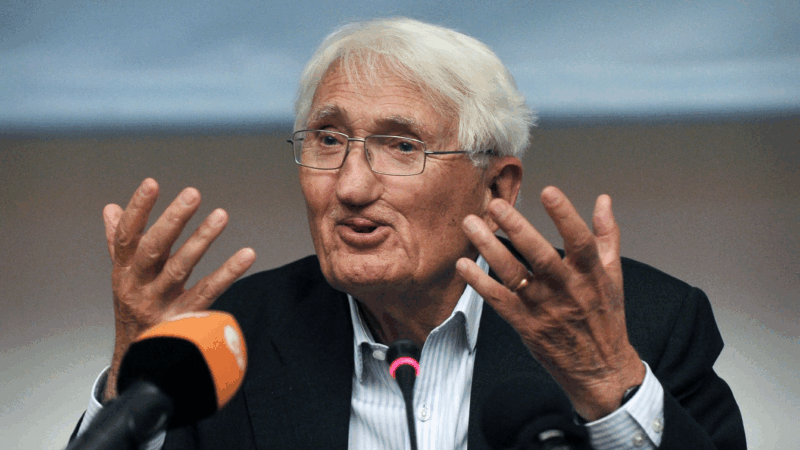
Acclaimed 20th century philosopher Jürgen Habermas dies at 96
Associated with the Frankfurt School, Habermas was a world-renowned thinker on modernity and democracy who helped shape German post-war and post-reunification political discourse.

Why the Chicago Bears could be moving to Indiana
While Illinois is trying to keep the team in Chicago's suburbs, Indiana lawmakers are offering a plan to finance a new stadium

Pentagon tightens controls over Stars and Stripes after calling it “woke”
The new rules for the independent military newspaper are the Defense Department's latest effort to put extraordinary restrictions on journalists covering the agency.
