
Families of killed men file first U.S. federal lawsuit over drug boat strikes

Relatives of two Trinidadian men killed in an air strike last October are suing the U.S. government for wrongful death and for carrying out extrajudicial killings.
The case, filed in Massachusetts, is the first lawsuit over the strikes to land in a U.S. federal court since the Trump administration launched a campaign to target vessels off the coast of Venezuela. The American government has carried out three dozen such strikes since September, killing more than 100 people.
Among them are Chad Joseph, 26, and Rishi Samaroo, 41, who relatives say died in what President Trump described as “a lethal kinetic strike” on Oct. 14, 2025. The president posted a short video that day on social media that shows a missile targeting a ship, which erupts in flame.
“This is killing for sport, it’s killing for theater and it’s utterly lawless,” said Baher Azmy, legal director of the Center for Constitutional Rights. “We need a court of law to rein in this administration and provide some accountability to the families.”
The White House and Pentagon justify the strikes as part of a broader push to stop the flow of illegal drugs into the U.S.
But the new lawsuit described Joseph and Samaroo as fishermen doing farm work in Venezuela, with no ties to the drug trade. Court papers said they were headed home to family members when the strike occurred and now are presumed dead.
Neither man “presented a concrete, specific, and imminent threat of death or serious physical injury to the United States or anyone at all, and means other than lethal force could have reasonably been employed to neutralize any lesser threat,” according to the lawsuit.
Lenore Burnley, the mother of Chad Joseph, and Sallycar Korasingh, the sister of Rishi Samaroo, are the plaintiffs in the case.
Their court papers allege violations of the Death on the High Seas Act, a 1920 law that makes the U.S. government liable if its agents engage in negligence that results in wrongful death more than three miles off American shores. A second claim alleges violations of the Alien Tort Statute, which allows foreign citizens to sue over human rights violations such as deaths that occurred outside an armed conflict, with no judicial process.
The American Civil Liberties Union, the Center for Constitutional Rights, and Jonathan Hafetz at Seton Hall University School of Law are representing the plaintiffs.
“In seeking justice for the senseless killing of their loved ones, our clients are bravely demanding accountability for their devastating losses and standing up against the administration’s assault on the rule of law,” said Brett Max Kaufman, senior counsel at the ACLU.
U.S. lawmakers have raised questions about the legal basis for the strikes for months but the administration has persisted.
See the Oscars red carpet looks
Stars are arriving for the Academy Awards. The show starts at 7 p.m. ET, 4 p.m. PT on ABC and Hulu.
Selection Sunday is here. Here’s what to know ahead of March Madness
Brackets for the men's and women's NCAA basketball tournaments are set to be revealed. Duke is expected to be the men's top overall seed. The undefeated UConn Huskies will likely lead the women's.
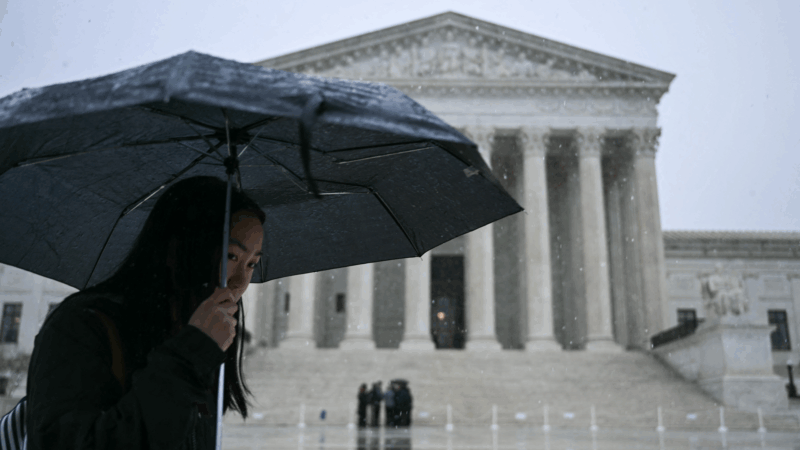
Snow and wind batter parts of US, with threat of thunderstorms and tornadoes
A broad and erratic patchwork of severe weather rumbled across much of the U.S. on Sunday, dumping heavy snow in the Upper Midwest while damaging high winds swept across the Plains.
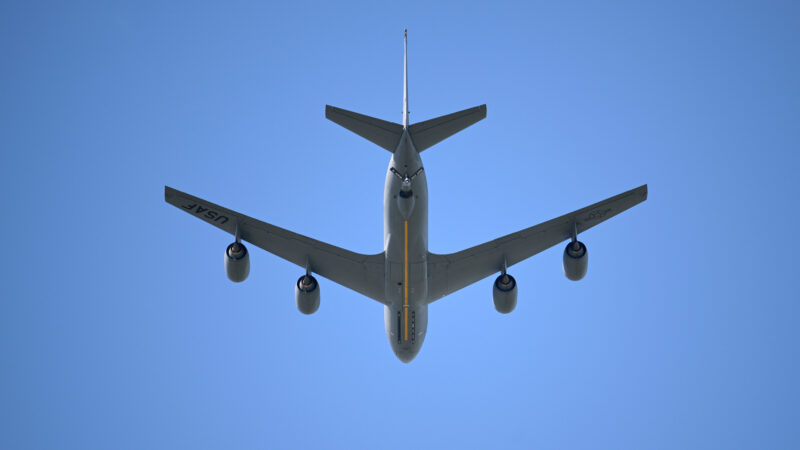
Crew of fatal US military crash included Alabama father recently deployed
The six U.S. service members who died in the crash of a U.S. military refueling aircraft included an Alabama father who had just been promoted and deployed. The U.S. government released the identities of the deceased service members Saturday.
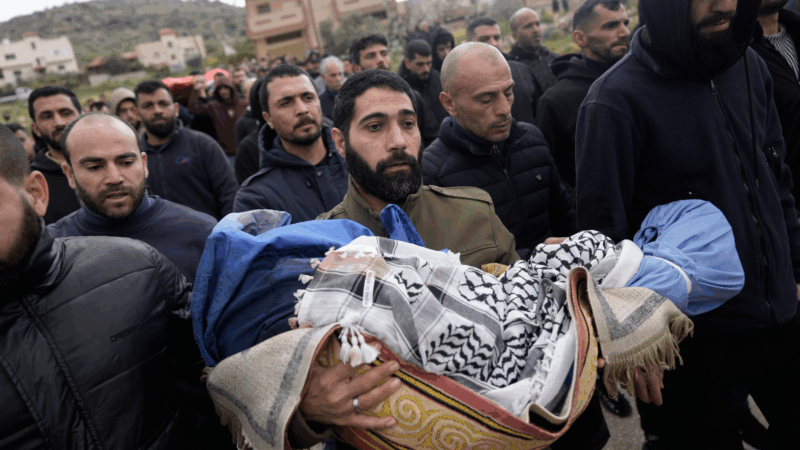
Israeli soldiers fire on family car in occupied West Bank, killing 4
Israeli soldiers fired on a car carrying a family in the northern West Bank, killing four people including two children, the Palestinian Authority's Health Ministry said.
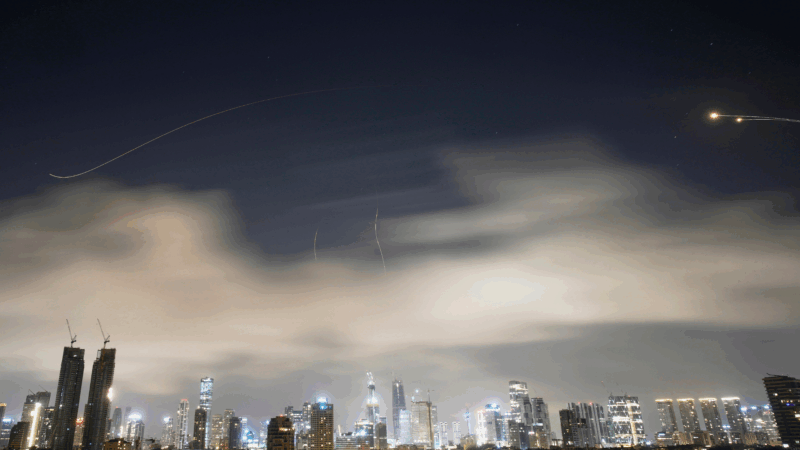
U.S. military names six killed in plane crash as Iran war enters third week
The conflict in the Middle East has entered a third week, with Israel announcing a barrage of new strikes on western Iran on Sunday, while the U.S. defense department released the names of six service members who died when their military refueling aircraft crashed.
