
Exercise is as effective as medication in treating depression, study finds

If you feel a lift after exercise, you’re in good company. Movement can boost mood, and according to the results of a new study, it can also help relieve symptoms of depression.
As part of a review of evidence by the Cochrane collaboration — an independent network of researchers — scientists evaluated 73 randomized controlled trials that included about 5,000 people with depression, many of whom also tried antidepressant medication.
“We found that exercise was as effective as pharmacological treatments or psychological therapies as well,” says Andrew Clegg, a professor at the University of Lancashire in the U.K.
The findings are not a surprise to psychiatrist Dr. Stephen Mateka, medical director of psychiatry at Inspira Health. “This new Cochrane review reinforces the evidence that exercise is one of the most evidence-based tools for improving mood,” says Mateka.
He explains how it mirrors some of the effects of medication. “Exercise can help improve neurotransmitter function, like serotonin as well as dopamine and endorphins. So there is certainly overlap between exercise and how antidepressants offer relief,” Mateka says.
In other words, exercise helps release chemicals in the body that are known to boost mood.
And there’s another powerful effect too. Exercise can trigger the release of brain growth factors, explains Dr. Nicholas Fabiano of the University of Ottawa. He says depression can decrease neuroplasticity, making it harder for the brain to adapt and change.
“The brain in depression is thought to be less plastic. So there’s less what we call neurotrophic factors, or BDNF,” Fabiano explains. He calls it the Miracle-Gro for the brain. “And we know that exercise can also boost it. So I think exercise is a fundamental pillar we really need to counsel patients on,” he says.
And while medications and therapy are important tools, Fabiano says exercise is recognized as a preferred treatment for depression.
“Exercise has been adopted as a first-line treatment in guidelines for depression globally with good acceptability and safety,” he writes. Yet he says it remains underappreciated and underutilized.
“It’s much easier for a primary care physician to prescribe medication to a patient. You just write it on a pad,” Fabiano says. It’s harder to prescribe exercise, which takes time and effort and can be difficult to start for people who are depressed.
Fabiano says exercise can work best as part of a combination of treatments. “We can start someone on an antidepressant — maybe that improves their mood, and they’re able to engage in therapy. And from there, maybe now they’re more interested in starting some of these lifestyle habits like exercise,” Fabiano says.
How much exercise is enough?
The evidence shows light to moderate exercise — where you get your heart rate up enough to feel slightly winded — can be as beneficial as vigorous or intense exercise, at least early on. And Fabiano says it’s OK to start with a “low dose.”
“Ultimately you want to work your way up. But going from completely sedentary to even just going for a walk every day, that’s where you start seeing those exponential gains,” he says, stressing the importance of getting started with modest amounts.
The study found that a combination of aerobic exercise and resistance training appears to be more effective than aerobic alone. The meta-analysis found between 13 and 36 workouts led to improvements in depressive symptoms, though long-term follow-up was rare. Researchers say there’s more to learn about how regular exercise may help stave off depression.
Mateka says there are lots of options. “When it comes to exercise, it’s about just finding the exercise that works for you, such as something like yoga or tai chi versus something like walking and jogging,” he says. For some, group activity can add to the psychosocial benefits.
At the end of the day, it’s best to pick something you enjoy or go back to an activity or sport you liked as a child.
“Exercise is something that is extremely low cost. It’s very accessible. It has very minimal side effects. And it has the opportunity to impact you positively, mentally, emotionally, socially and physically,” Mateka says.

Bill making the Public Service Commission an appointed board is dead for the session
Usually when discussing legislative action, the focus is on what's moving forward. But plenty of bills in a legislature stall or even die. Leaders in the Alabama legislature say a bill involving the Public Service Commission is dead for the session. We get details on that from Todd Stacy, host of Capitol Journal on Alabama Public Television.
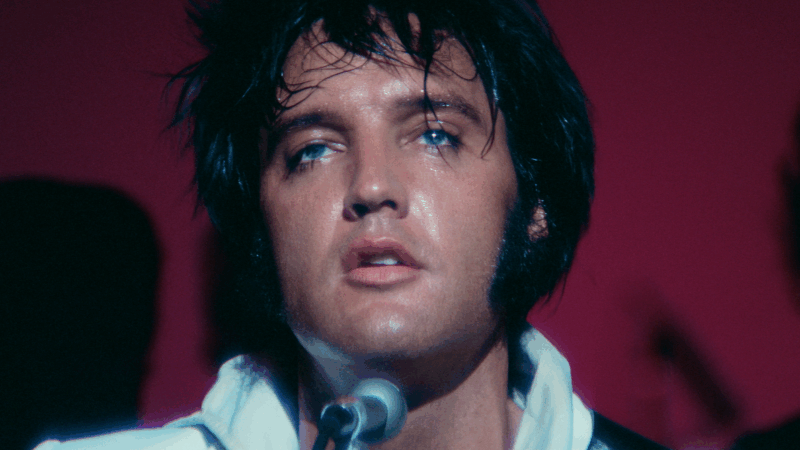
Baz Luhrmann will make you fall in love with Elvis Presley
The new movie is made up of footage originally shot in the early 1970s, which Luhrmann found in storage in a Kansas salt mine.
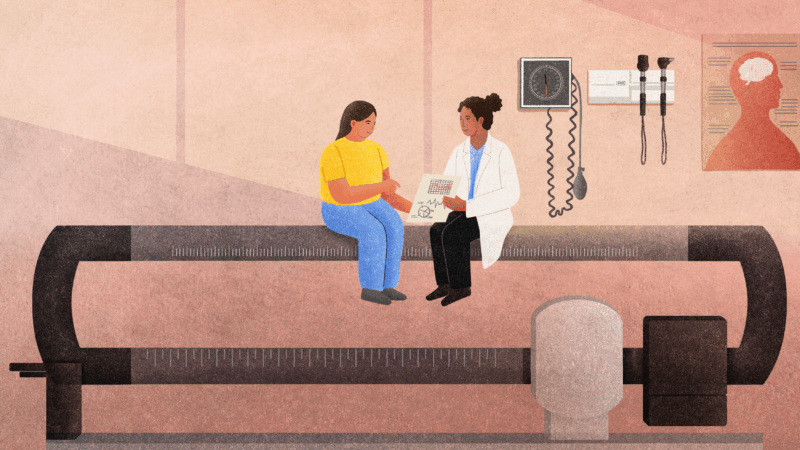
My doctor keeps focusing on my weight. What other health metrics matter more?
Our Real Talk with a Doc columnist explains how to push back if your doctor's obsessed with weight loss. And what other health metrics matter more instead.

Forget the State of the Union. What’s the state of your quiz score?
What's the state of your union, quiz-wise? Find out!

A team of midlife cheerleaders in Ukraine refuses to let war defeat them
Ukrainian women in their 50s and 60s say they've embraced cheerleading as a way to cope with the extreme stress and anxiety of four years of Russia's full-scale invasion.

As the U.S. celebrates its 250th birthday, many Latinos question whether they belong
Many U.S.-born Latinos feel afraid and anxious amid the political rhetoric. Still, others wouldn't miss celebrating their country
