
EV sales surge in the U.S. ahead of Sept. 30 tax credit deadline
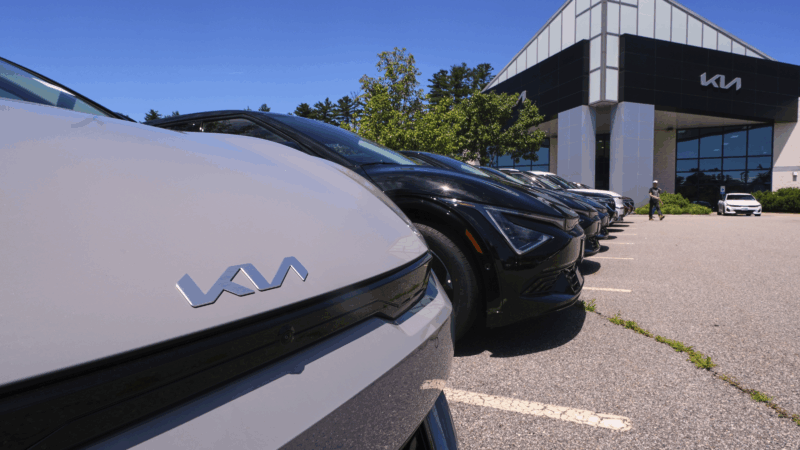
The Republican tax and spending package that passed in early July brought an early end to federal EV tax credits, which are worth up to $7,500 for new electric vehicles and up to $4,000 for used ones. The credits end on September 30. Specifically, buyers need to have a binding contract in place by that time — the vehicle itself can be delivered later.
Anybody who was thinking of getting an EV soon-ish suddenly had a four-figure incentive to get one fast.
The result was pretty predictable: Sales of EVs shot up.
“The past couple of weeks — even in the past several days — EV sales just exploded,” says Matt Jones, the senior director of industry relations at the auto marketplace TrueCar. “It’s been bonkers.”
Surveys have shown that many Americans were not even aware the EV tax credits existed. But some dealers and carmakers have been trying to raise awareness with ads focusing on the new deadline. For example, if you were shopping for a new Tesla this week, you would have seen a countdown clock on the website ticking away second by second to the last moment on Tuesday that you could place an order and still get the tax credit — if you met all the requirements.
The automotive services and tech company Cox Automotive forecasts that EV sales in the third quarter — July, August and September — are up 21.1% from the same period last year, and up 30% from this spring. J.D. Power, another auto data giant, reports that EV sales made up more than 11% of the U.S. market in August — hitting a level “only achieved once before in December of 2024.” At that time, buyers were also racing to lock in the tax credits before the Trump presidency began.
Used EVs are also selling quickly, and Cars Commerce, the company behind Cars.com, reports that vehicles under $25,000 — the ones that are potentially eligible for the used vehicle tax credit — are the fastest-selling EVs on the used market.
The bump in EV sales was big enough to boost the entire auto market. According to the auto website Edmunds, this quarter will likely see the strongest Q3 new vehicle sales since before the coronavirus pandemic hit in 2020.
But there’s a flip side, of course.
“The end of the tax credit created a rush in September, but it could also trigger an EV hangover in the months ahead,” writes analyst Ivan Drury of Edmunds.
In other words: All those people who raced to buy an EV early? Well, now they won’t be buying one later this year. So the EVs that didn’t get snapped up before the deadline might have a harder time finding a buyer.
Like the rush, the hangover is expected to be temporary. Major automakers are still investing in EVs (partly out of a desire to compete with China), and the appeal of a quiet, low-maintenance vehicle that never needs a fill-up is unaffected by tax policy.
J.D. Power reports that more than half of new-vehicle shoppers say they’re very likely or somewhat likely to consider buying an EV in the next year, and that number has stayed fairly consistent.
But without tax credits, EVs may be less appealing to cost-conscious shoppers.
The research firm Rhodium Group has estimated that the early end to the tax credits will reduce EV sales by 16 to 38% compared to how sales might have grown — and that’s on top of other policy changes, like major changes to emissions rules, that are also expected to slow EV sales.
So higher EV sales are probably still coming, but more slowly than expected. How much slower, exactly, no one knows.
Automakers will be waiting to see what “natural demand” for their electric offerings actually looks like without the incentive of a big tax break.
And car shoppers, for their part, will be waiting to see whether automakers can manage to cut prices and keep vehicles competitively priced despite increased pressure from tariffs — and without the largesse of the federal government.

Pentagon tightens controls over Stars and Stripes after calling it “woke”
The new rules for the independent military newspaper are the Defense Department's latest effort to put extraordinary restrictions on journalists covering the agency.

‘War of the Worlds’ remake sinks to the bottom at this year’s Razzie Awards
The surveillance industry version of HG Wells' 1898 classic sci-fi novel stars Ice Cube, and won accolades for worst picture, actor, director and more.

Russian strike on Kyiv region kills 4 and wounds 15, with peace talks stalled
The strikes comes after the United States paused ceasefire talks between Russia and Ukraine due to the war with Iran.
As the risk of measles grows, why are parents so divided on vaccines?
In South Carolina, some parents embrace vaccines, others opt out. Why do people make such different choices? A mix of politics, distrust and misinformation is pushing neighbors apart.
Brazil’s ex-President Bolsonaro is in intensive care with pneumonia, hospital says
One of Bolsonaro's doctor's described the former Brazilian president's medical condition as "serious."

Opinion: An ancient, sophisticated palate
Researchers looking at foodcrusts on the pottery shards of ancient humans say there's evidence of a wide variety of ingredients, indicating that they may have been experimenting with "recipes."
