
European countries are set for Iran talks, but expectations for a breakthrough are low

Germany, France and the United Kingdom will hold talks with Iran in Istanbul Friday, just days after the three European nations warned they would reimpose stiff sanctions on Tehran if it failed to show serious progress on curbing its nuclear activities.
The pressure by the Europeans is part of an effort to revive nascent nuclear talks between the United States and Iran. The two countries had met five times before Israel and the U.S. bombed Iranian nuclear sites in June.
“There has been great concern in Europe about how to get back to something that looks more like nuclear diplomacy with Iran and less direct kinetic conflict,” says Ian Lesser, a distinguished fellow with the German Marshall Fund of the United States, based in Brussels. “I think that’s very much what’s driving this.”
France, Germany and the U.K. — along with the U.S., Russia, China and the European Union — negotiated the Joint Comprehensive Plan of Action (JCPOA), an agreement reached with Iran in 2015 to rein in its nuclear program in exchange for sanctions relief.
President Trump withdrew the U.S. from the deal in 2018 during his first term, and reimposed sanctions. In January, he reached out to Iran saying the U.S. wanted to strike a new nuclear deal.
Since then, the other nations have taken a back seat, says Trita Parsi, executive vice president of the Quincy Institute for Responsible Statecraft, a a think tank in Washington, D.C.
“When it comes to the nuclear file right now, the European role is much, much less because the U.S. is essentially doing this on its own,” he says. “It’s not coordinating with the Europeans and the Europeans don’t have much leverage.”
Parsi, author of Losing an Enemy: Obama, Iran, and the Triumph of Diplomacy, says the area where the Europeans do have leverage is the ability to reinstate sanctions.
Under the JCPOA, any participant can begin reimposing the remaining United Nations sanctions if Iran is found to be noncompliant of the deal. They’re known as “snapback” sanctions.
France’s foreign minister, Jean-Noël Barrot, said France and its partners are justified in reimposing global embargoes on arms, banks and nuclear equipment that were lifted 10 years ago.
“Without a firm, tangible and verifiable commitment from Iran, we will do so by the end of August at the latest,” he said.
Iranian Foreign Minister Abbas Araghchi has reacted to the threat of a renewed sanctions saying the European countries have no legal standing to use JCPOA’s snapback measure.
The three European nations set to meet with Iran — known as the E3 — want Iran to resume working with the International Atomic Energy Agency (IAEA). Its inspectors left Iran when Tehran suspended cooperation after the U.S. targeted nuclear sites in June. The Europeans also want Iran to re-engage in concrete negotiations about limiting or erasing its uranium enrichment capabilities.
Suzanne DiMaggio of the Carnegie Endowment for International Peace says the threat of snapback may give the Europeans leverage, but reimposing international sanctions against Iran would dramatically heighten tensions and likely close down the prospect of future engagement.
“Instead, the E3 should prioritize creative approaches such as establishing a process to rebuild cooperation between Tehran and the IAEA in exchange for an extension on snapback,” she says. adding that if such an understanding is reached, it could begin to clear a path toward restarting U.S.-Iran talks.
DiMaggio, who has a long history of involvement with unofficial dealings with Iran and other countries to promote negotiations, says the challenges ahead are “immense because the level of distrust is so high.”
Reimposing U.N. sanctions would hit Iran’s economy — already hobbled by years of international sanctions — hard.
Lesser, with the German Marshall Fund, says Iran has its own checklist going into the talks. One is to preserve its right to enrich nuclear material, which Iranian leaders say is for peaceful, civilian purposes. Independent experts said Iran had developed enough material to build several nuclear weapons, before the Israeli and U.S. bombardments.
“The second concern will be to, somehow through nuclear diplomacy … get some sort of security guarantees that would ensure them against further strikes,” Lesser says.
On Thursday, Iranian Deputy Foreign Minister Kazem Gharibabadi said Iran was ready to engage in talks on its nuclear program with the U.S., but only if Washington took meaningful steps to rebuild trust.
Still, there may be splits within the Iranian government over what to do. Some moderate members may want to resume nuclear talks to prevent a snapback of sanctions or another strike by the U.S. or Israel.
Hard-liners in Tehran, angered by the U.S. and Israeli bombing of Iran’s nuclear sites, may vote to push ahead with building a bomb.
Analysts say it’s unlikely there will be an ironclad agreement coming out of Friday’s talks, but keeping the diplomatic door open is a positive step.
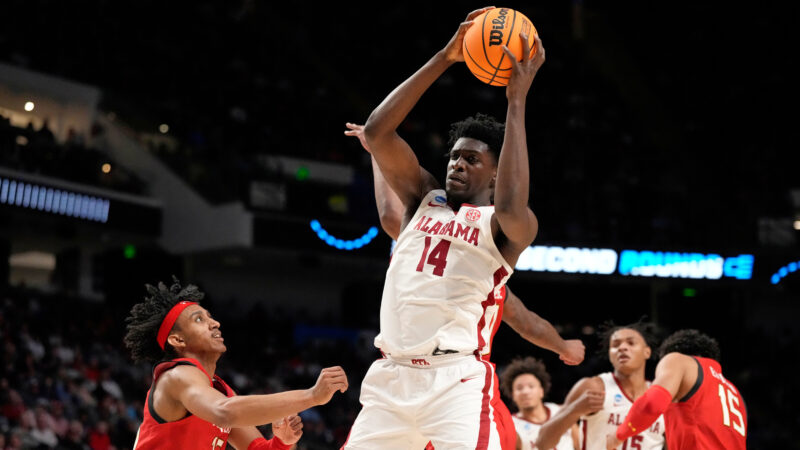
Judge rules 7-foot center Charles Bediako is no longer eligible to play for Alabama
Bediako was playing under a temporary restraining order that allowed the former NBA G League player to join Alabama in the middle of the season despite questions regarding his collegiate eligibility.

American Ben Ogden wins silver, breaking 50 year medal drought for U.S. men’s cross-country skiing
Ben Ogden of Vermont skied powerfully, finishing just behind Johannes Hoesflot Klaebo of Norway. It was the first Olympic medal for a U.S. men's cross-country skier since 1976.

An ape, a tea party — and the ability to imagine
The ability to imagine — to play pretend — has long been thought to be unique to humans. A new study suggests one of our closest living relatives can do it too.
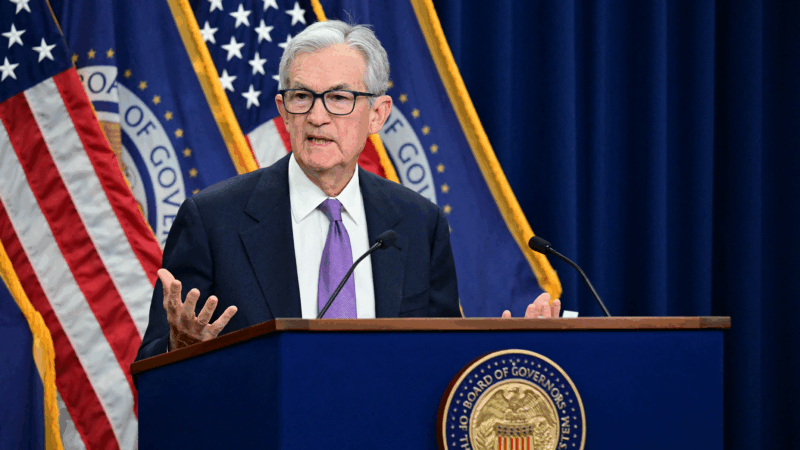
How much power does the Fed chair really have?
On paper, the Fed chair is just one vote among many. In practice, the job carries far more influence. We analyze what gives the Fed chair power.
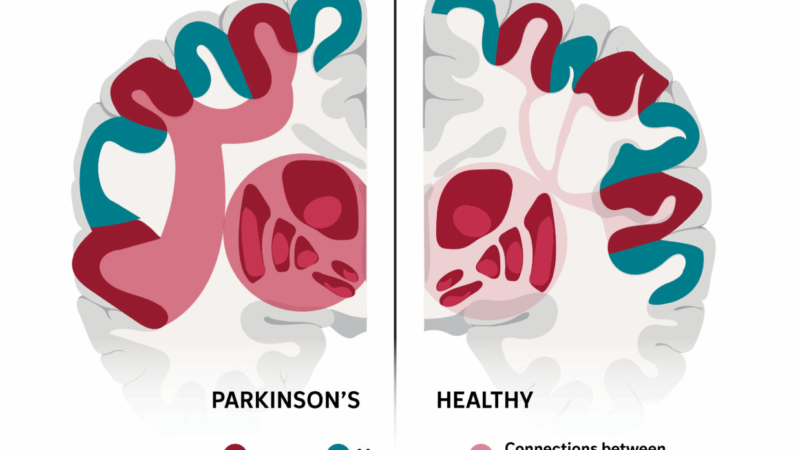
This complex brain network may explain many of Parkinson’s stranger symptoms
Parkinson's disease appears to disrupt a brain network involved in everything from movement to memory.
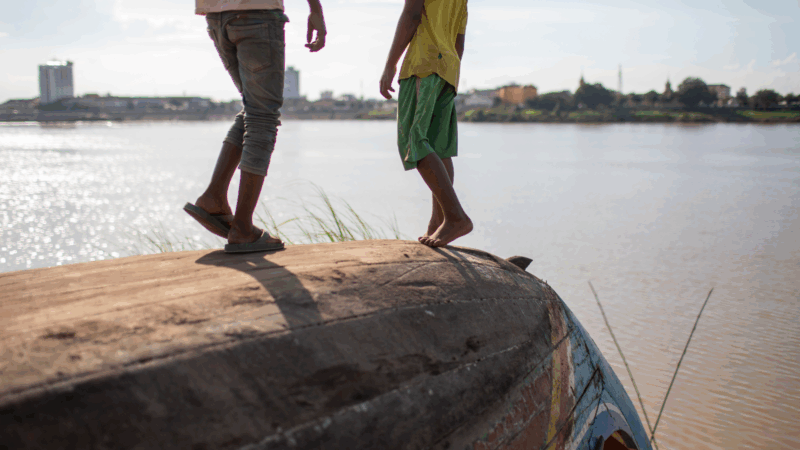
‘Please inform your friends’: The quest to make weather warnings universal
People in poor countries often get little or no warning about floods, storms and other deadly weather. Local efforts are changing that, and saving lives.
