
EU leaders agree on $105bn Ukraine loan, but without relying on frozen Russian assets

European Union leaders agreed on Friday to provide a massive interest-free loan to Ukraine to meet its military and economic needs for the next two years, but they failed to bridge differences with Belgium that would have allowed them to use frozen Russian assets to raise the funds.
After almost four years of war, the International Monetary Fund estimates that Ukraine will need 137 billion euros ($161 billion) in 2026 and 2027. The government in Kyiv is on the verge of bankruptcy, and desperately needs the money by spring.
The plan had been to use some of the 210 billion euros ($246 billion) worth of Russian assets that are frozen in Europe, mostly in Belgium.
The leaders worked deep into Thursday night to reassure Belgium that they would protect it from any Russian retaliation if it backed the “reparations loan” plan but in the end the leaders did not use that option, but as the talks bogged down the leaders eventually opted to borrow the money on capital markets.
“We have a deal. Decision to provide 90 billion euros ($106 billion) of support to Ukraine for 2026-27 approved. We committed, we delivered,” EU Council President António Costa said in a post on social media.
Not all countries agreed to the loan package. Hungary, Slovakia and the Czech Republic refuse to support Ukraine and opposed it, but a deal was reached in which they did not block the package and were promised protection from any financial fallout.
Hungarian Prime Minister Viktor Orbán, who is Russian President Vladimir Putin’s closest ally in Europea and describes himself as a peacemaker, said “I would not like a European Union in war.”
“To give money means war.” said Orbán. He also described the rejected plan to use the frozen Russian assets as a “dead end.”
French President Emmanuel Macron said the deal was a major advance, saying that borrowing on capital markets “was the most realistic and practical way” to fund Ukraine and its war efforts.
German Chancellor Friedrich Merz also hailed the decision.
“The financial package for Ukraine has been finalized,” Merz said in a statement, noting that “Ukraine is granted a zero-interest loan.”
“These funds are sufficient to cover the military and budgetary needs of Ukraine for the two years to come,” Merz added. He said the frozen assets will remain blocked until Russia has paid war reparations to Ukraine. Ukrainian President Volodymyr Zelenskyy has said that would cost over 600 billion euros ($700 billion).
“If Russia does not pay reparations we will — in full accordance with international law — make use of Russian immobilized assets for paying back the loan,” Merz said.
Zelenskyy, who traveled to Brussels for a summit that took place during fiery protests by farmers angry about a proposed trade deal with five South American countries, had appealed for a quick decision to keep Ukraine afloat in the new year.
Polish Prime Minister Donald Tusk warned early on Thursday that it would be a case of sending “either money today or blood tomorrow” to help Ukraine.
The plan to use frozen Russian assets got bogged down as Belgian Prime Minister Bart De Wever rejected the scheme as legally risky, and warned that it could harm the business of Euroclear, the Brussels-based financial clearing house where 193 billion euros ($226 billion) in frozen assets are held.
Belgium was rattled last Friday when Russia’s Central Bank launched a lawsuit against Euroclear to prevent any loan being provided to Ukraine using its money, which is frozen under EU sanctions slapped on Moscow after its launched its full-scale war in 2022.
“For me, the reparations loan was not a good idea,” De Wever told reporters after the meeting. “When we explained the text again, there were so many questions that I said, I told you so, I told you so. There are a lot of loose ends. And if you start pulling at the loose ends in the strings, the thing collapses.”
“We avoided stepping into a precedent that risks undermining legal certainty worldwide. We safeguarded the principle that Europe respects law, even when it is hard, even when we are under pressure,” he said, adding that the EU “delivered a strong political signal. Europe stands behind Ukraine.”
Still, Costa said that the EU “reserves its right to make use of the immobilized assets to repay this loan.”
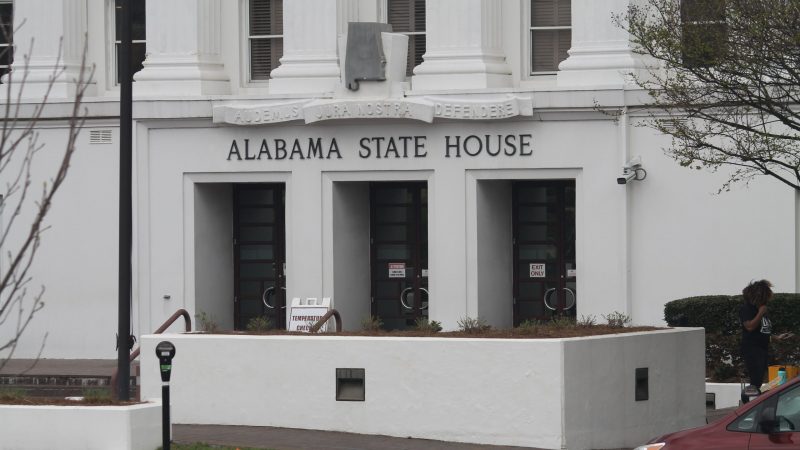
Bill making the Public Service Commission an appointed board is dead for the session
Usually when discussing legislative action, the focus is on what's moving forward. But plenty of bills in a legislature stall or even die. Leaders in the Alabama legislature say a bill involving the Public Service Commission is dead for the session. We get details on that from Todd Stacy, host of Capitol Journal on Alabama Public Television.
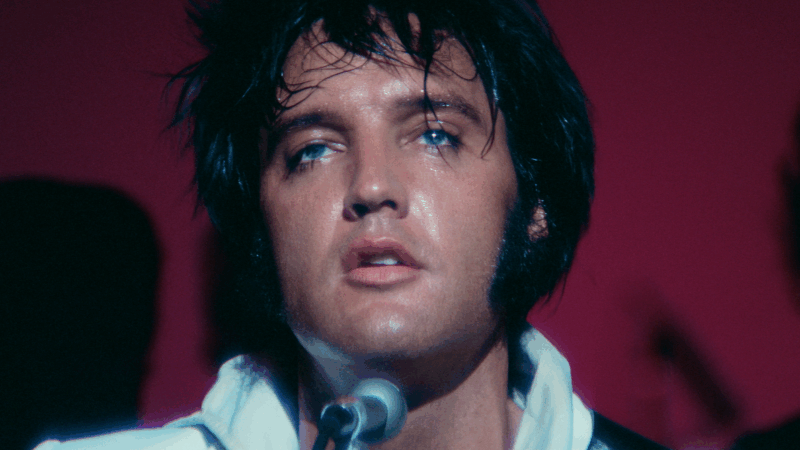
Baz Luhrmann will make you fall in love with Elvis Presley
The new movie is made up of footage originally shot in the early 1970s, which Luhrmann found in storage in a Kansas salt mine.
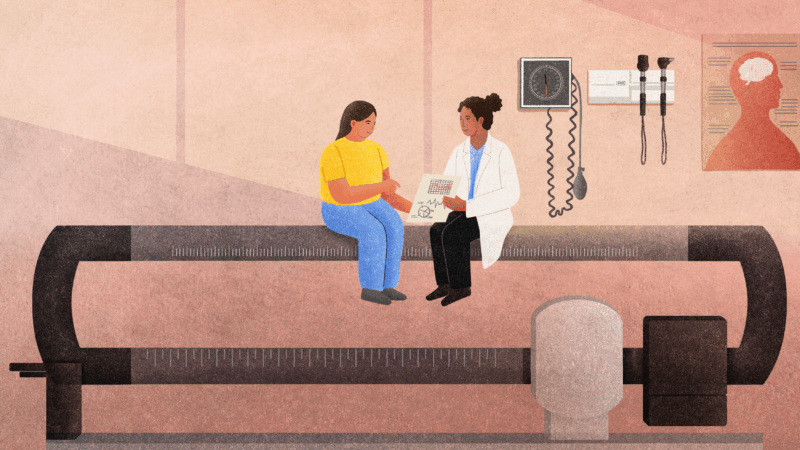
My doctor keeps focusing on my weight. What other health metrics matter more?
Our Real Talk with a Doc columnist explains how to push back if your doctor's obsessed with weight loss. And what other health metrics matter more instead.

Forget the State of the Union. What’s the state of your quiz score?
What's the state of your union, quiz-wise? Find out!

A team of midlife cheerleaders in Ukraine refuses to let war defeat them
Ukrainian women in their 50s and 60s say they've embraced cheerleading as a way to cope with the extreme stress and anxiety of four years of Russia's full-scale invasion.

As the U.S. celebrates its 250th birthday, many Latinos question whether they belong
Many U.S.-born Latinos feel afraid and anxious amid the political rhetoric. Still, others wouldn't miss celebrating their country
