
Egypt and Iran object to playing in a Seattle ‘Pride’ match in next year’s World Cup
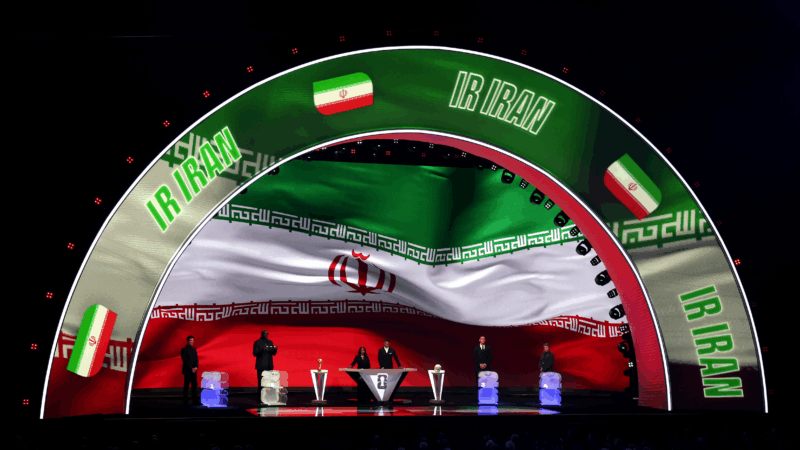
Officials in Egypt and Iran are protesting the scheduling of a FIFA World Cup match between the two teams next June in Seattle, where local organizers had planned Pride festivities around the match.
Both Middle Eastern countries are culturally conservative. In Iran, same-sex sexual activity can be punishable by death, and other expressions of gender and sexuality may be punished by imprisonment or flogging. In Egypt, morality laws allow for the de facto criminalization of same-sex relationships, and human rights groups report arrests and police harassment of suspected gay people.
In a statement released Tuesday, the Egyptian Football Association said it “categorically rejects the holding of any activities related to supporting homosexuality” during the June 26 match. The association has sent a formal letter to FIFA asking them to take action to “avoid including activities that could provoke cultural and religious sensitivities” among fans at the Seattle game.
Officials in Iran also objected to the Iranian national team’s participation in the match. “We make no concessions to anyone when it comes to our beliefs,” said Iranian sports minister Ahmad Donyamali in remarks on state TV Wednesday, adding that Iran had also complained directly to FIFA.
In a statement, the local organizing group SeattleFWC26 said it would be “moving forward as planned with our community programming outside the stadium during Pride weekend and throughout the tournament.”
“The Pacific Northwest is home to one of the nation’s largest Iranian-American communities, a thriving Egyptian diaspora, and rich communities representing all nations we’re hosting in Seattle,” spokesperson Hana Tadesse told NPR. “We’re committed to ensuring all residents and visitors experience the warmth, respect, and dignity that defines our region.”
FIFA did not immediately respond to a request for comment from NPR.
While FIFA, the international governing body for soccer, organizes the World Cup games themselves, local groups in each host city are responsible for organizing events outside of the games and serve as liaisons with local officials and business owners. More than 750,000 visitors are expected for the World Cup in Seattle alone, organizers say.
In Seattle, organizers have made values like accessibility and inclusion pillars of the city’s World Cup festivities. The match coincides with the city’s annual Pride festival, which is organized independently of the World Cup. That weekend, a Pride parade will march from downtown to the large public festival at the Seattle Center.
Hosting a match on Pride weekend, the SeattleFWC26 website says, is “a rare opportunity to make a lasting impact.” Another match on June 19 between the U.S. and Australia will include Juneteenth festivities.
“With matches on Juneteenth and pride, we get to show the world that in Seattle, everyone is welcome,” mayor-elect Katie Wilson wrote on X after the teams were selected.
Plans for the 2026 World Cup have been in progress for years, and games, like the June 26 match in Seattle, have long been on the schedule. But organizers did not know which teams would play in the game until this past Saturday, after FIFA held a draw to determine which teams would play in each group.
The June 26 match in Seattle was assigned to Iran and Egypt, while groupmates New Zealand and Belgium were set to play in nearby Vancouver.
Both Belgium and New Zealand are among the dozens of countries worldwide in which same-sex marriage is legal. FIFA did not respond to an inquiry about whether the two games could be switched.
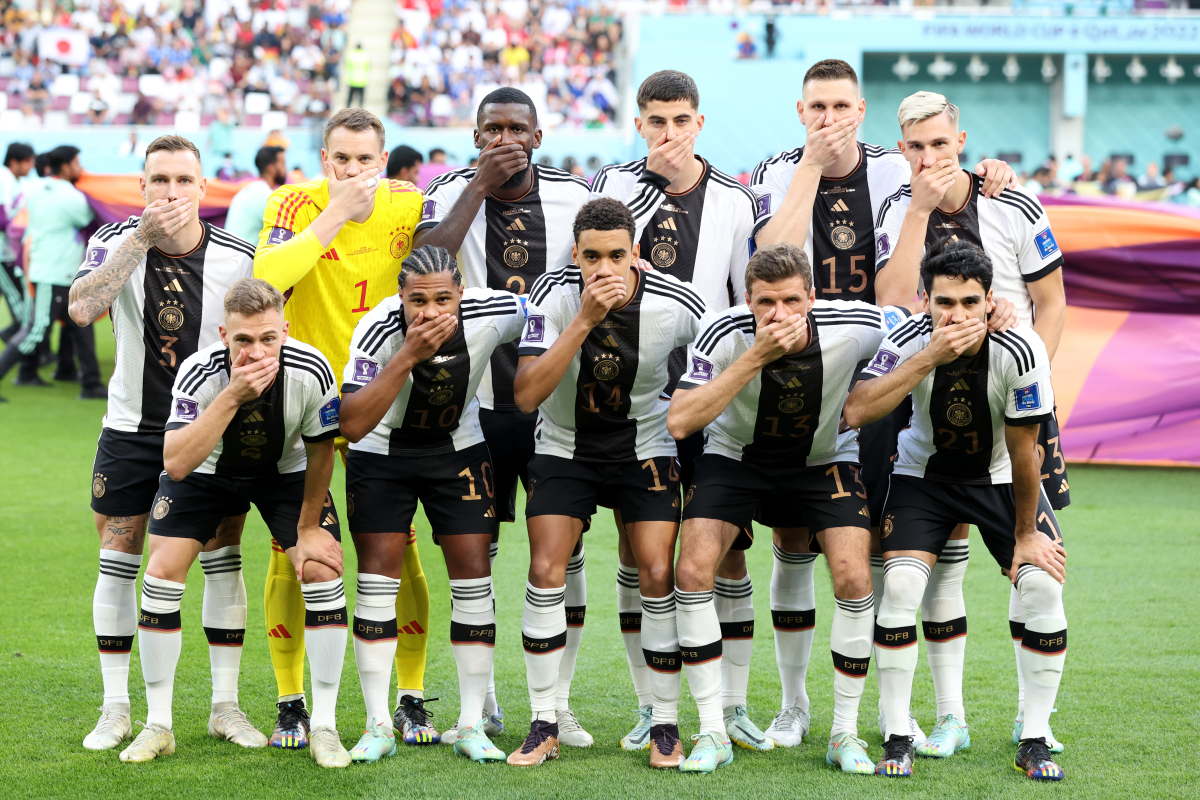
At the 2022 World Cup in Qatar, where homosexuality is illegal, cultural clashes between the host country and visiting teams and fans were a major story. At times, FIFA sided with Qatar: Seven European teams, including Belgium, had planned for their captains to wear rainbow armbands during the Cup but ultimately backtracked, saying FIFA had threatened them with yellow cards. Some fans and a journalist — the late soccer writer Grant Wahl — reported that they were asked to remove rainbow clothing before entering stadiums. FIFA was slow to respond.
Deadline looms as Anthropic rejects Pentagon demands it remove AI safeguards
The Defense Department has been feuding with Anthropic over military uses of its artificial intelligence tools. At stake are hundreds of millions of dollars in contracts and access to some of the most advanced AI on the planet.

Hillary Clinton calls House Oversight questioning ‘repetitive’ in 6 hour deposition
In more than seven hours behind closed doors, former Secretary of State Hillary Clinton answered questions from the House Oversight Committee as it investigates Jeffrey Epstein.
Chicagoans pay respects to Jesse Jackson as cross-country memorial services begin
Memorial services for the Rev. Jesse Jackson Sr. to honor his long civil rights legacy begin in Chicago. Events will also take place in Washington, D.C., and South Carolina, where he was born and began his activism.
In reversal, Warner Bros. jilts Netflix for Paramount
Warner Bros. says Paramount's sweetened bid to buy the whole company is "superior" to an $83 billion deal it struck with Netflix for just its streaming services, studios, and intellectual property.
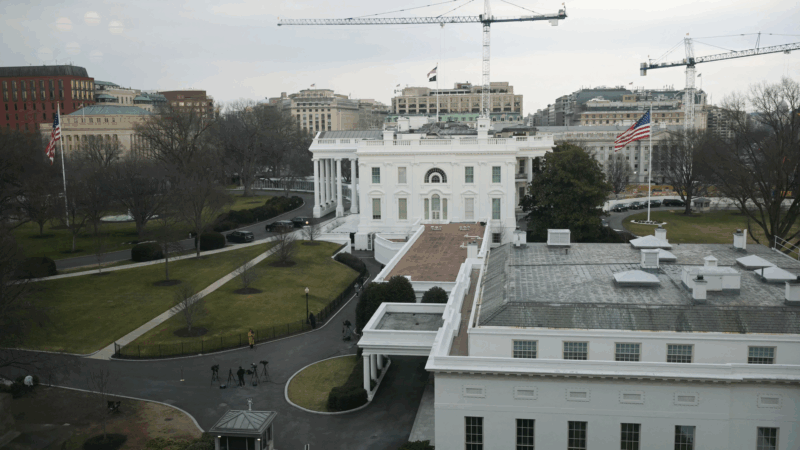
Trump’s ballroom project can continue for now, court says
A US District Judge denied a preservation group's effort to put a pause on construction
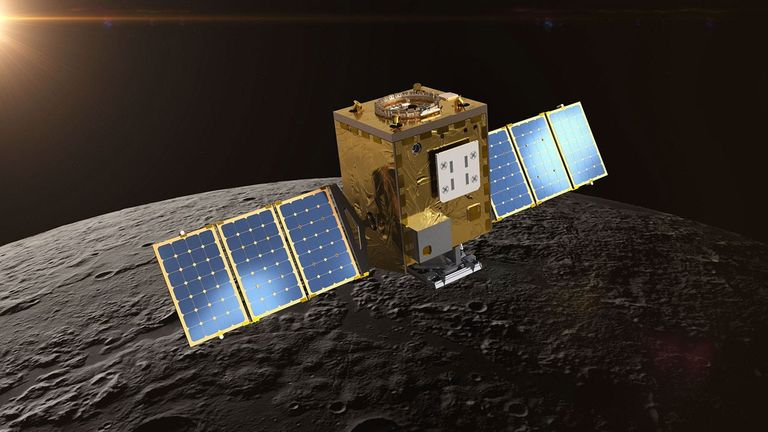
NASA lost a lunar spacecraft one day after launch. A new report details what went wrong
Why did a $72 million mission to study water on the moon fail so soon after launch? A new NASA report has the answer.
