
Drowning prevention program comes to a halt at the CDC
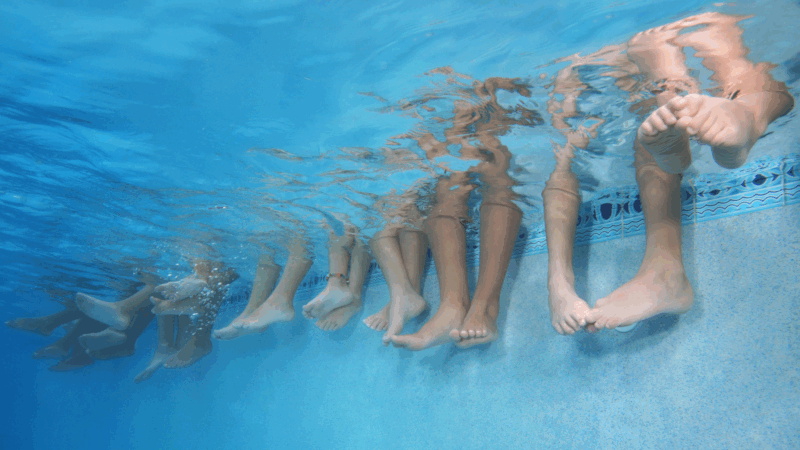
For the past few years, a small team of health scientists at the Centers for Disease Control and Prevention had been tasked with answering basic statistical questions like: Who is drowning? Where is it happening — in lakes, rivers, swimming pools? And what works to prevent it?
The team was starting to answer some of those questions when it was put on administrative leave in April, according to two former CDC officials familiar with the program. They requested that NPR not use their names because they fear retaliation from the Trump administration for speaking to the media.
Now, those results may not come to light, since the Trump administration terminated the CDC’s drowning prevention experts this month and has proposed eliminating the program in its fiscal year 2026 budget request.
“If this program saved one life, it would be far more than the total cost of the program,” says Jim Mercy, former director of the Division of Violence Prevention at the CDC, who retired in 2023. “The irony is that these and other programs [at the CDC] were cut under the motivation of creating greater efficiency.”
Drowning kills more than 4,000 people each year in the United States. It’s the leading cause of death among children ages 1 to 4 and is one of the top causes of death among children ages 5 to 14. A single drowning costs millions of dollars in terms of medical costs and societal loss, Mercy says.
The CDC’s drowning prevention program was created in response to a spike in drowning deaths during the COVID-19 pandemic. “After the pandemic, quite a few organizations came together to drive some possibilities of federally focused work on drowning prevention,” says Lindsay Mondick, director of aquatic strategy and quality practices for the YMCA nationally, and a longtime water safety advocate. “CDC was a natural fit — not only do they do data science, but they also look at intervention strategies and programs.”
Drowning is largely preventable and costs the U.S. economy over $50 billion a year. The CDC’s efforts had been focused in two areas: determining the risk factors around drowning and what works to prevent drownings, to reduce the likelihood that children die from drowning.
The drowning prevention team worked with partners like the YMCA, the Red Cross and the National Center for Fatality Review and Prevention to help collect and evaluate data, as well as teach children to swim.
Work with YMCA
The YMCA has a water safety approach it has been using for around a decade. “It’s focused on developing skills for swimming and water competency — skills that keep people safe if they were to have accidents or find themselves in an unpredictable situation,” Mondick says.
Over the past few years, the CDC helped it collect data to figure out what was working. “One of the things we were most excited about with this funding is the YMCA was able to build, I think, what is probably the largest drowning data collection hub,” she says.
As part of the process, the CDC provided funding for free swim lessons for thousands of kids at high risk of drowning. This included children from some minority groups and those on the autism spectrum, who are 160 times more likely than their peers to die from drowning, according to a study from Columbia University.
“For a kid with special sensory needs, not only are their senses being challenged because of just water, but it’s noisy and it’s hot and it’s all the things,” says Jennifer Pewitt, who oversees swim programs for the YMCA in the Dallas metro area.
At one facility, swim instructors received specialized training on connecting with kids on the autism spectrum. When parents heard they were running this program, they came from all over Dallas County. “There is a huge community need,” Pewitt says. “There have been some really awesome stories that have come out of it. And there’s been some misses.”
That’s the learning process, Pewitt says. The whole time, they collected data with guidance from the CDC. “The Y doesn’t employ epidemiologists — that is not a thing,” she says.
The goal was to figure out how to best teach kids at high risk of drowning to swim and reduce their risks around water, and to share those lessons widely. “That’s where the magic happens — if what worked with these kids can be replicated,” Pewitt says. “That was the whole point of it.”
Potential impact
The CDC program employed three health scientists and had a $2 million annual budget, most of which was disbursed to partner organizations.
“It’s a very small program, but very important,” Mercy, formerly with the CDC, says, adding that the program had strong bipartisan support when it started receiving congressional funding a few years ago.
Especially in small towns, cutting off the CDC funding would be a big loss, says Pewitt. “It’s really sad that there isn’t going to be those opportunities for those small Y’s to serve the kids in their communities.”
The Department of Health and Human Services did not respond to a request for comment.

Bill making the Public Service Commission an appointed board is dead for the session
Usually when discussing legislative action, the focus is on what's moving forward. But plenty of bills in a legislature stall or even die. Leaders in the Alabama legislature say a bill involving the Public Service Commission is dead for the session. We get details on that from Todd Stacy, host of Capitol Journal on Alabama Public Television.
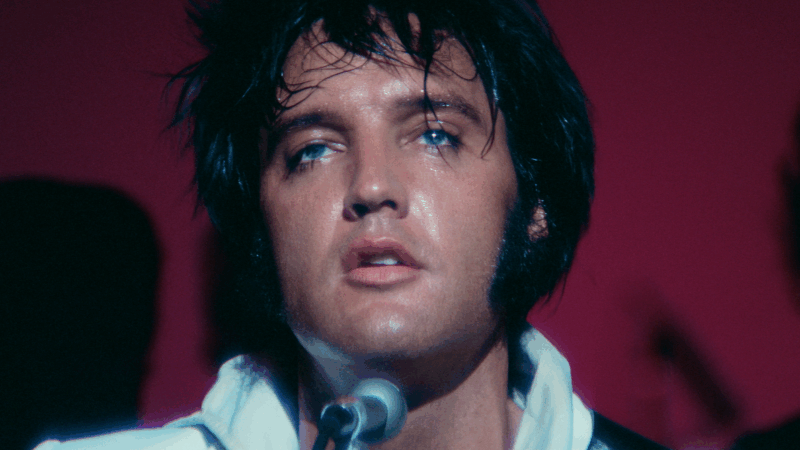
Baz Luhrmann will make you fall in love with Elvis Presley
The new movie is made up of footage originally shot in the early 1970s, which Luhrmann found in storage in a Kansas salt mine.
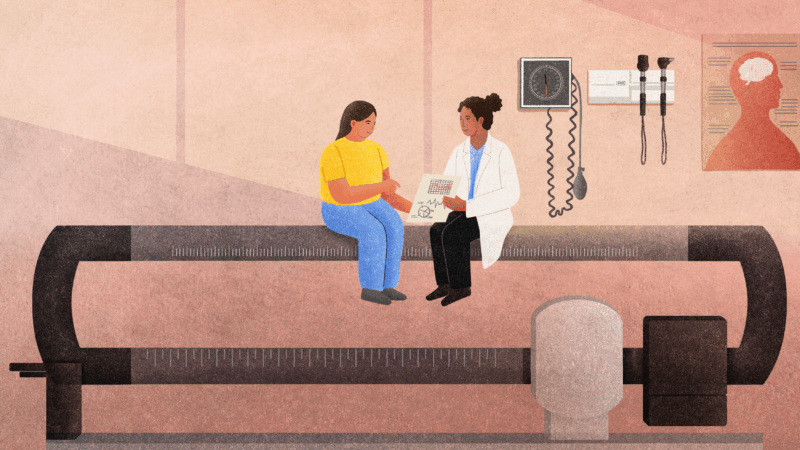
My doctor keeps focusing on my weight. What other health metrics matter more?
Our Real Talk with a Doc columnist explains how to push back if your doctor's obsessed with weight loss. And what other health metrics matter more instead.

Forget the State of the Union. What’s the state of your quiz score?
What's the state of your union, quiz-wise? Find out!

A team of midlife cheerleaders in Ukraine refuses to let war defeat them
Ukrainian women in their 50s and 60s say they've embraced cheerleading as a way to cope with the extreme stress and anxiety of four years of Russia's full-scale invasion.
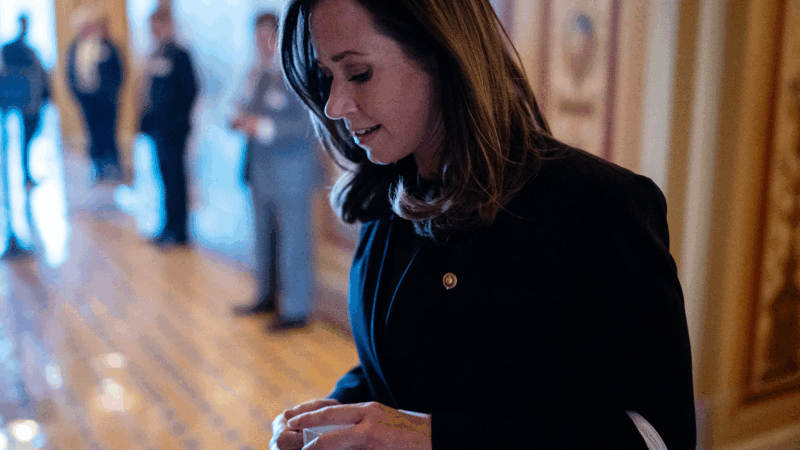
SNL mocked her as a ‘scary mom.’ In the Senate, Katie Britt is an emerging dealmaker
Sen. Katie Britt, Republican of Alabama, is a budding bipartisan dealmaker. Her latest assignment: helping negotiate changes to immigration enforcement tactics.
