
DHS: ICE officers in Minneapolis shoot Venezuelan man in the leg
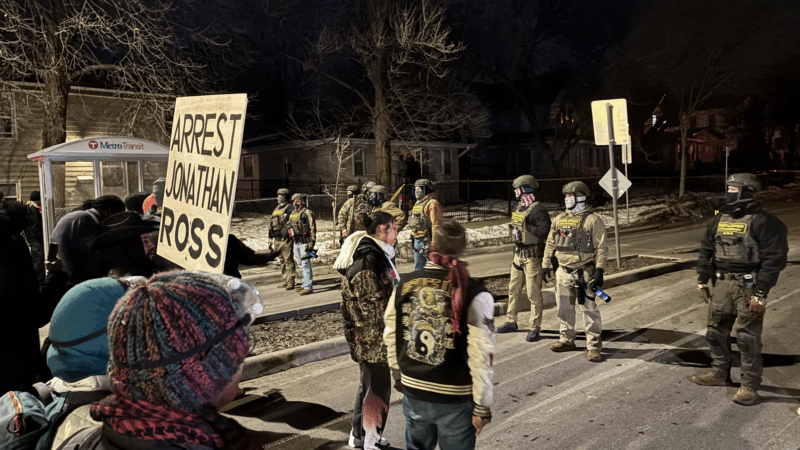
MINNEAPOLIS — An Immigration and Customs Enforcement agent shot an immigrant man in the leg on Wednesday evening after “being ambushed and attacked” by two other people and the immigrant they were trying to arrest, according to the Department of Homeland Security.
The shooting happened in North Minneapolis exactly a week after 37-year-old U.S. citizen Renee Macklin Good was killed by an ICE agent in the city.
In a statement posted on X, DHS said agents were conducting a targeted traffic stop when the man — a Venezuelan national — fled the scene in his vehicle before crashing into another car. DHS says the man fled on foot, but he was apprehended by immigration officers.
DHS says the man resisted arrest and “violently” assaulted the officer, before two other people “came out from a nearby apartment and also attacked the law enforcement officer with a snow shovel and broom handle.” The agent shot at the man they were initially trying to apprehend, and hit him in the leg. The man was transported to a hospital with a non-life threatening injury, according to the City of Minneapolis.
According to DHS, the incident started 10 minutes before a statewide address by Minnesota Gov. Tim Walz about the surge in immigration agents in his state. In his primetime message, Walz called on the Trump administration to “end this occupation” and encouraged residents who see immigration agents in their neighborhoods to “take out that phone and hit record” to create a database of ICE’s actions.
Minneapolis has been on edge since Good’s shooting. Protesters have taken to the streets, and there have been multiple clashes between federal agents and residents.
After Wednesday’s shooting, protesters arrived at the area where it happened to protest ICE’s actions. The immigration agents deployed irritants and flashbangs to disperse the crowds.
Karen, a Minneapolis nurse who asked NPR to only use her first name because she fears for her safety, said it was her first time at a protest against ICE.
“I’m a nurse and I’m afraid people are going to get hurt,” she said. “I’m here to keep my neighbors safe.”
Cameron, a demonstrator from Minneapolis who asked NPR to only use his first name, said the presence of federal immigration agents in his community has pushed his favorite restaurants to close down because employees are afraid “ICE is going to show up.”
“They have the city turned into a war zone just like they want it to be,” he said. “They’re here to scare people.”
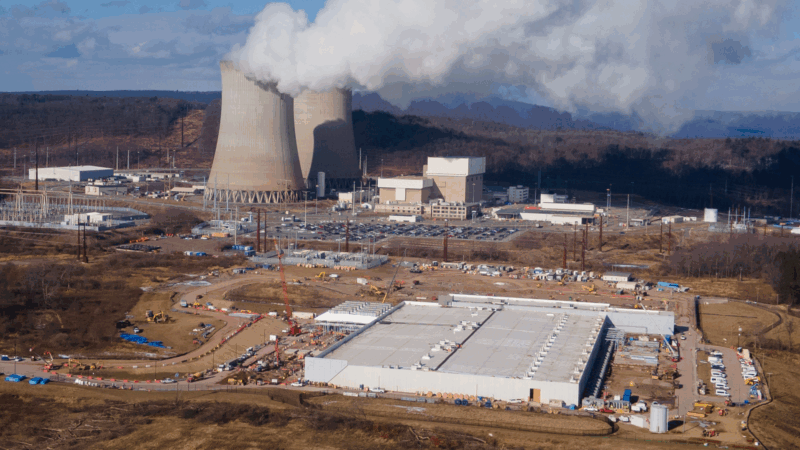
These major issues have brought together Democrats and Republicans in states
Across the country, Republicans and Democrats have found bipartisan agreement on regulating artificial intelligence and data centers. But it's not just big tech aligning the two parties.
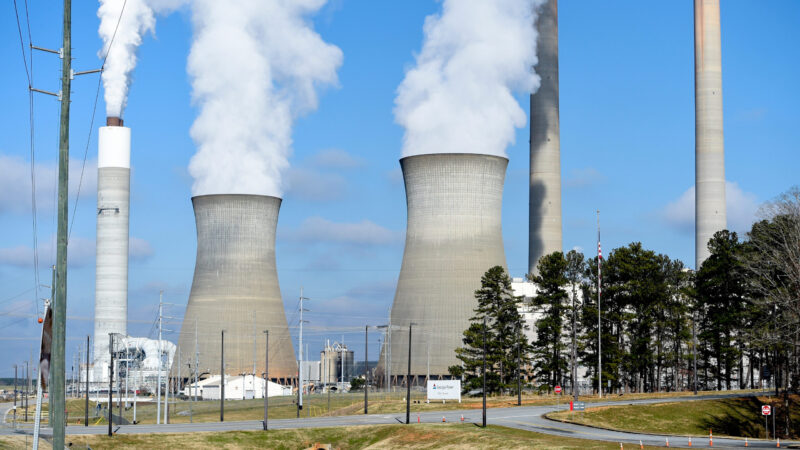
Feds announce $4.1 billion loan for electric power expansion in Alabama
Federal energy officials said the loan will save customers money as the companies undertake a huge expansion driven by demand from computer data centers.
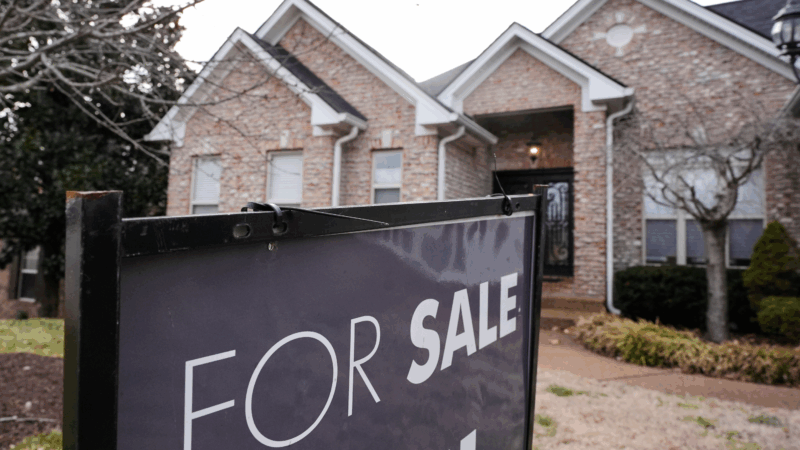
Mortgage rates fall below 6% for the first time in years
The average home loan rate has dropped below 6% for the first time since 2022. Will that help thaw the frozen housing market?

Baby Keem’s boulevard of broken dreams
Ca$ino, the rapper's second album for his cousin Kendrick Lamar's label, is whiplash embodied, a mirror for the extreme highs and lows of his Sin City hometown.

Pentagon shifts toward maintaining ties to Scouting
Months after NPR reported on the Pentagon's efforts to sever ties with Scouting America, efforts to maintain the partnership have new momentum
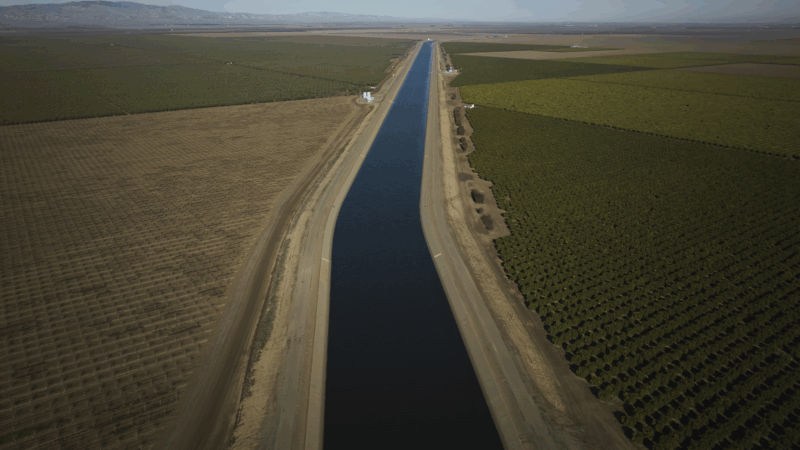
Why farmers in California are backing a giant solar farm
Many farmers have had to fallow land as a state law comes into effect limiting their access to water. There's now a push to develop some of that land… into solar farms.
