
Decades later, the Microsoft antitrust case casts a shadow over the Google trial
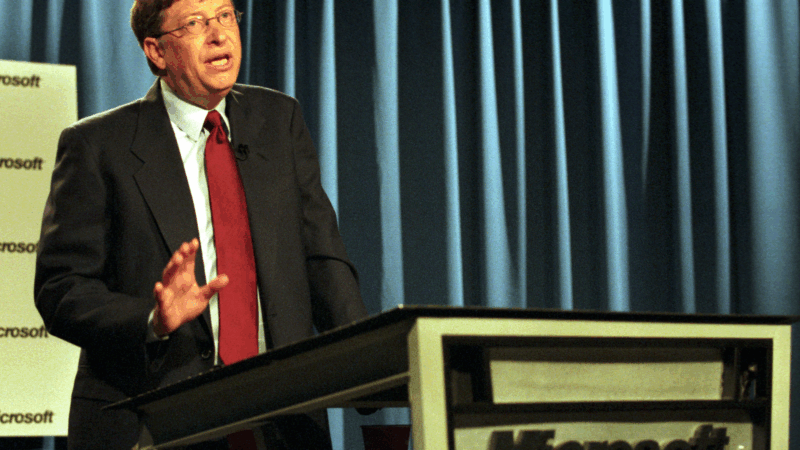
A legendary legal case looms large over the ongoing, landmark antitrust case involving Google and the U.S. government.
A federal judge has ruled that the tech giant operated as a monopoly because it illegally stifled competition in the search engine market. For the next few weeks, the judge is hearing arguments from the Justice Department and Google to decide the penalties to levy against the company.
As both sides present arguments over what remedies are appropriate, the name of another tech titan keeps coming up: Microsoft.
But why?
A quarter-century ago, a federal judge decided a similar case in U.S. v. Microsoft, in which the federal government accused the world’s leading software company at the time of trying to monopolize the personal computer market.
That case established precedent for the current Google case and helped shape current antitrust law especially as it relates to other tech companies, legal experts told NPR.
The case is almost 30 years old and yet, “It’s the key to all this. Both sides are going to try to pull parts of it to make their case,” said Sam Weinstein, a law professor at Yeshiva University in New York.
Here’s a look back at that storied case and how it could shed light on how the Google case could end.

What happened in the Microsoft case?
The 1998 antitrust case brought against Microsoft by the U.S. Department of Justice, 20 states attorneys general and the District of Columbia finally came after years of investigations by federal agencies.
Decades later, Microsoft is still considered “the most important antitrust case for digital platforms in the last 30 years,” said Rebecca Haw Allensworth, a professor of antitrust law at Vanderbilt University.
The case centered on whether Microsoft was abusing its position as a monopoly by packaging its Internet Explorer browser with its Windows operating system. The DOJ claimed that companies like Netscape, the maker of a competing web browser, were aggressively being boxed out by Microsoft, widely considered the dominant tech player at the time.
Microsoft “made their own browser,” Allensworth said. “And they made it really hard for Netscape to distribute at scale.”

In fact, Microsoft was considered an outright “bully” then, Weinstein said. It executed aggressive tactics to ensure it established exclusive deals with other companies to keep Internet Explorer on certain devices and to keep other browsers off of desktops, he said.
Weinstein noted that famously, the DOJ’s investigation revealed that a Microsoft executive told Intel, another tech giant, that his organization would “cut off Netscape’s air supply” and that in “giving away free browsers” Microsoft would choke off Netscape’s sources of revenue. In court testimony, Paul Maritz, the former Microsoft executive accused of making that statement, denied saying this.
Eventually, U.S. District Judge Thomas Penfield Jackson ordered Microsoft to be split in two – an aggressive penalty that would eventually be overturned on appeal in 2001.
“By then, a new administration had come in and the priorities of the DOJ had changed, and they settled the case without a breakup,” Allensworth said.
The DOJ and Microsoft agreed to drop plans for a breakup of the tech giant and in return Microsoft had to establish an internal antitrust technical committee and compliance program. The ruling that Microsoft was a monopoly remained unchanged.

What was the broader impact of the case?
Though a breakup was averted, the Microsoft case established a legal precedent for how the U.S. government could pursue monopolistic tech companies, Weinstein said.
The DOJ modeled its search engine antitrust complaint against Google, as well as proposed remedies, on the Microsoft case.
By doing that “they’re essentially saying if we can make our case look like Microsoft, we can win too. And I think that worked on the liability phase,” Weinstein said.
In its original complaint, the government claimed that Google was following the Microsoft playbook in its monopolistic practices. Google continues to deny it is a monopoly and says it intends to appeal U.S. District Judge Amit Mehta’s decision on liability.
In the first days of testimony in the remedy trial being heard at the D.C. federal court, Microsoft comes up frequently. In court filings the government points to Microsoft as a roadmap for how penalties should be levied against Google.
Those penalties include a proposed divestiture of its Chrome web browser, for Google to stop making third-party payments to phone makers like Apple that ensure its default search position and to possibly sell Google’s Android smartphone operating system.
Chrome is the world’s leading web browser and Android is used by more smartphone users than any other operating system.
Chrome comes with the Google search engine set as the default, and Android is bundled with Google apps, including Chrome.
Google says in court filings that the government’s penalty proposals go beyond the conduct Judge Mehta found was monopolistic and are contrary to law established by the Microsoft case.
But there are different schools of thought on how impactful Microsoft’s penalties actually were.
The eventual settlement between the DOJ and Microsoft was “effective in opening the door to new competitors like Apple and Google,” Weinstein said. Without the Microsoft case, some could argue companies as big and successful as Apple or Google could never emerge, he said. The other view is that Microsoft got off light, he said.
And knowing all of this history still makes it hard to predict what might happen in the Google case.
“It’s hard to know what’s gonna happen here,” Weinstein said.
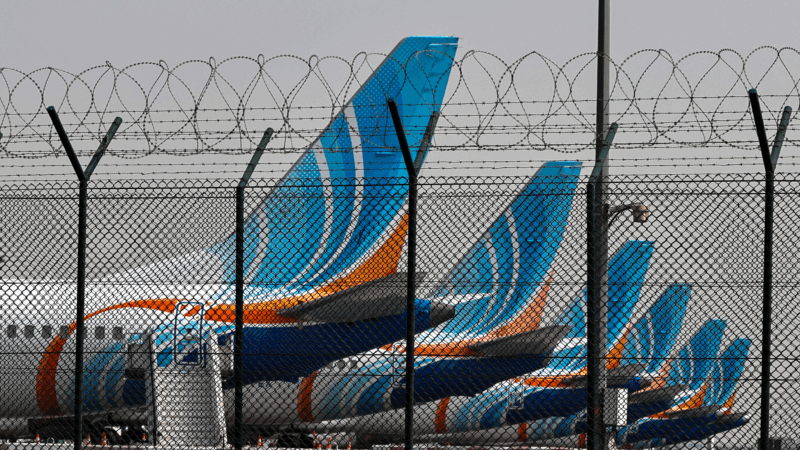
Some Middle East flights resume, but thousands of travelers are still stranded by war
Limited flights out of the Middle East resumed on Monday. But hundreds of thousands of travelers are still stranded in the region after attacks on Iran by the U.S. and Israel.

‘Hamnet’ star Jessie Buckley looks for the ‘shadowy bits’ of her characters
Buckley has been nominated for a best actress Oscar for her portrayal of William Shakespeare's wife in Hamnet. The film "brought me into this next chapter of my life as a mother," Buckley says.
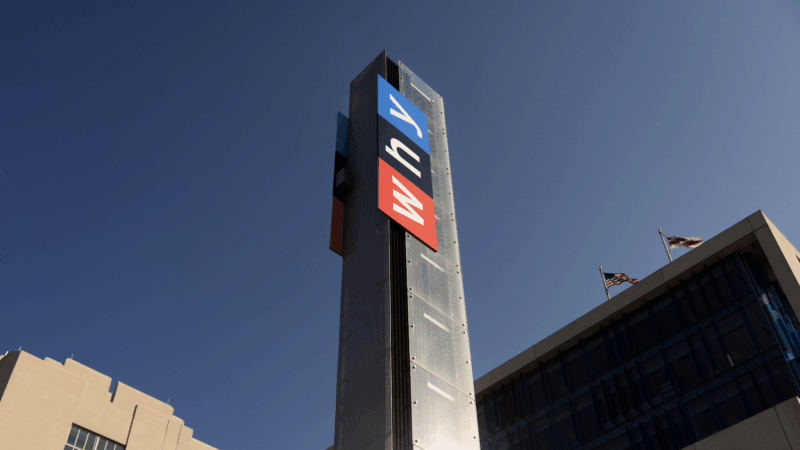
How, who, and why: NPR flips its famous letters to defend the right to be curious
NPR is standing up for the public's right to ask hard questions in a national campaign dubbed "For your right to be curious." At NPR's headquarters, on billboards in New York City, Chicago, and Washington, D.C., and across social media, NPR's three iconic letters transform into "how," "who," and "why" — a bold declaration of its commitment to fight for Americans' right to ask questions both big and small.
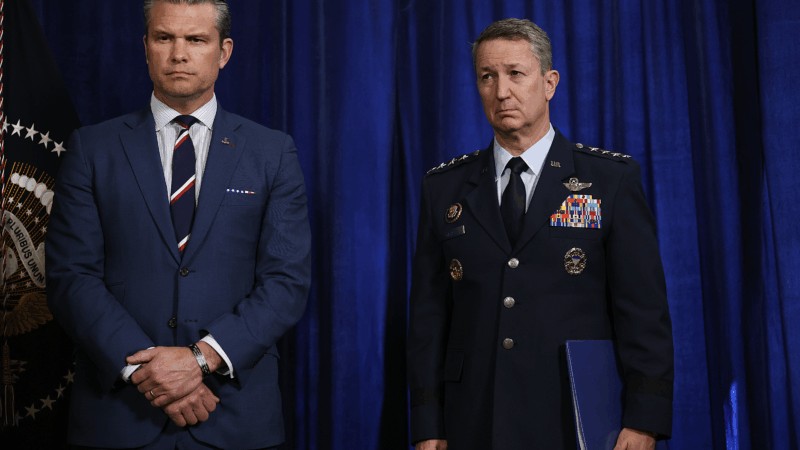
Hegseth: ‘We didn’t start this war but under President Trump we’re finishing it’
The remarks are the first to reporters since the U.S.-Israeli military operations against Iran began Saturday despite weeks of talks designed to stave off a conflict.
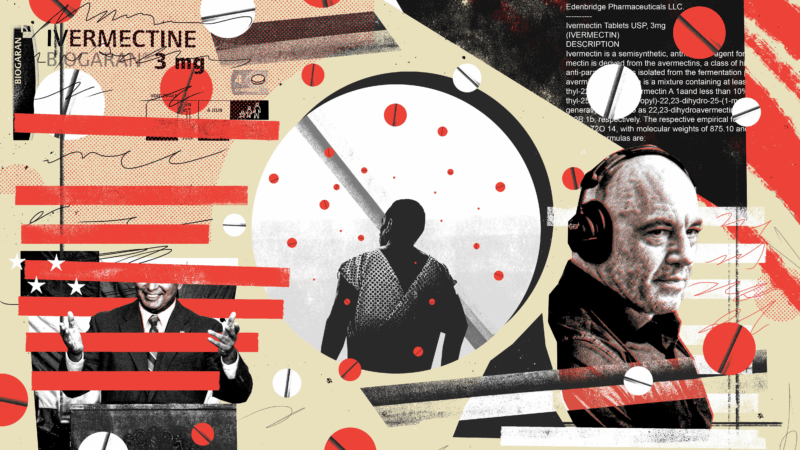
Ivermectin is making a post-pandemic comeback, among cancer patients
The anti-parasitic drug became a household name during the COVID-19 pandemic, and it is now being embraced as an alternative treatment for cancer. It is as politically polarizing as ever.
Rep. Adam Smith on the U.S. strikes on Iran and the debate over Trump’s war powers
NPR's Leila Fadel asks Democratic Rep. Adam Smith of Washington, the ranking member on the House Armed Services Committee, about President Trump's unilateral authorization to strike Iran.
