
Curling had its moment at the Olympics and now Paralympics. It sparked a curling bonanza in America
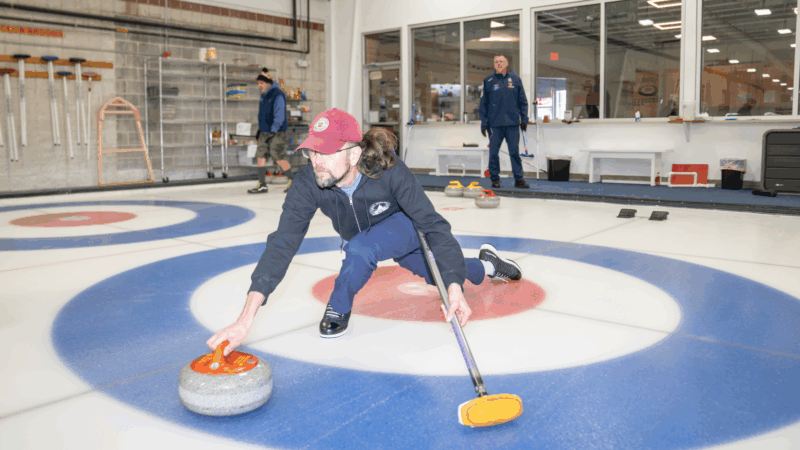
After weeks of anticipation, Stacy Bishop packed her suitcase, wrangled her 6-year-old son and headed to the airport. Nine hours later she and her family arrived in Italy, ready to watch the Winter Olympics. Their event of choice: curling.
Bishop is the media director of the Potomac Curling Club in Laurel, Md., and she built her entire vacation schedule around watching the curling pros in action on the ice.
“We made some signs that hopefully people will think are funny if they see them on TV,” Bishop said the week before she left for Milan. “They say ‘the triple’s there’ and ‘peel the guard’ — things that curlers would find funny and nobody else. My 6-year-old has a flag that he will be waving that just says ‘sweep’.”
Curling was the only sport to air every day of the 2026 Milan-Cortina Winter Olympics. A report shared with NPR by USA Curling showed that curling had the largest viewership of any sport during NBC’s Winter Olympic coverage. As the Paralympics kick off, wheelchair curling athletes from across the world will compete every day.
Back in America, a surge of people are trying the sport out for themselves.
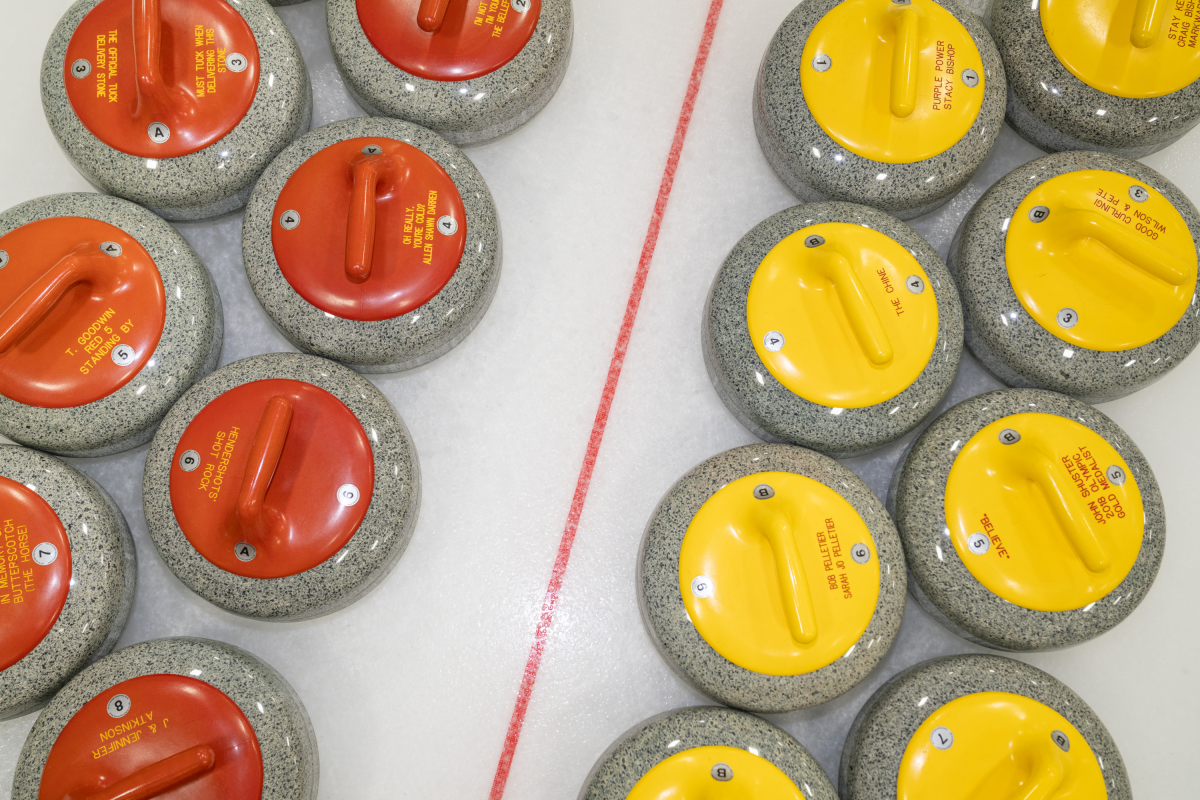
Bishop first began curling 16 years ago during an Olympics season. She, and many others at her club, cite the Winter Olympics as the reason why they became interested in the sport.
This phenomenon — that thousands of people become interested in curling every four years and decide to get on the ice — is well documented. Dean Gemmell, CEO of USA Curling, the national governing body for the sport, told NPR that USA Curling’s member clubs have consistently reported between 300 to 600 people at ‘learn-to-curl’ events and open houses in the past few months.
“We do get a good bump every four years, but I think this year seems more significant than in the past,” Gemmell said. “That might be because our teams performed well. All of our teams are on ice for 30 hours of television time, so compared to other sports where athletes might get four minutes, we have a lot.”
His preliminary data also shows that Olympics-time interest has already translated into increased membership, as several clubs have welcomed over 100 new curlers into their beginner leagues.
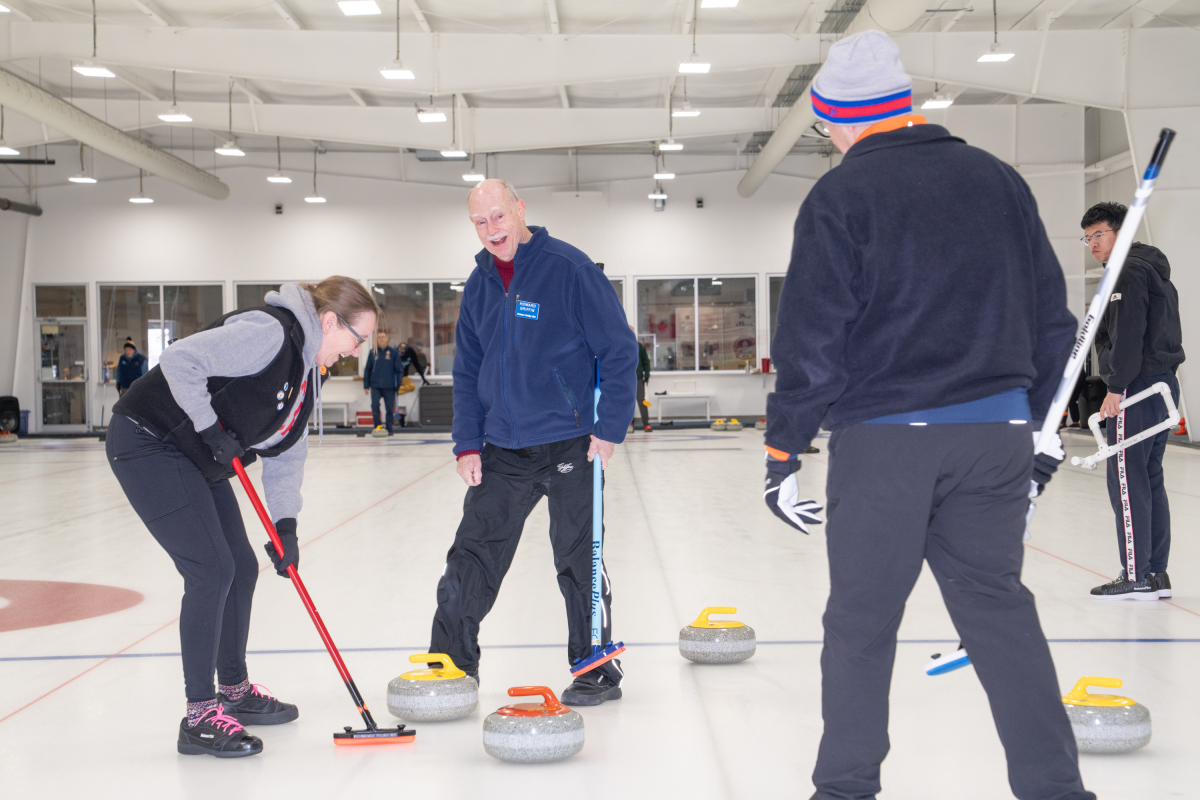
Currently, there are about 20,000 USA curling members across the country and the fastest growing segment of new curlers is 21 to 40-year-olds, who now make up 38 percent of USA curling’s members.
Potomac Club league curler Elizabeth Tigner said she’s excited that a growing number of young people are committing to the sport.
“It keeps it fresh and interesting,” Tigner said. “I think that’s also good for our club, because one of the best things that you can do to get better at your own game is to teach people.”
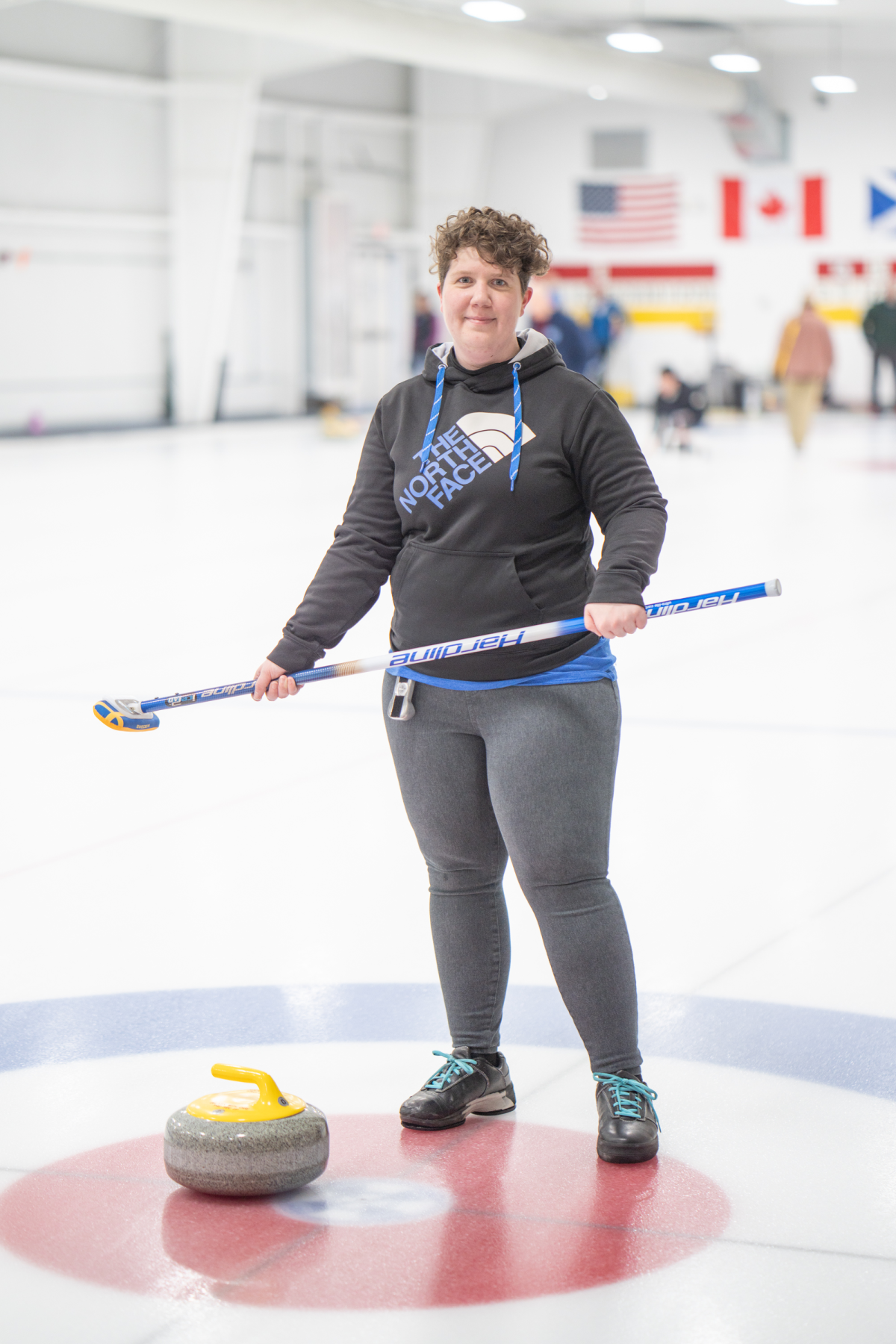
Some clubs, especially smaller ones in more sparsely populated areas, actually depend on the Olympics-time boom to stay afloat. Michael Ehrlich, president of the small Chesapeake Curling Club in Easton, Md., said that the club had over 300 people come through their doors this year.
“We rent our space from the community center from mid November through mid March, and we try to pack as much curling into those like three three and a half months as we can,” Ehrlich said. “We’ve just been talking today about maybe extending that, but that’s a function of people’s willingness to keep curling and our desire to spend money to rent.”
Chesapeake is hosting three times more ‘learn to curl’ sessions than they would in a typical year.
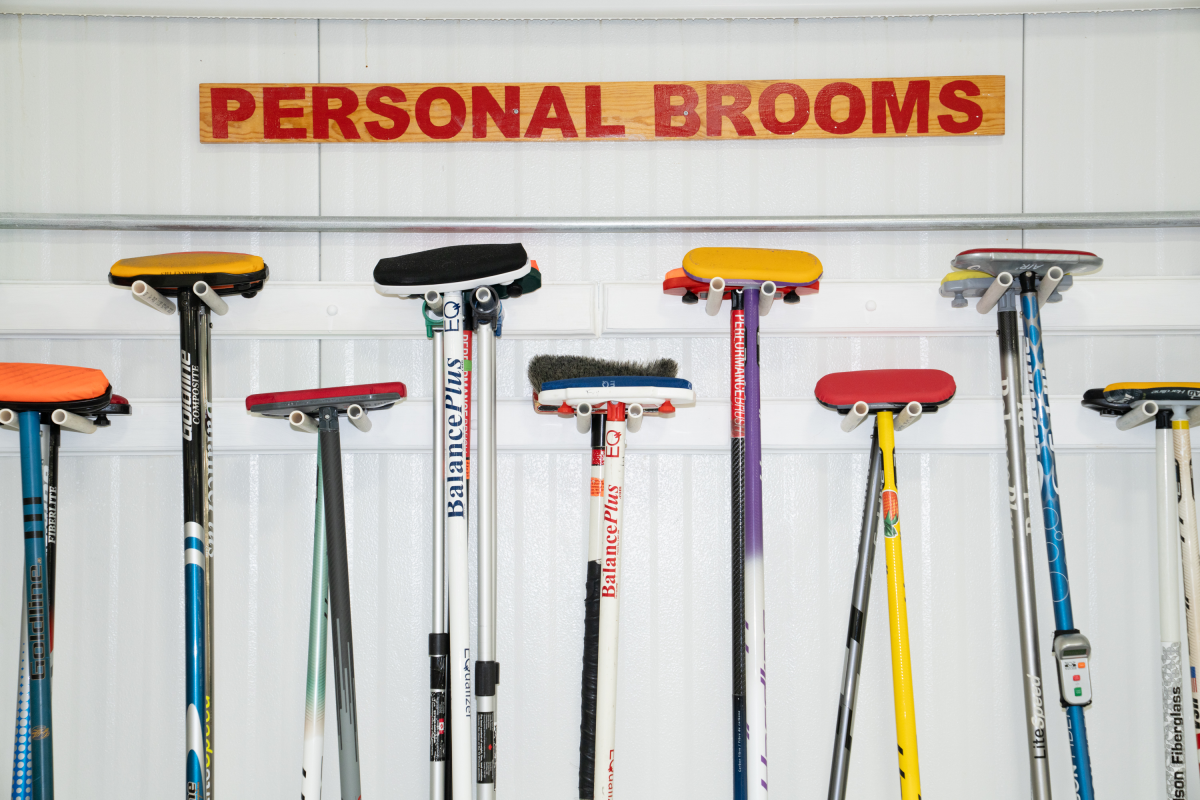
“It’s our desire to get more people,” Martin Wyatt, who has been curling at Chesapeake since the club opened in 1979. “The more people we have the more money we have and the longer the season we will be able to afford.”
The Olympics has already gotten Chesapeake closer to that goal. Curler Yana Willey said that it was watching this year that finally convinced her boyfriend to get out on the ice.

“I did a ‘learn to curl’ three years ago along with my boyfriend and I’ve been trying to convince him to come back to the club,” Willey said. “Now that the Olympics are on he told me today he’s got a shopping cart full of things for curling. He wants to be a member. He’s like, ‘I’m all in, like, I’m sold.'”
Gemmell said the larger than expected bump from the 2026 Olympics has the potential to redefine the sport’s future in America.
Opinion: The immorality of betting on war
Traders on prediction markets bet on nearly anything. One made more than half a million dollars betting on the U.S. strike against Iran. But should people wager on human suffering?

Alabama man facing execution for deadly robbery asks for clemency as he didn’t kill victim
Charles “Sonny” Burton is scheduled to be executed March 12 for his role in a 1991 robbery in which a man was fatally shot. His supporters and attorney are asking the governor for clemency, arguing that his life should be spared because Burton didn’t fire the gun or witness the killing.
One week into the Iran war, the fallout is global
The war is no longer just about the U.S., Israel and Iran. More countries are getting caught in the political crossfire or being drawn into the fighting themselves.
Iran’s president defies U.S. demands while apologizing for strikes on neighbors
President Masoud Pezeshkian said Saturday that a demand by the U.S. for an unconditional surrender is a "dream that they should take to their grave." He also apologized for Iran's attacks on regional countries.
What the Trump administration says about why it went to war with Iran
The Trump administration says it is "laser focused" and mission driven, but the messaging has been varied. The range of cited motivations for striking Iran now are sometimes at odds with each other.
Trump looks to turn attention to Western Hemisphere at Americas summit
President Trump is set to gather with Latin American leaders on Saturday at his Miami-area golf club as his administration looks to turn attention to the Western Hemisphere, at least for a moment.
