
Crime is down in Washington, D.C., but still a reality in some neighborhoods
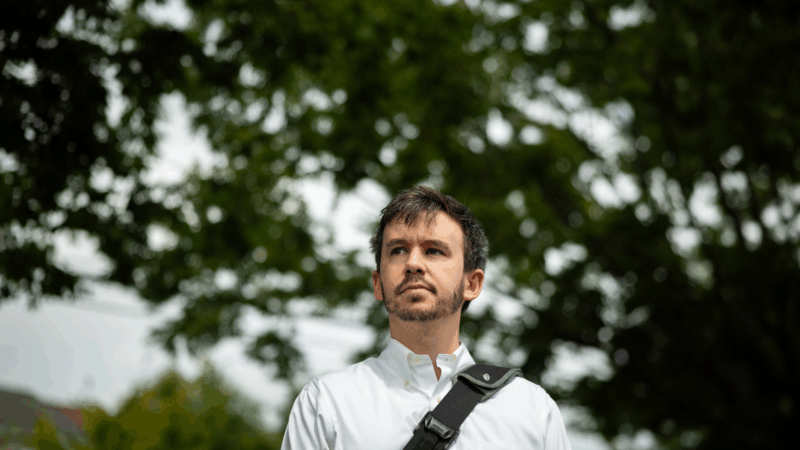
WASHINGTON — President Trump began to deploy National Guard troops, along with hundreds of federal agents, around Washington, D.C., this week, in a move to crack down on what he calls rampant, violent crime. The federal government has also taken over the D.C. Metropolitan police.
Some Washingtonians see the president’s move as a power play. Others say crime in parts of Washington is indeed a big problem and they welcome more resources, but they doubt deploying federal agents and soldiers is a solution.
Ava, a business consultant, lives in the U-Street neighborhood, a gentrifying part of the capital where there is a mix of younger professionals and older, long-time Washingtonians. The neighborhood is part of Ward 1, which has had seven homicides and 166 robberies so far this year, according to D.C. Metropolitan police.
Ava, who asked that NPR not use her last name because she is here on a green card and worries about retribution, says there have been shootings nearby, but she still sees her neighborhood as relatively safe and is comfortable walking home as late as 2 and 3 a.m. She says the president’s description of Washington does not match her reality.
“I’ve lived in cities my whole life, and I don’t think D.C. is more dangerous than other cities,” says Shen, 27. “I think this summer actually has been … calmer than other summers.”
Washington has had some serious violent crime problems, including carjackings. For instance, in June 2023, amid a crime surge, there were 140 in the city.
But the U.S. Justice Department says last year violent crime in the District of Columbia hit a 30-year low.
Violent crime in Ward 1 is down nearly 30 percent this year so far over the same period last year, according to police.
Across the Anacostia River in Ward 8, where poverty is high, there have been 38 homicides so far this year – nearly five times as in Ward 1.
“I have a friend that actually got raped about three years ago,” says Alicia Cooper, who works as a property manager in the Congress Heights neighborhood. Cooper supports President Trump.
“I think he actually cares,” she says. On balance, she welcomes federal oversight of the police and a National Guard presence.
“The positive is a sense of security,” she says. “Residents, at the end of the day, they can feel secure that they know there is a higher level of chain command that is monitoring what’s going on.”
Joe McLean, 37, a lawyer who was visiting Congress Heights Wednesday, says the deployment of soldiers and federal agents is not about reducing crime, but flexing political power.
“Everybody knows that a show of force does not reduce crime, they don’t care about crime, and crime is down,” McLean says.
Instead, he says, he thinks the administration is trying to subjugate a majority-Black city.
“They see someone and they want to control them,” McLean says.


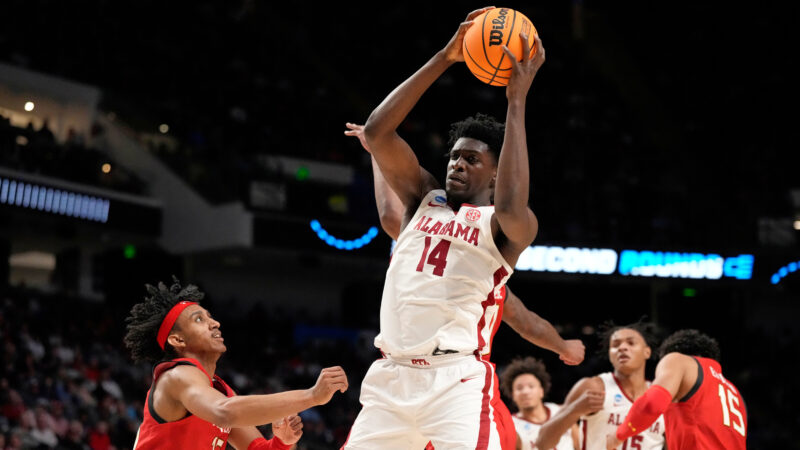
Judge rules 7-foot center Charles Bediako is no longer eligible to play for Alabama
Bediako was playing under a temporary restraining order that allowed the former NBA G League player to join Alabama in the middle of the season despite questions regarding his collegiate eligibility.

American Ben Ogden wins silver, breaking 50 year medal drought for U.S. men’s cross-country skiing
Ben Ogden of Vermont skied powerfully, finishing just behind Johannes Hoesflot Klaebo of Norway. It was the first Olympic medal for a U.S. men's cross-country skier since 1976.

An ape, a tea party — and the ability to imagine
The ability to imagine — to play pretend — has long been thought to be unique to humans. A new study suggests one of our closest living relatives can do it too.
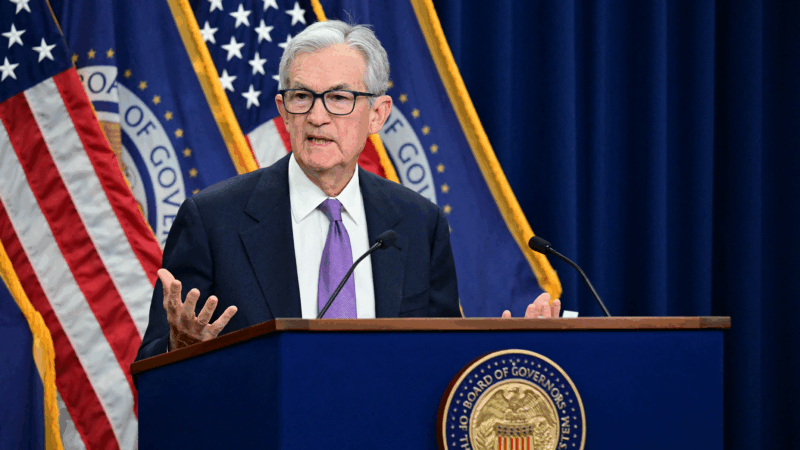
How much power does the Fed chair really have?
On paper, the Fed chair is just one vote among many. In practice, the job carries far more influence. We analyze what gives the Fed chair power.

‘Please inform your friends’: The quest to make weather warnings universal
People in poor countries often get little or no warning about floods, storms and other deadly weather. Local efforts are changing that, and saving lives.
In a world built for sitting, here’s how to stay active — even when stuck inside
In the office, classroom and living room, working and relaxing mean sitting still. Our bodies evolved without chairs. Here are some tips for getting out of your seat and moving — even on cold days.
