
Congo and Rwanda to sign symbolic peace deal in Washington as fighting rages
KINSHASA, Democratic Republic of Congo — Congolese President Felix Tshisekedi and Rwandan leader Paul Kagame are due to sign a peace deal in Washington Thursday, in a much-anticipated ceremony at the recently renamed Donald J. Trump Institute for Peace.
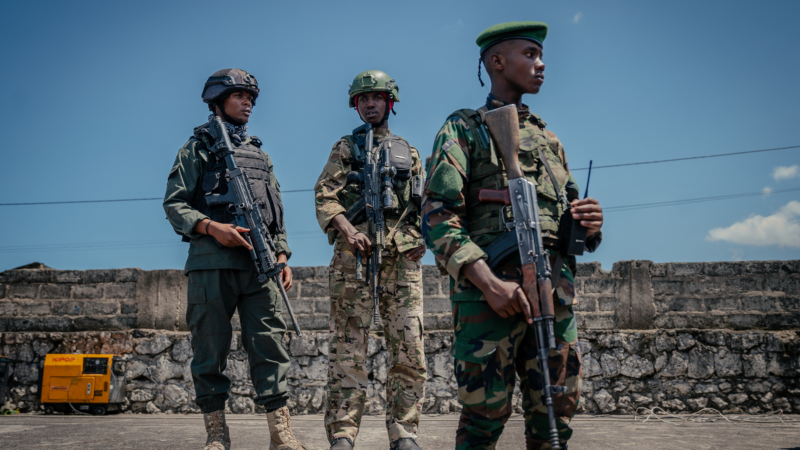
The Trump administration is hoping the deal will end decades of conflict in eastern Congo. But even as the two leaders prepare to put pen to paper, fighting between Congolese forces and Rwanda-backed M23 rebels continues to rage in eastern Congo. This week saw especially fierce combat around the town of Kamanyola, on the Rwandan border.
The ceremony is largely symbolic – the agreement was already signed over the summer and critics still see obstacles to its implementation.
The two African governments formally signed the U.S.-brokered peace agreement on June 27, after they nearly descended into all-out war earlier in the year. In January, M23 rebels backed by thousands of Rwandan soldiers captured eastern Congo’s two largest cities.President Trump declared the June deal “a glorious triumph” and has since claimed to have ended over 30 years of war in the mineral-rich region.
Under its terms, Rwanda is meant to withdraw its troops and stop supporting the M23, a rebel group led by Congolese ethnic minority Tutsi commanders.
Congo is supposed to eradicate a militia known as the Democratic Forces for the Liberation of Rwanda (FDLR)— which Rwanda’s government views as an existential threat. Ethnic Hutu extremists founded this militia when they fled to Congo after the 1994 Rwandan genocide, which killed nearly 800,000 Tutsi civilians.
So far, neither condition has been met. Despite this, both Congolese and Rwandan leaders have said that they hope to achieve a lasting peace. “This peace accord will, I hope, bring a real peace, true peace to our countries,” Congolese leader Tshisekedi told supporters last week.
He added that this means Rwandan troops leaving Congo for good.
In a mark of the conflict’s complexity, the U.S.-brokered peace deal depends on the success of parallel negotiations between Congo’s government and M23 rebels. Yet those talks are stalling.
Peace deal “not a magic wand”
Yolande Makolo, Rwanda’s government spokesperson, nonetheless told NPR that the situation on the ground has improved since June. “The peace deal is not a magic wand,” she said. “Peace comes in steps, and there have been important steps that have been taken since the signing in June.”
Rwanda denies having deployed troops to eastern Congo or backing the M23. However, UN investigators have reported the presence of Rwandan soldiers in eastern Congo since 2022.
Thousands of Rwandan soldiers were present in the region at the beginning of the year, according to the UN investigators, who also said that Rwanda commands the M23 rebels.
The U.S. government has also confirmed Rwandan military involvement, including the deployment of surface-to-air missiles inside Congolese territory.There is also an economic component to the peace deal.
Congo and Rwanda are meant to cooperate on generating electricity, developing infrastructure, and on tackling armed groups and smugglers in eastern Congo’s lawless mining sector. But the security conditions need to be fulfilled before the economic side kicks in, according to the Congolese government.
U.S. eyes Congo’s vast mineral wealth
Congo is one of the poorest countries on the planet, but it possesses fabulous mineral wealth. It is the world’s top producer of cobalt—used in rechargeable batteries in electronics and electric vehicles—and the second-largest producer of copper. It also has major deposits of lithium, tantalum, and other strategic minerals.
As well as signing the deal with Rwanda on Thursday, Congo will sign an economic partnership with the U.S. “We really think the United States will get involved because it’s interested in what the DRC has to offer,” Tina Salama, Tshisekedi’s spokesperson, said Wednesday during a press conference in Washington.
There has been significant criticism of the peace deal in Congo itself, where critics, including opposition politicians and civil-society organizations see it as having failed to deliver concrete results. Congo’s government, however, says it wants the Trump administration to pressure the Rwandan army to withdraw.
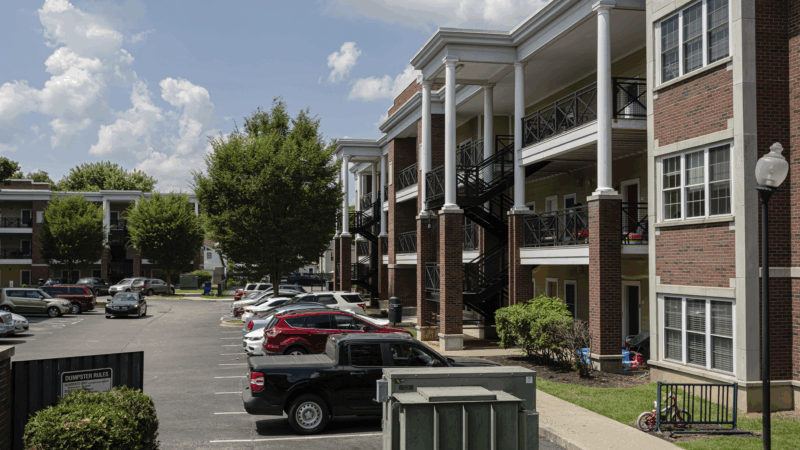
HUD proposes time limits and work requirements for rental aid
The rule would allow housing agencies and landlords to impose such requirements "to encourage self-sufficiency." Critics say most who can work already do, but their wages are low.
Paramount and Warner Bros’ deal is about merging studios, and a whole lot more
The nearly $111 billion marriage would unite Paramount and Warner film studios, streamers and television properties — including CNN — under the control of the wealthy Ellison family.

A new film follows Paul McCartney’s 2nd act after The Beatles’ breakup
While previous documentaries captured the frenzy of Beatlemania, Man on the Run focuses on McCartney in the years between the band's breakup and John Lennon's death.

An aspiring dancer. A wealthy benefactor. And ‘Dreams’ turned to nightmare
A new psychological drama from Mexican filmmaker Michel Franco centers on the torrid affair between a wealthy San Francisco philanthropist and an undocumented immigrant who aspires to be a dancer.
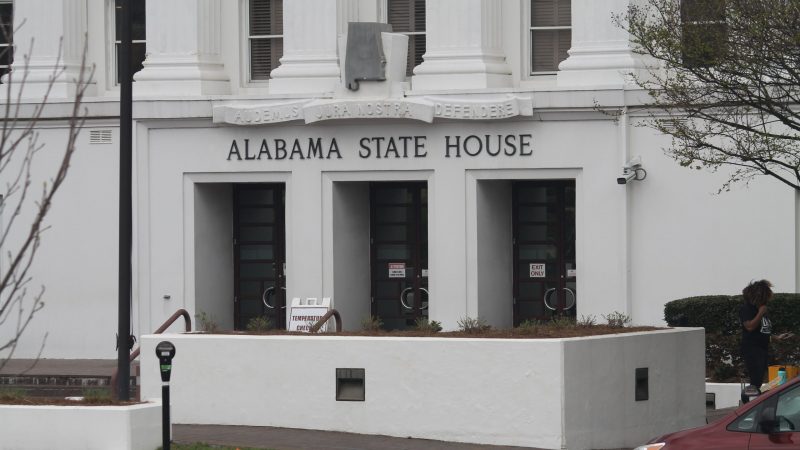
Bill making the Public Service Commission an appointed board is dead for the session
Usually when discussing legislative action, the focus is on what's moving forward. But plenty of bills in a legislature stall or even die. Leaders in the Alabama legislature say a bill involving the Public Service Commission is dead for the session. We get details on that from Todd Stacy, host of Capitol Journal on Alabama Public Television.
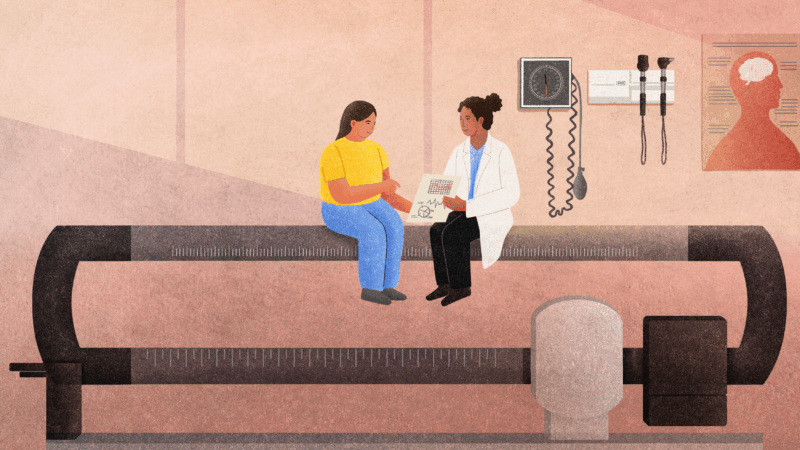
My doctor keeps focusing on my weight. What other health metrics matter more?
Our Real Talk with a Doc columnist explains how to push back if your doctor's obsessed with weight loss. And what other health metrics matter more instead.
