
CIA behind strike at Venezuelan dock that Trump claims was used by drug smugglers, AP sources say
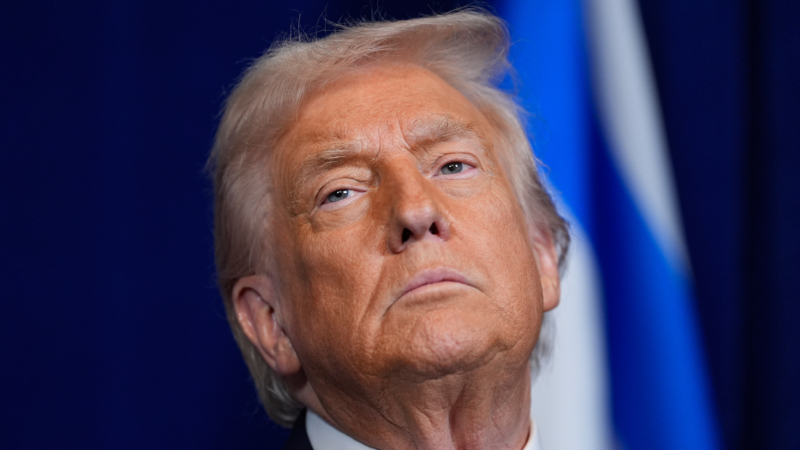
WASHINGTON — The CIA was behind a drone strike last week at a docking area believed to have been used by Venezuelan drug cartels, according to two people familiar with details of the operation who requested anonymity to discuss the classified matter.
The first known direct operation on Venezuelan soil since the U.S. began strikes in September marks a significant escalation in the administration’s months-long pressure campaign on Venezuelan President Nicolás Maduro’s government. The strike has not been acknowledged by Venezuelan officials.
President Donald Trump first made reference to the operation in an interview Friday with John Catsimatidis on WABC radio in New York, saying the U.S. had knocked out some type of “big facility where ships come from.”
In an exchange with reporters Monday as he hosted Israeli Prime Minister Benjamin Netanyahu at his Mar-a-Lago resort, Trump added that the operation targeted a ” dock area where they load the boats up with drugs.” But the president declined to comment when asked whether the attack was conducted by the military or the CIA.
The CIA and White House officials also declined to offer further comment on the matter. Col. Allie Weiskopf, a spokesperson for Special Operations Command, which oversees U.S operations in the Caribbean, said in a statement that “Special Operations did not support this operation to include intel support.”
The strike escalates what began as a massive buildup of U.S. personnel in the Caribbean Sea starting in August, which has been followed by at least 30 U.S. military strikes on alleged drug boats in the Caribbean and eastern Pacific. More recently, Trump has ordered a quasi-blockade aimed at seizing sanctioned oil tankers coming in and out of Venezuela.
CNN first reported on the CIA’s involvement in the operation.
Trump for months had threatened that he could soon order strikes on targets on Venezuelan land. He’s also taken the unusual step of publicly acknowledging that he had authorized the CIA to carry out covert action inside Venezuela.
The administration is required to report covert CIA actions to senior congressional officials, including the chair and ranking members of both the Senate and House intelligence committees. But Trump, by entrusting what appears to be the first land strike of the Venezuelan campaign to the intelligence agency, could be calculating that the action would face less scrutiny from lawmakers than a military strike.
“I authorized for two reasons, really. No. 1, they have emptied their prisons into the United States of America,” he said in October as he confirmed to reporters his approval for the CIA to act. “And the other thing, the drugs, we have a lot of drugs coming in from Venezuela, and a lot of the Venezuelan drugs come in through the sea.”
All the while, Trump has repeatedly said Maduro’s days in power are numbered. The Venezuelan leader and members of his inner circle have been under federal indictment in the United States since 2020 for narcoterrorism and other charges.
Maduro has denied the charges. The U.S. Justice Department this year doubled to $50 million the reward for information that leads to his arrest.
The Venezuelan president made no mention of the CIA operation during an hourlong speech Tuesday at an international leadership school for women.
—
AP writer Regina Garcia Cano in Caracas, Venezuela, contributed reporting.
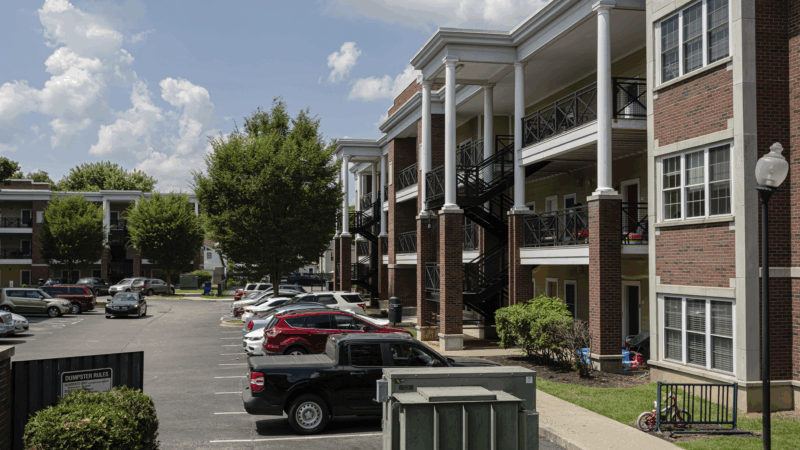
HUD proposes time limits and work requirements for rental aid
The rule would allow housing agencies and landlords to impose such requirements "to encourage self-sufficiency." Critics say most who can work already do, but their wages are low.
Paramount and Warner Bros’ deal is about merging studios, and a whole lot more
The nearly $111 billion marriage would unite Paramount and Warner film studios, streamers and television properties — including CNN — under the control of the wealthy Ellison family.

A new film follows Paul McCartney’s 2nd act after The Beatles’ breakup
While previous documentaries captured the frenzy of Beatlemania, Man on the Run focuses on McCartney in the years between the band's breakup and John Lennon's death.
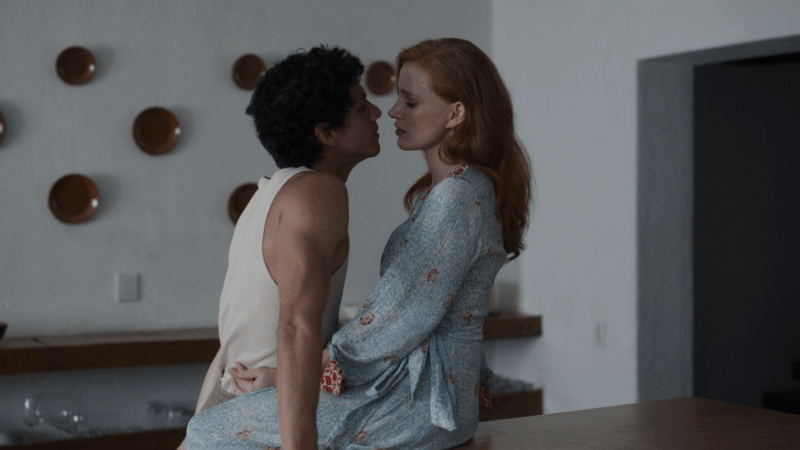
An aspiring dancer. A wealthy benefactor. And ‘Dreams’ turned to nightmare
A new psychological drama from Mexican filmmaker Michel Franco centers on the torrid affair between a wealthy San Francisco philanthropist and an undocumented immigrant who aspires to be a dancer.
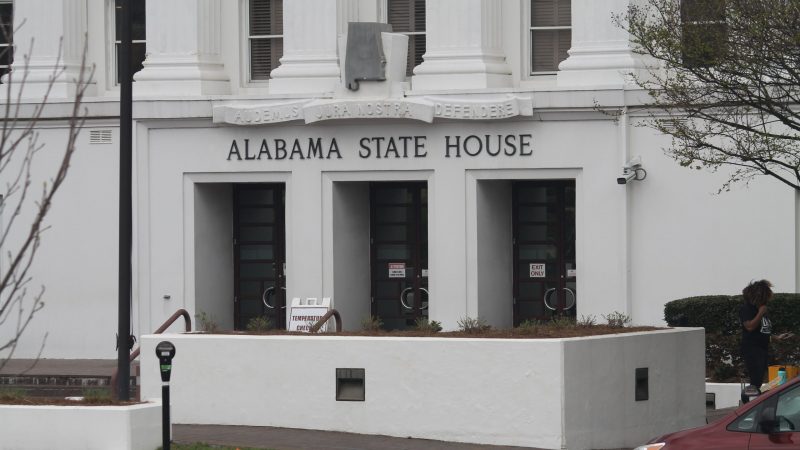
Bill making the Public Service Commission an appointed board is dead for the session
Usually when discussing legislative action, the focus is on what's moving forward. But plenty of bills in a legislature stall or even die. Leaders in the Alabama legislature say a bill involving the Public Service Commission is dead for the session. We get details on that from Todd Stacy, host of Capitol Journal on Alabama Public Television.

My doctor keeps focusing on my weight. What other health metrics matter more?
Our Real Talk with a Doc columnist explains how to push back if your doctor's obsessed with weight loss. And what other health metrics matter more instead.
