
China and the U.S. clash at the U.N. over the Panama Canal
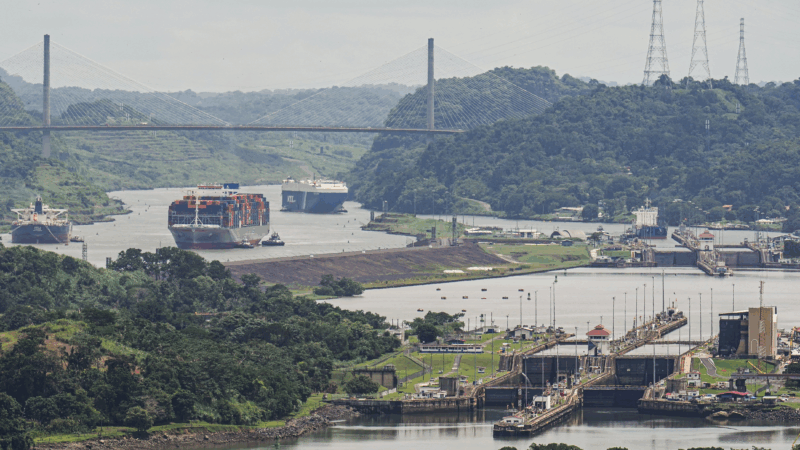
UNITED NATIONS — The United States and China clashed over the Panama Canal at the United Nations on Monday, with the U.S. warning that Beijing’s influence over the key waterway could threaten global trade and security and China calling U.S. accusations a pretext to take over the canal.
The clash took place at a U.N. Security Council meeting where Panama’s President José Raúl Mulino stressed the neutrality of the canal and his country’s ownership of the waterway linking the Atlantic and Pacific oceans.
Panama holds the council presidency this month, and Mulino was chairing a meeting on challenges to maritime security. Interpol Secretary General Valdecy Urquiza told members these include piracy, armed robbery, transnational crime and cyber criminals weaponizing artificial intelligence to attack ports where there is “minimal cyber security, maximum exposure.”
U.S. President Donald Trump thrust Panama into the spotlight even before winning election last November by suggesting that his country should consider retaking control of the Panama Canal and accusing Panama of ceding influence to China.
The U.S. built the canal in the early 1900s as it looked for ways to facilitate the transit of commercial and military vessels between its coasts. Control of the waterway transferred to Panama in 1999 under a treaty signed in 1977 by President Jimmy Carter.
China’s U.N. Ambassador Fu Cong emphasized to the council that “Panama has consistently and effectively managed the canal, making significant contributions to global shipping and trade.”
“China has always respected the permanent neutrality of the canal and firmly supports Panama in safeguarding its sovereignty over the canal to ensure its openness and smooth operation,” he said.
Acting U.S. Ambassador Dorothy Shea, who spoke afterward, went after China, expressing concern about its “outsized influence over the Panama Canal area, especially over critical infrastructure and port operations.”
Alluding to its claims in the South China Sea, she said, “China’s expansive and unlawful maritime claims and aggressive actions demonstrate its threat to maritime security and commerce.” She said the U.S. rejects these claims and supports countries opposing them.
“China’s influence in the canal area is not just a risk to Panama and the United States, but rather a potential threat to global trade and security,” Shea said.
The Trump administration has pressured China to have the Hong Kong-based operator of ports at either end of the canal sell those interests to a U.S. consortium that includes BlackRock Inc.
Panama has vehemently rejected a takeover of the canal, but in April, U.S. Defense Secretary Pete Hegseth visited Panama and agreed with Mulino to step up security coordination. The agreement also gives U.S. troops access to strategic air and naval facilities in the Central American nation, which sparked large protests in Panama’s capital.
China’s Fu asked for the floor to respond to Shea’s accusations after all council members spoke, this time lashing out at the Trump administration.
“The United States’ fabrication of lies and groundless attacks against China are nothing but a pretext for seeking control of the canal,” he said.
The Chinese envoy called the U.S. and its deployment of offensive weapons in the South China Sea area “the biggest disrupter of peace and stability” in the region, and he accused the administration of exacerbating risks to global maritime security.
“China firmly opposes economic coercion and bullying practices and urges the United States to stop fabricating rumors, lies and creating trouble,” Fu said.
Murillo then responded, saying he wanted to stress Panama’s sovereignty “in terms of the ownership of the canal” and the multilateral treaty governing its administration. He called the canal’s neutrality “the only and the best defense” to any specific or global threats.
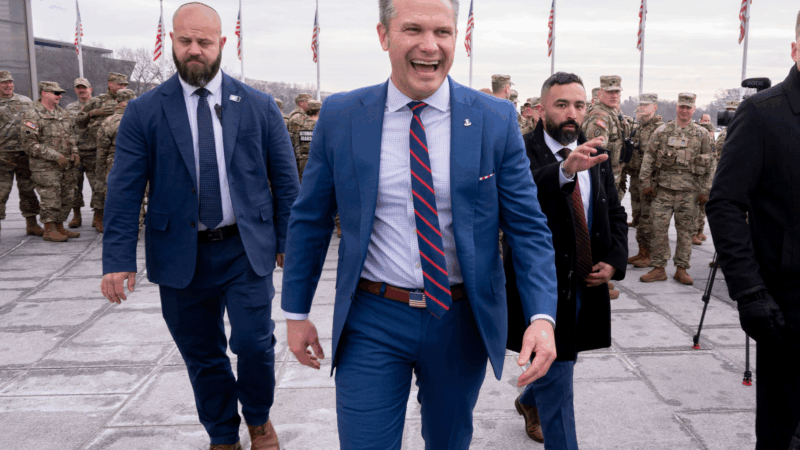
Pentagon says it’s cutting ties with ‘woke’ Harvard, ending military training
Amid an ongoing standoff between Harvard and the White House, the Defense Department said it plans to cut ties with the Ivy League — ending military training, fellowships and certificate programs.
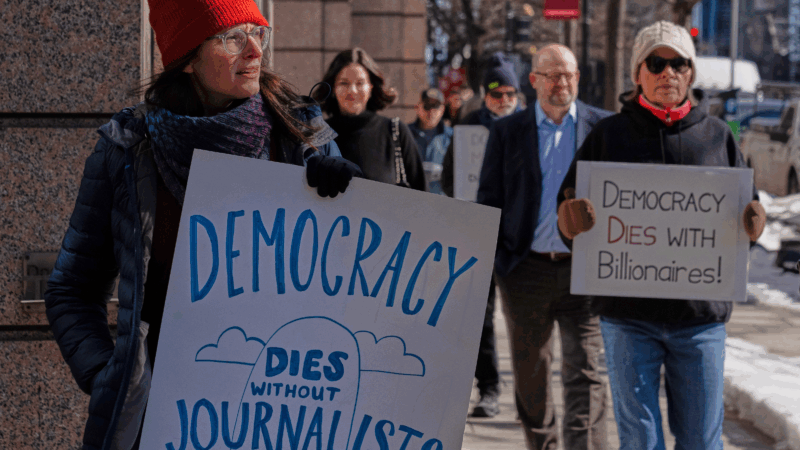
‘Washington Post’ CEO resigns after going AWOL during massive job cuts
Washington Post chief executive and publisher Will Lewis has resigned just days after the newspaper announced massive layoffs.
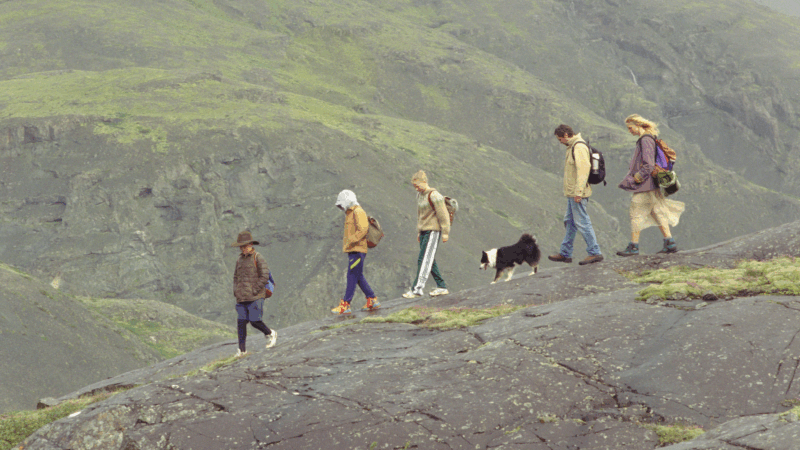
In this Icelandic drama, a couple quietly drifts apart
Icelandic director Hlynur Pálmason weaves scenes of quiet domestic life against the backdrop of an arresting landscape in his newest film.
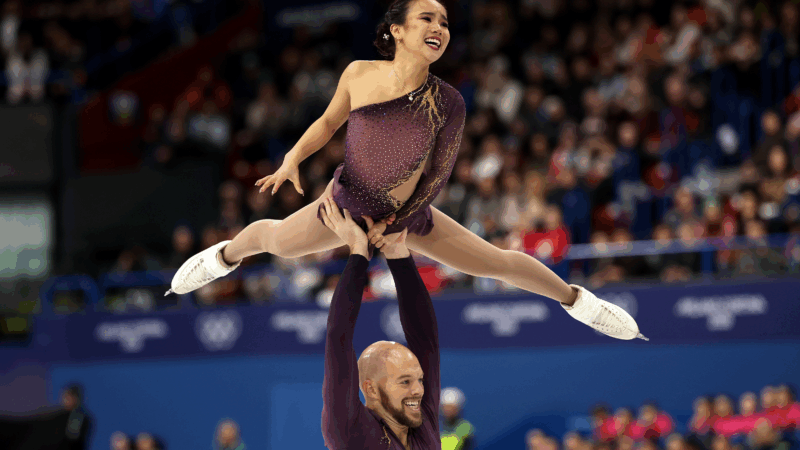
After the Fall: How Olympic figure skaters soar after stumbling on the ice
Olympic figure skating is often seems to take athletes to the very edge of perfection, but even the greatest stumble and fall. How do they pull themselves together again on the biggest world stage? Toughness, poise and practice.
They’re cured of leprosy. Why do they still live in leprosy colonies?
Leprosy is one of the least contagious diseases around — and perhaps one of the most misunderstood. The colonies are relics of a not-too-distant past when those diagnosed with leprosy were exiled.

This season, ‘The Pitt’ is about what doesn’t happen in one day
The first season of The Pitt was about acute problems. The second is about chronic ones.
