
CBS will end ‘The Late Show with Stephen Colbert’ next year

While taping his Thursday show, host Stephen Colbert made the surprising announcement that CBS is ending his late night show in May.
The live audience at New York’s Ed Sullivan Theater booed when he delivered the news that this would be the show’s final season.
“Yeah, I share your feelings,” he told the audience. “It’s not just the end our our show, but it’s the end of The Late Show on CBS. I’m not being replaced. This is all just going away.”
Colbert has hosted the top-rated show since 2015, taking over for David Letterman.
The news comes just days after Colbert criticized CBS’s parent company, Paramount Global, for paying $16 million to settle a lawsuit filed by then-presidential candidate Donald Trump, whom Colbert regularly skewers in his monologues. Trump claimed the network interfered in the 2024 election by editing a 60 Minutes interview with his opponent, Kamala Harris.
The decision to shutter Late Night With Stephen Colbert also comes as Paramount Global seeks Federal Communications Commission approval to merge with Skydance Media, a $8.4 billion agreement.
In a statement, the network said ending the show was a financial decision, “not related in any way to the show’s performance, content or other matters happening at Paramount.”
But fans are skeptical. California Democratic Rep. Adam Schiff, who was a guest on Thursday’s show, called for more transparency over the decision. “If Paramount and CBS ended The Late Show for political reasons, the public deserves to know,” he posted on X. ” And deserves better.”
Democratic Sen. Elizabeth Warren of Massachusetts and others on social media also weighed in, expressing skepticism about the timing of the decision to end the show.
Iran’s president defies U.S. demands while apologizing for strikes on neighbors
President Masoud Pezeshkian said Saturday that a demand by the U.S. for an unconditional surrender is a "dream that they should take to their grave." He also apologized for Iran's attacks on regional countries.
What the Trump administration says about why it went to war with Iran
The Trump administration says it is "laser focused" and mission driven, but the messaging has been varied. The range of cited motivations for striking Iran now are sometimes at odds with each other.
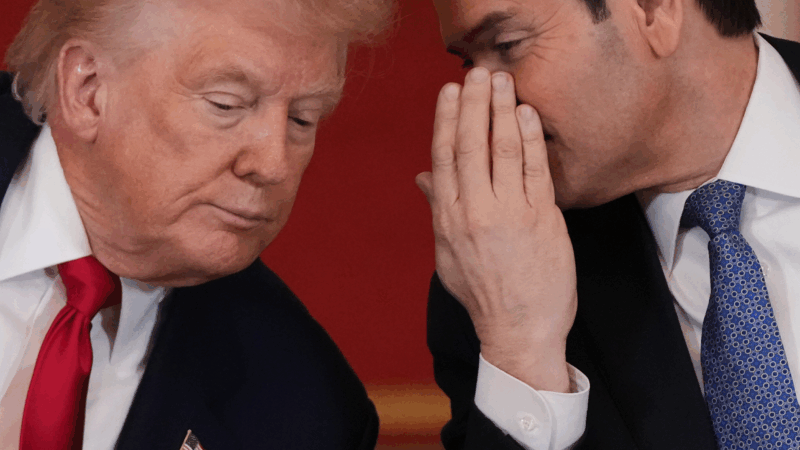
Trump looks to turn attention to Western Hemisphere at Americas summit
President Trump is set to gather with Latin American leaders on Saturday at his Miami-area golf club as his administration looks to turn attention to the Western Hemisphere, at least for a moment.
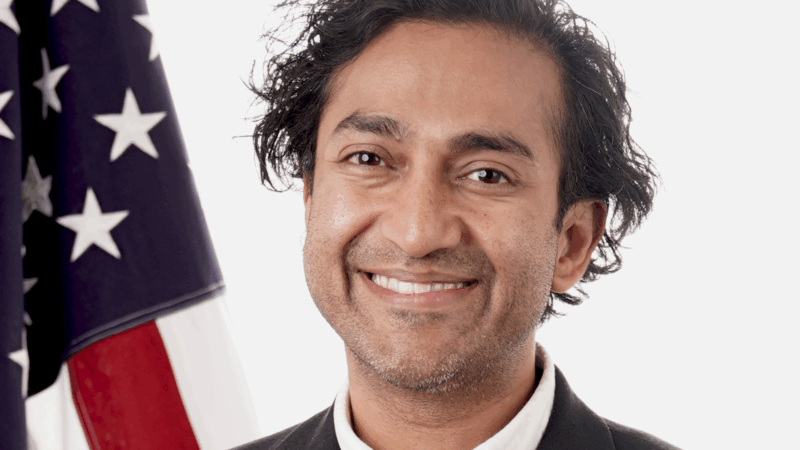
Trump administration’s embattled FDA vaccine chief is leaving for the second time
The FDA's controversial vaccine chief, Dr. Vinay Prasad, is leaving the agency. It's the second time he has abruptly departed following decisions involving the review of vaccinations and specialty drugs.
Family, former presidents and a Hall of Famer give Rev. Jesse Jackson a final sendoff
Several speakers at Jackson's funeral invoked his hallmark catchphrases: "Keep hope alive" and "I am somebody."
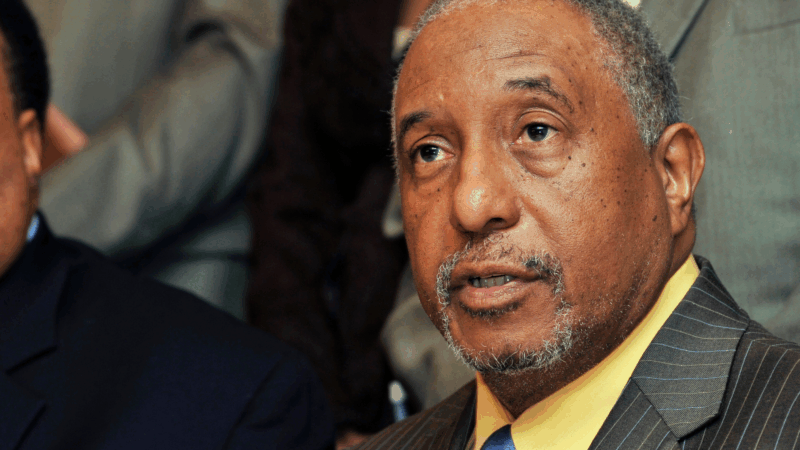
Bernard LaFayette, Selma voting rights organizer, dies at 85
Bernard LaFayette, who died Thursday, laid the foundations of the Selma, Alabama, campaign that culminated in the passage of the Voting Rights Act. He was a Freedom Rider and helped found the Student Nonviolent Coordinating Committee.
