
Candidates have legal standing to challenge election laws, the Supreme Court rules
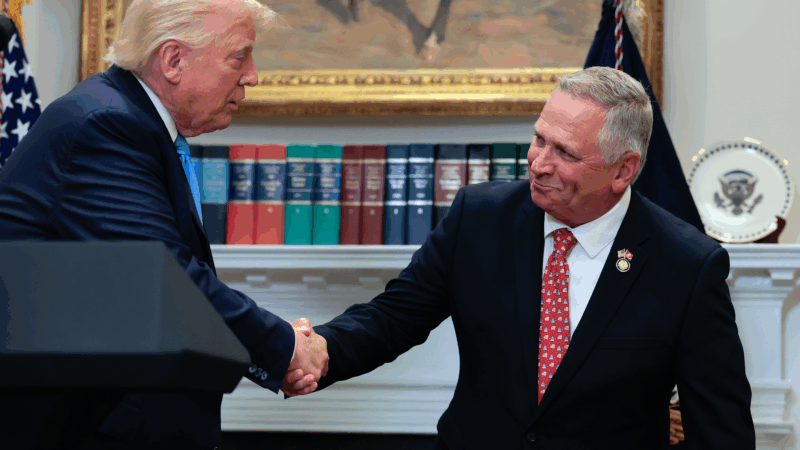
The U.S. Supreme Court ruled Wednesday that political candidates have the legal standing to challenge election laws before voting or counting starts.
The case before the court was brought by Illinois Republican U.S. Rep. Michael Bost and other candidates, who wanted to challenge a state law that allows election officials to count mail ballots that arrive up to two weeks after Election Day, as long as they’re postmarked on time.
Many states have laws that offer a buffer, or grace period, to voters to return mail ballots in case there are issues with the postal service, for example.
A lower court ruled that Bost did not have standing to challenge the Illinois law.
The conservative-majority Supreme Court, in a 7-2 ruling, disagreed.
Chief Justice John Roberts authored the opinion, writing that “[c]andidates have a concrete and particularized interest in the rules that govern the counting of votes in their elections, regardless whether those rules harm their electoral prospects or increase the cost of their campaigns.”
Justice Amy Coney Barrett wrote a concurring opinion, joined by liberal Justice Elena Kagan. Liberal Justices Ketanji Brown Jackson and Sonia Sotomayor dissented.
In her dissent, Justice Jackson argued that the court was giving candidates the ability to sue in advance of provable harm, despite the fact that most voters don’t have that ability.
“In a democratic society like ours, the interest in a fair electoral process is common to all members of the voting public,” she wrote. “I believe that political candidates can and should be held to the same actual-injury requirements as other litigants.”
The ruling was cheered by the conservative group Restoring Integrity and Trust in Elections, with its president, Justin Riemer, writing in a statement that the decision is “a major win for the rule of law in our elections. Too many courts for too long have avoided grappling with legitimate and meritorious challenges to election rules by dismissing cases on standing grounds.”
But Wendy Weiser with the Brennan Center for Justice warned that allowing candidates to challenge laws without proving harm first could also create an influx of frivolous lawsuits.
“At a time of conspiracy theories & stress on elections, SCOTUS just opened the floodgates to candidates challenging election rules,” she wrote on X, “regardless of whether those rules will impact their races. Bost could unleash frivolous suits to undermine election confidence or disrupt results.”
Richard Pildes, a legal scholar at NYU School of Law, wrote for Election Law Blog that he believes the court’s decision was right, however. He wrote that it “will advance the important systemic interest in having the legality of election laws resolved in advance of elections.”
He wrote that waiting until actual harm is provable creates “fraught circumstances” by forcing any sort of legal resolution until after voting — and often counting — has completed.
“One of the important policies about the conduct of election[s] is that the rules be clearly settled in advance of the election,” he wrote. “The Bost decision will contribute to that important aim of the election system.”
While the Bost case dealt with the narrow issue of legal standing, the Supreme Court will also consider a separate challenge to mail ballot grace periods themselves.

Deadline looms as Anthropic rejects Pentagon demands it remove AI safeguards
The Defense Department has been feuding with Anthropic over military uses of its artificial intelligence tools. At stake are hundreds of millions of dollars in contracts and access to some of the most advanced AI on the planet.
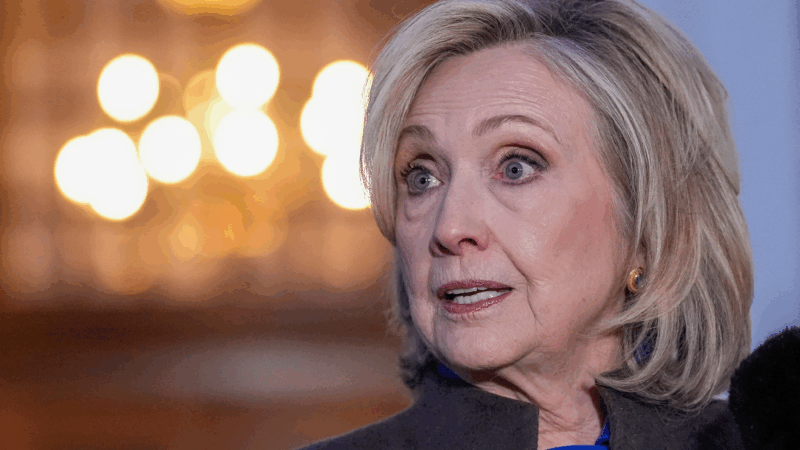
Hillary Clinton calls House Oversight questioning ‘repetitive’ in 6 hour deposition
In more than seven hours behind closed doors, former Secretary of State Hillary Clinton answered questions from the House Oversight Committee as it investigates Jeffrey Epstein.
Chicagoans pay respects to Jesse Jackson as cross-country memorial services begin
Memorial services for the Rev. Jesse Jackson Sr. to honor his long civil rights legacy begin in Chicago. Events will also take place in Washington, D.C., and South Carolina, where he was born and began his activism.

In reversal, Warner Bros. jilts Netflix for Paramount
Warner Bros. says Paramount's sweetened bid to buy the whole company is "superior" to an $83 billion deal it struck with Netflix for just its streaming services, studios, and intellectual property.
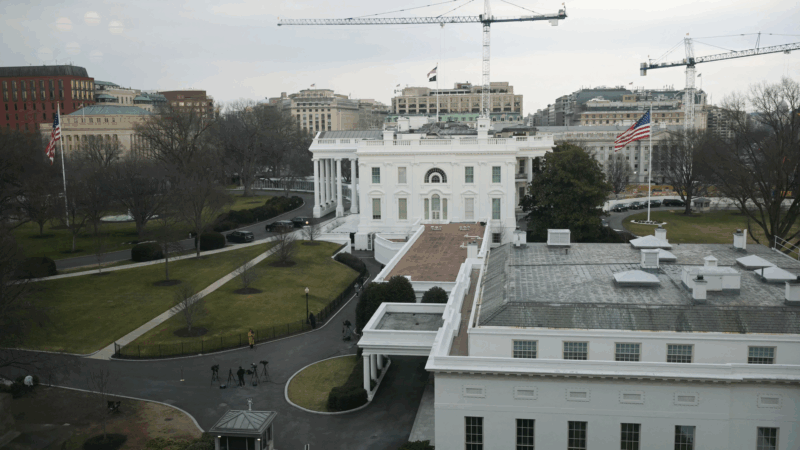
Trump’s ballroom project can continue for now, court says
A US District Judge denied a preservation group's effort to put a pause on construction

NASA lost a lunar spacecraft one day after launch. A new report details what went wrong
Why did a $72 million mission to study water on the moon fail so soon after launch? A new NASA report has the answer.
