
Buddhist monks head to DC to finish a ‘Walk for Peace’ that captivated millions
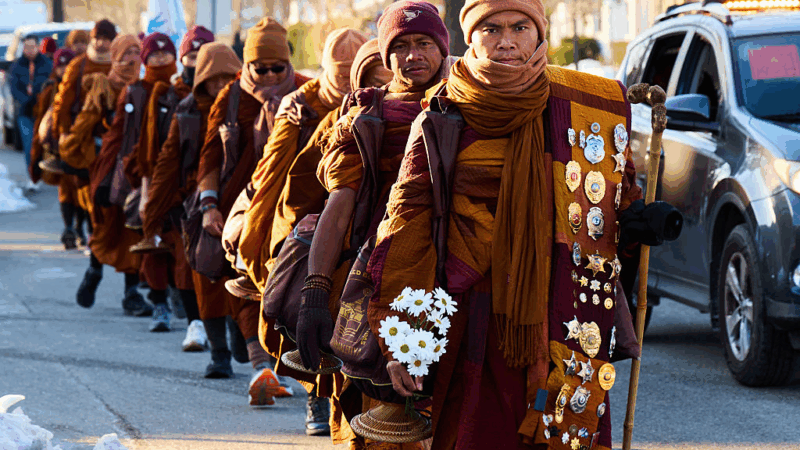
WASHINGTON — A group of Buddhist monks is set to reach Washington, D.C., on foot Tuesday, capping a trek from Texas that has captivated the country.
The monks in their saffron robes have become fixtures on social media, along with their rescue dog Aloka.
They walk to advocate for peace. That simple message has resonated across the U.S. as a welcome respite from conflict and political divisions. Thousands have gathered along Southern roadsides to watch the monks’ quiet, single-file procession that began in late October.
“My hope is, when this walk ends, the people we met will continue practicing mindfulness and find peace,” said the Venerable Bhikkhu Pannakara, the group’s soft-spoken leader who has taught about mindfulness at stops along the way.
The monks plan to mark the last days of their Walk for Peace with outdoor appearances at Washington National Cathedral on Tuesday and the Lincoln Memorial on Wednesday.
“Their long journey and gentle witness invite us all to deepen our commitment to compassion and the work of peace in our communities,” said Washington Episcopal Bishop Mariann Budde, who will help host an interfaith reception for the monks at the cathedral.
The monks have been surprised to see their message transcend ideologies. Millions have followed them online, and crowds have greeted them at numerous venues, from a church in Opelika, Alabama, to City Hall in Richmond, Virginia.
Mark Duykers, a retired mechanical engineer who practices mindfulness, said he and his wife will drive 550 miles (885 kilometers) from Ann Arbor, Michigan, to Washington to see the monks.
“In these divisive times, we saw entire towns in the Bible Belt coming out for these monks — having no idea of what Buddhism is — but being uplifted and moved by it,” he said. “That’s inspirational.”
Nineteen monks began the 2,300-mile (3,700 kilometer) journey from the Huong Dao Vipassana Bhavana Center in Fort Worth on Oct. 26, 2025. They came from Theravada Buddhist monasteries around the globe, led by Pannakara, who is vice president of the Fort Worth temple.
While in the U.S. capital, they plan to submit a request to lawmakers to declare Vesak — Buddha’s birthday — a national holiday. But, Pannakara and others have emphasized that is not the walk’s goal.
Long Si Dong, a spokesperson for the temple, said the walk is neither a political movement nor is it focused on advocacy or legislation.
“It’s a spiritual offering — an invitation to live peace through everyday actions, mindful steps and open hearts,” he said. “We believe when peace is cultivated within, it naturally ripples outward into society.”
The trek has had its perils, and local law enforcement officers have provided security. In November outside Houston, the monks were walking on the side of a highway when their escort vehicle was hit by a truck. Two monks were injured; one had his leg amputated.
Some of the monks, including Pannakara, have walked barefoot or in socks for most of the journey to feel the ground directly and be present in the moment. As they have pressed on through snow and cold, they’ve at times donned winter boots.
Peace walks are a cherished tradition in Theravada Buddhism. Pannakara first encountered Aloka, an Indian Pariah dog whose name means “divine light” in Sanskrit, during a 112-day journey across India in 2022.
The monks practice and teach Vipassana meditation, an ancient Indian technique taught by the Buddha as core to attaining enlightenment. It focuses on the mind-body connection, observing breath and physical sensations to understand reality, impermanence and suffering.
On Tuesday, the monks will complete 108 days of walking. It’s a sacred number in Buddhism, Hinduism and Jainism. It represents spiritual completion, cosmic order and the wholeness of existence.
The monks’ return trip should be less arduous. After an appearance at Maryland’s Capitol, a bus will take them back to Texas, where they expect to arrive in downtown Fort Worth early on Saturday.
From there, the monks will walk together again, traversing 6 miles (9.6 kilometers) to the temple where their trip began.
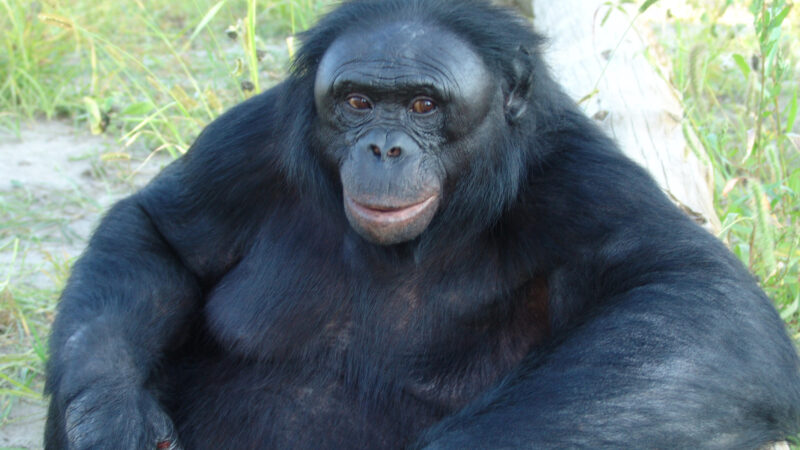
An ape, a tea party — and the ability to imagine
The ability to imagine — to play pretend — has long been thought to be unique to humans. A new study suggests one of our closest living relatives can do it too.
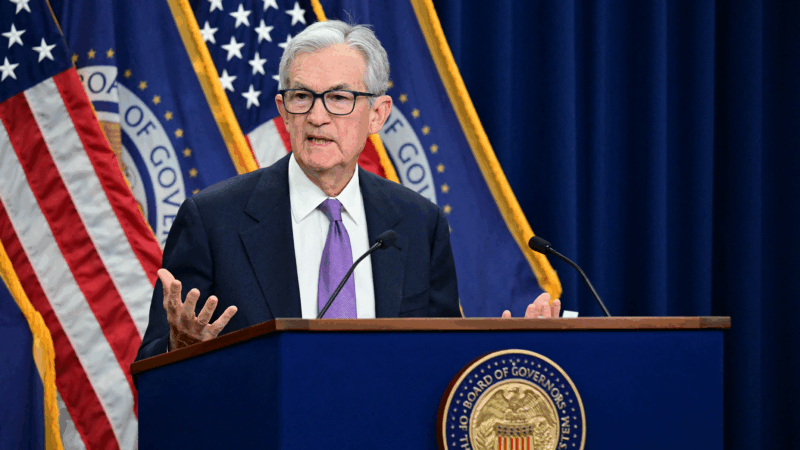
How much power does the Fed chair really have?
On paper, the Fed chair is just one vote among many. In practice, the job carries far more influence. We analyze what gives the Fed chair power.
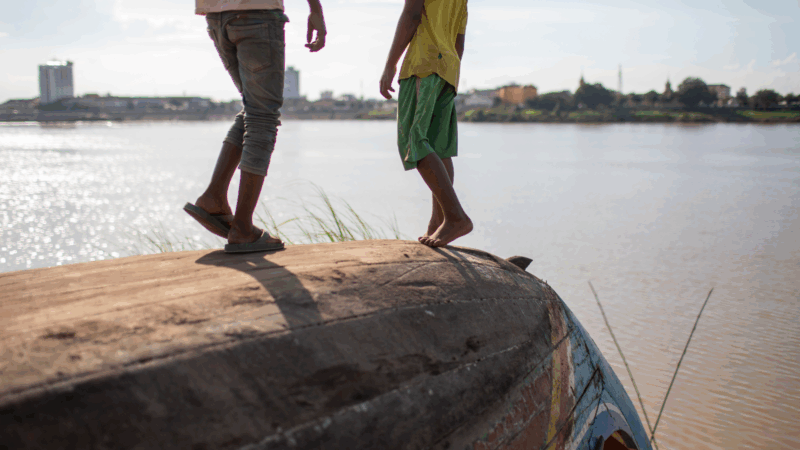
‘Please inform your friends’: The quest to make weather warnings universal
People in poor countries often get little or no warning about floods, storms and other deadly weather. Local efforts are changing that, and saving lives.
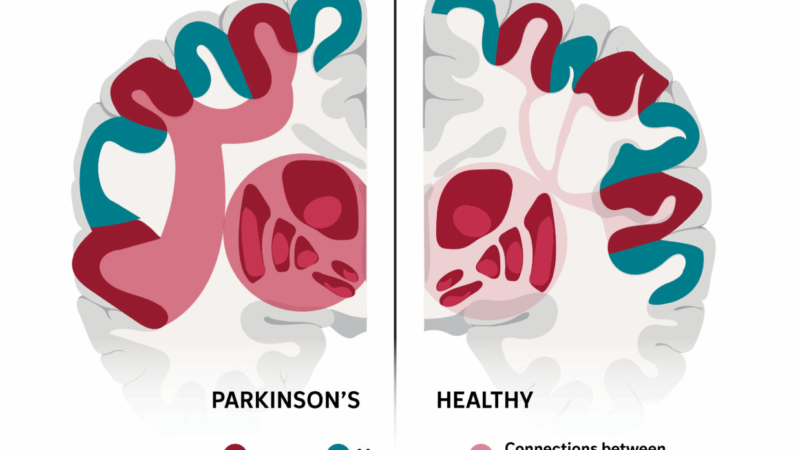
This complex brain network may explain many of Parkinson’s stranger symptoms
Parkinson's disease appears to disrupt a brain network involved in everything from movement to memory.
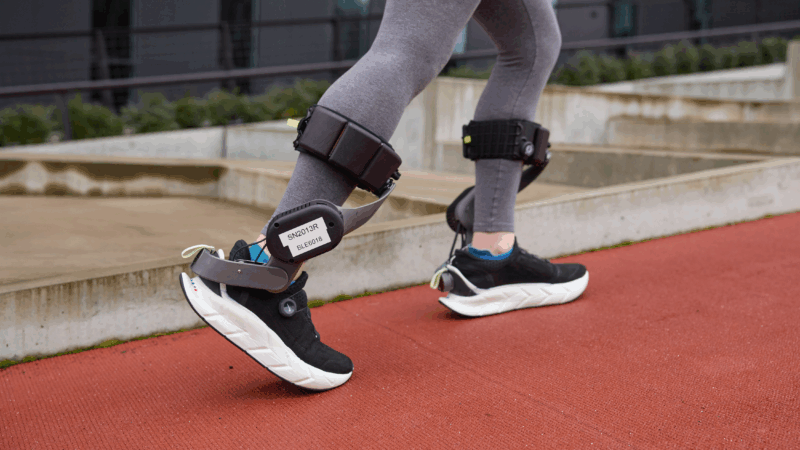
‘E-bike for your feet’: How bionic sneakers could change human mobility
Nike's battery-powered footwear system, which propels wearers forward, is part of a broader push to help humans move farther and faster.
Immigration officials to testify before House as DHS funding deadline approaches
Congressional Democrats have a list of demands to reform Immigration and Customs Enforcement. But tensions between the two parties are high and the timeline is short – the stopgap bill funding DHS runs out Friday.
