
Boo to spooky chocolate prices! It’s the year of chewy, fruity Halloween treats
NPR’s series Cost of Living: The Price We Pay is examining what’s driving price increases and how people are coping after years of stubborn inflation. How are higher prices changing the way you live? Fill out this form to share your story with NPR.
What’s the item?
Candy
How has the price changed since before the pandemic?
The price of chewing gum and candy has risen 38% since February 2020, according to the Bureau of Labor Statistics.
Why has the price gone up?
The cost of chocolate’s main ingredient — cocoa — has nearly doubled since the beginning of last year, hitting historic records again and again.
That’s because harvests of cocoa have come up short for three years straight. The vast majority of the world’s cocoa beans grow in West Africa, where farmers have dealt with extreme weather, changing climate patterns and disease in their aging trees.
What are people doing about it?
All the major chocolate brands have raised their prices, including Nestlé, Lindt, Hershey and Mars, which makes M&Ms, Snickers and Twix.
And they’re resorting to tricks to make their treats, says David Branch, who tracks the cocoa market at Wells Fargo’s Agri-Food Institute.
“We’re seeing a lot more fillers going in,” Branch says. “They’re putting more nuts, less chocolate, keeping the price the same, just reducing the amount of cocoa cost.”
Reese’s makes a Halloween-themed peanut butter cup called “White Ghost” that’s dipped in “white creme” instead of chocolate. KitKat’s Halloween flavors include cinnamony “Ghost Toast” and marshmallowy green-colored “Witch’s Brew,” both very light on cocoa.

And shoppers like Stephanie Espinosa are noticing another tactic.
“The bags for chocolate are definitely smaller now and there’s less pieces,” says Espinosa, whose town of Babcock Ranch, Fla., takes Halloween very seriously, with palm trees sprouting glowing eyeballs and ghosts haunting yards and porches.
Shrinkflation has taken a gnarly bite out of Espinosa’s budget, as she and her husband — in their best pirate chic — expect to “Ahoy!” at hundreds of trick-or-treaters. At that scale, chocolate prices hit with much more of a fright.
And many shoppers feel that way. Enter: gummy, sour, fruity options.
“The mixed bags are definitely — you can see that there’s less of the chocolate pieces in the mixes and more like SweeTARTS or gummies or things like that,” says Espinosa, who begrudgingly switched to more affordable Tootsie Roll bags for this Halloween.
Sales of non-chocolate candy have been growing much faster than those of chocolate in recent years. Retail data firm Circana finds that people are still spending more dollars on chocolate treats, but they’re buying fewer of them.
Overall, Halloween is still a splurgy holiday. The National Retail Federation forecasts that spending might surpass the 2023 record with an estimated $114.45 per shopper, as people see the higher prices but choose to let the ghoul times roll.
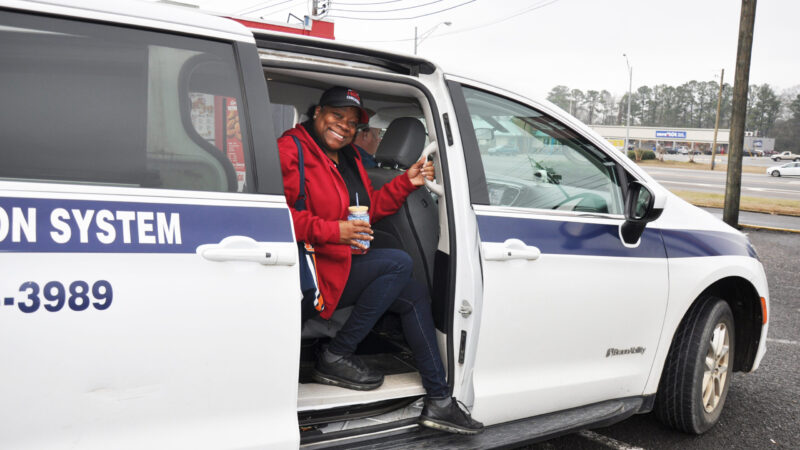
Lack of transportation keeps many Alabamians from working. Rural public transit programs are trying to help
While lack of transportation is a major employment barrier in Alabama, few people take public transit to work. That dynamic is even more pronounced in rural areas.

When a horse whinnies, there’s more than meets the ear
A new study finds that horse whinnies are made of both a high and a low frequency, generated by different parts of the vocal tract. The two-tone sound may help horses convey more complex information.
Hundreds of American nurses choose Canada over the U.S. under Trump
More than 1,000 American nurses have successfully applied for licensure in British Columbia since April, a massive increase over prior years.
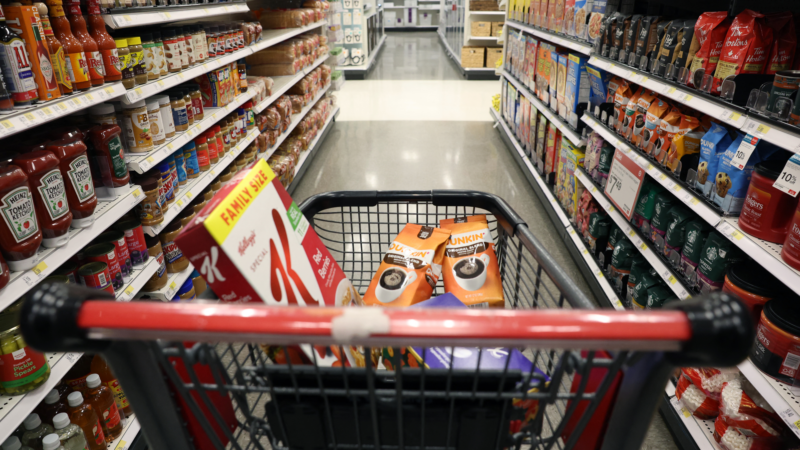
Trump’s many tariff tools mean consumer prices won’t go down, analysts say
The Supreme Court struck down President Trump's signature tariffs. But the president has other tariff tools, and consumers shouldn't expect cheaper prices anytime soon, economists say.
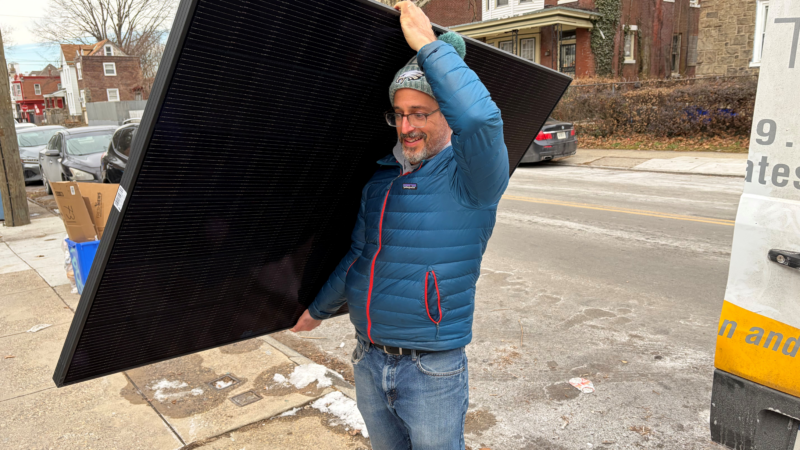
Tax credits for solar panels are available, but the catch is you can’t own them
Rooftop solar installers are steering customers toward leases instead of purchases. Federal tax credits for purchased systems have ended but are still available for leased ones.
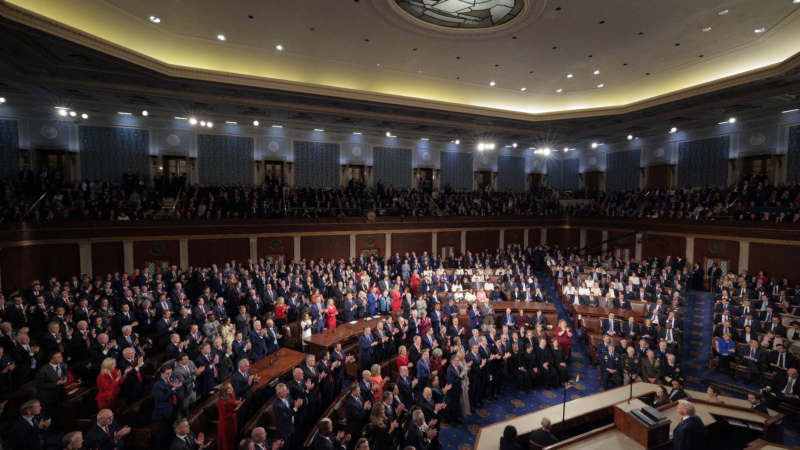
5 takeaways from Trump’s State of the Union address
President Trump hit familiar notes on immigration and culture in his speech Tuesday night, but he largely underplayed the economic problems that voters say they are most concerned about.
