
Billowing smoke from Canadian wildfires wafts into the U.S.
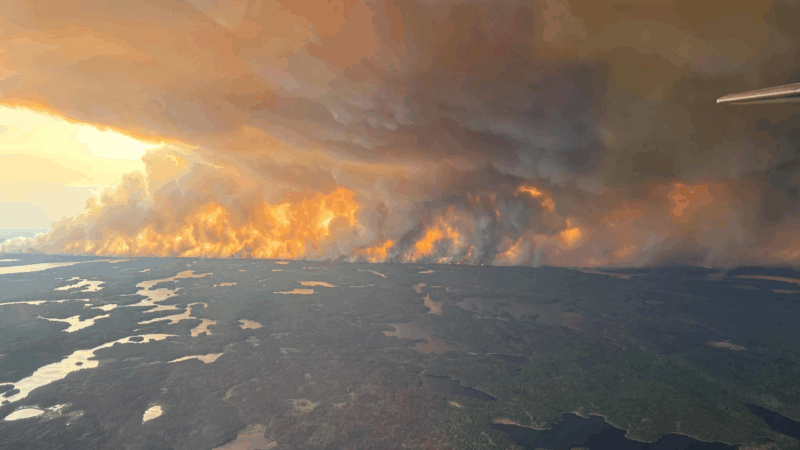
Thick, billowing clouds of smoke are sweeping south from wildfires ravaging the central Canadian province of Manitoba into parts of the United States, compromising air quality for millions of Americans across several northern states.
The Manitoba wildfires have forced 17,000 people to flee the province, according to Manitoba Premier Wab Kinew, who called the evacuation the largest in recent history.
“With the wildfires in northern Manitoba intensifying, our government has triggered a provincewide state of emergency to help us through this crisis,” Kinew said in a statement on Wednesday.
The state of emergency will last 30 days and can be extended as needed.
“This is the largest evacuation Manitoba will have seen in most people’s living memory.”
As the out-of-control blazes continue to ravage the province’s prized wildlands, heavy clouds of smoke from the fires are making their way into the United States.
Meteorologists report that the smoke will waft into the Northern Plains and Midwest. The states most heavily impacted — Wisconsin, Michigan and Minnesota — have all issued air quality alerts for their residents.
Alerts in Wisconsin and Michigan counties are in effect until Saturday, with both states warning that the quality of air will become unhealthy for sensitive groups, including children, anyone with respiratory issues and older people.
In Minnesota, where the entire state is under alert for compromised air quality, the state’s Pollution Control Agency warned that air quality was expected to reach the red category — impacting both sensitive groups and some members of the general public. The Minnesota alert is in effect until Monday.
Recent studies have underscored the health dangers of breathing in wildfire smoke. This week, an analysis published in the journal Epidemiology found that the risk of going to the hospital for cardiorespiratory problems like hypertension or heart attack rose for months after exposure to smoke — showing that the health effects can linger long after the fires themselves have been put out.
This crop of wildfires has struck an already fire-weary nation, after two consecutive years of some of the most destructive wildfires on record.
The deadly 2023 wildfire season was the worst in Canada’s history, affecting all 13 of the country’s provinces. In 2024, while still dealing with fires carried over from the previous year, the nation fared only slightly better, experiencing its worst outbreak of wild blazes since 1995, excluding 2023.
Like in 2023, the impacts of the wildfires aren’t confined to Canada. Wildfire smoke is pouring over the border into the U.S., impacting air quality and health hundreds of miles from the fires themselves.
The U.S. has also battled increasingly devastating wildfires over recent years as climate change has made larger wildfires more likely and more intense.
Earlier this year, a deadly blaze ripped through Los Angeles for the month of January, killing at least 29 people and destroying more than 12,000 homes and buildings.
NPR’s Alejandra Borunda contributed to this report.
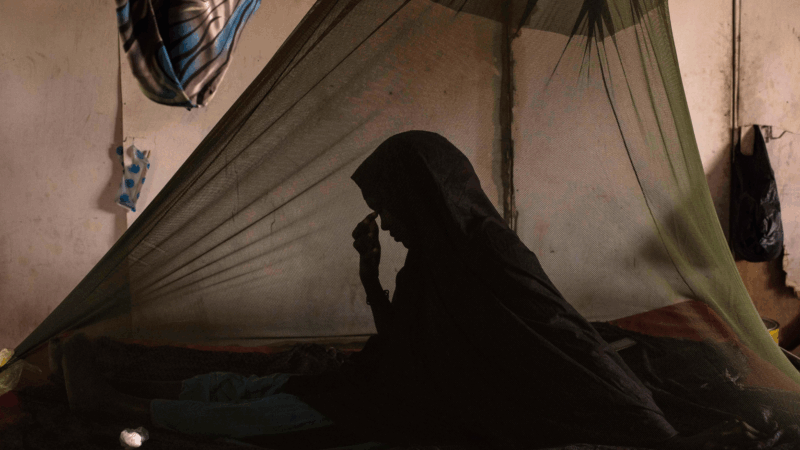
TB or not TB? That is the question
A new study in "Nature Medicine" estimates 2 million people are incorrectly told they have TB each year — and clinicians miss diagnosing TB in 1 million people. Why so many misdiagnoses?

From Jesus to Jurassic Park: This year’s Super Bowl ads are playing it safe
Early Super Bowl spots show advertisers want lots of buzz but not controversy.
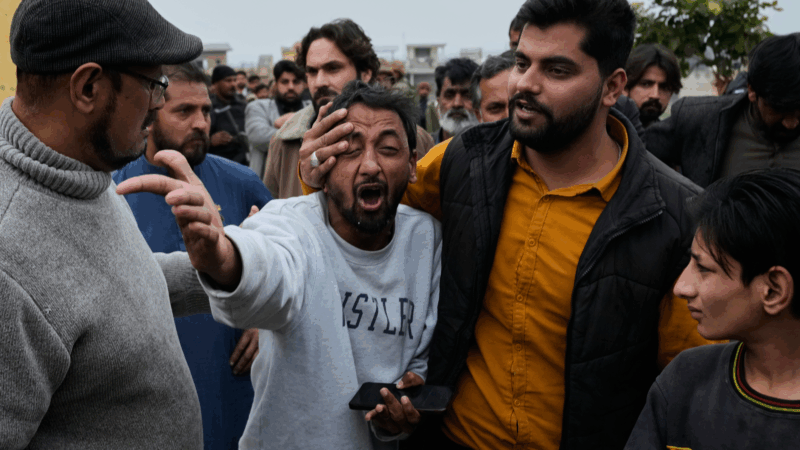
Suicide bombing at a Shiite mosque on Islamabad’s outskirts kills at least 31
It was a rare attack in the capital of Pakistan as its Western-allied government struggles to rein in a surge in militant attacks across the country.

Court records: Chicago immigration raid was about squatters, not Venezuelan gangs
In the documents the Department of Homeland Security said the raid "was based on intelligence that there were illegal aliens unlawfully occupying apartments in the building." There is no mention of criminal gangs or Tren de Aragua.

What does the CIA not want you to know? The quiz has the secret
Plus: ambiguous mascots, rodents with hard-to-spell names, and three boring photos of buildings.
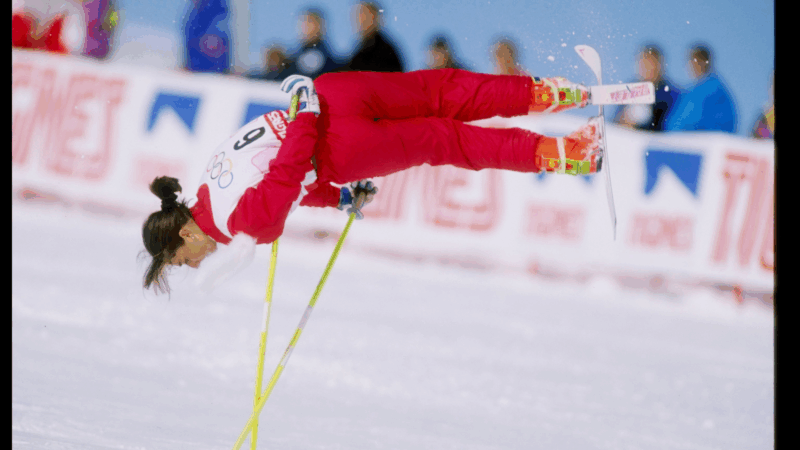
Dog sled, ski ballet and other sports you could once see at the Winter Olympics
For many decades, Olympic Games included "demonstration sports." Some, like curling, became part of the permanent roster. But others, like skijoring, didn't stick around.
