
Big brands are officially worried about American shoppers
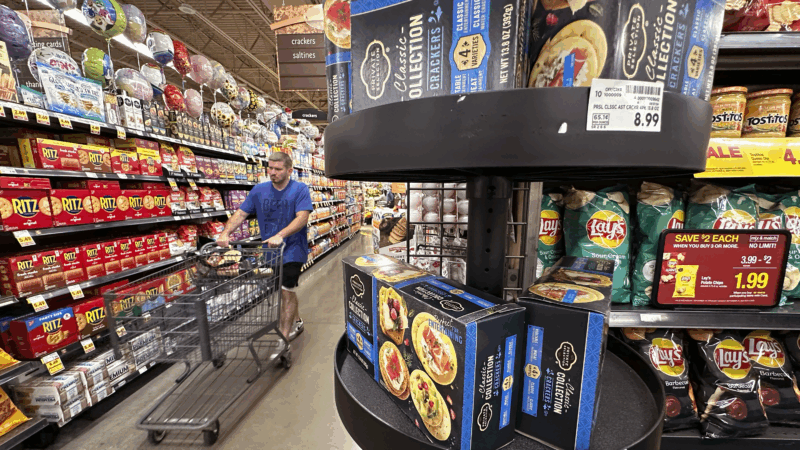
The companies that make our food and home essentials are officially sounding alarms about what lies ahead for the U.S. shopper.
“Relative to where we were three months ago, we probably aren’t feeling as good about the consumer now,” PepsiCo’s Chief Financial Officer Jamie Caulfield told investors on a call Thursday.
The largest consumer conglomerates are cutting their financial forecasts for the year, predicting lower sales and profits than before. That includes Pepsi (which also owns Frito-Lay and Quaker Oats), Kimberly-Clark (which makes Kleenex, Huggies and Scott toilet paper) and Procter & Gamble (which makes Tide, Pampers and Charmin).
This is the first wave of corporate earnings reports since President Trump imposed 145% tariffs on Chinese goods and a 10% tariff on all global imports earlier this month. A 25% tariff on imported aluminum also affects companies that need a lot of cans or foils.
Until recently, most consumer giants stuck to the word “uncertainty” to describe the future. Now, they’ve begun offering more specifics.
Kimberly-Clark estimates that the trade war will add $300 million in new costs for the company. Procter & Gamble warned it may raise prices to offset new expenses. Chipotle saw anxious shoppers cut back on burrito bowls.
“In February, we began to see that the elevated level of uncertainty felt by consumers was starting to impact their spending habits,” Chipotle CEO Scott Boatwright told investors on Wednesday. “We could see this in our visitation study, where saving money because of concerns around the economy was the overwhelming reason consumers were reducing the frequency of restaurant visits.”
Many consumer giants rely on China for packaging, materials and other parts of their supply chain. Those who make products in the U.S. now face reciprocal tariffs on American goods imposed by foreign government in retaliation.
“Uncertainty creates a pensive and anxious consumer,” Colgate-Palmolive CEO Noel Wallace said on Friday’s earnings call. “And when you have uncertainty in terms of macroeconomics and everything surrounding that, consumers tend to hunker down and they’re very cautious about the outlook.”
He pointed to the travel industry, where Delta and American Airlines have flagged people tightening their trip budgets. And eventually, Wallace said, shoppers reconsider all kinds of spending.
“You’ll see consumers destock their pantries and not necessarily buy that extra tube or that that extra body wash as they see obviously a very volatile external environment,” Wallace said. Colgate-Palmolive sales dropped 3.6% in North America between January and March.
He forecast that spending on everyday needs will recover over the course of this year and into 2026, “at a pace that is consistent with the consumer confidence levels.”
A key consumer-sentiment survey by the University of Michigan, updated on Friday, found a steep decline in how people feel about the future of the U.S. economy. In April, sentiment fell 8% compared to March and 32% compared to January. Across political affiliations, more people said they expected their own personal finances to degrade and inflation to rise this year.
In March, inflation continued to ease with consumer prices rising just 2.4% from a year ago and actually falling slightly from February. Gas prices had declined, and so did airline tickets and used cars.
Retail sales are a key element of the U.S. economy. And in the lead-up to tariffs, March actually saw a big jump in retail spending — driven by people purchasing cars and big-ticket items before any tariff-related price increases. Economists have noted that a long stretch of low unemployment and rising incomes have helped Americans keep shopping.
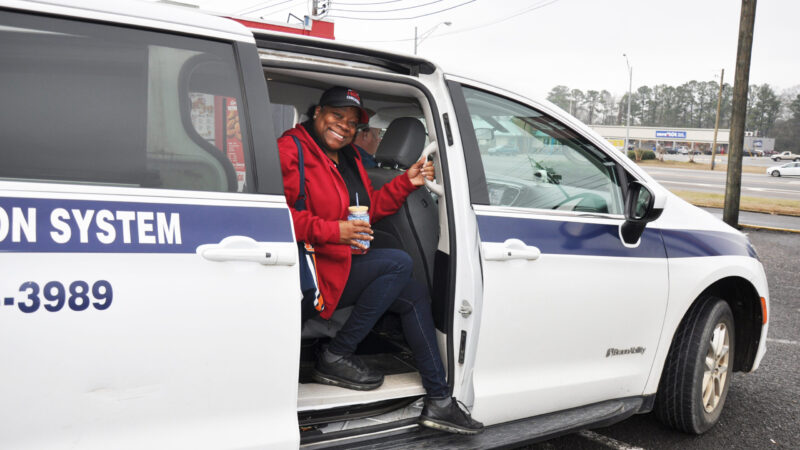
Lack of transportation keeps many Alabamians from working. Rural public transit programs are trying to help
While lack of transportation is a major employment barrier in Alabama, few people take public transit to work. That dynamic is even more pronounced in rural areas.

When a horse whinnies, there’s more than meets the ear
A new study finds that horse whinnies are made of both a high and a low frequency, generated by different parts of the vocal tract. The two-tone sound may help horses convey more complex information.
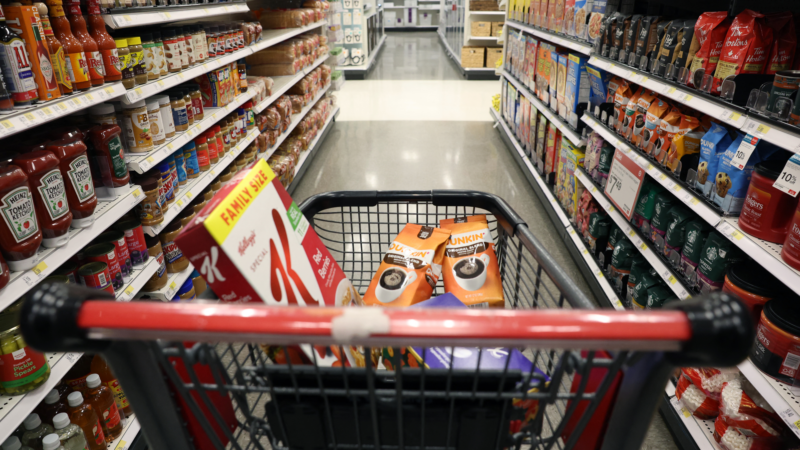
Trump’s many tariff tools mean consumer prices won’t go down, analysts say
The Supreme Court struck down President Trump's signature tariffs. But the president has other tariff tools, and consumers shouldn't expect cheaper prices anytime soon, economists say.
Hundreds of American nurses choose Canada over the U.S. under Trump
More than 1,000 American nurses have successfully applied for licensure in British Columbia since April, a massive increase over prior years.

Tax credits for solar panels are available, but the catch is you can’t own them
Rooftop solar installers are steering customers toward leases instead of purchases. Federal tax credits for purchased systems have ended but are still available for leased ones.
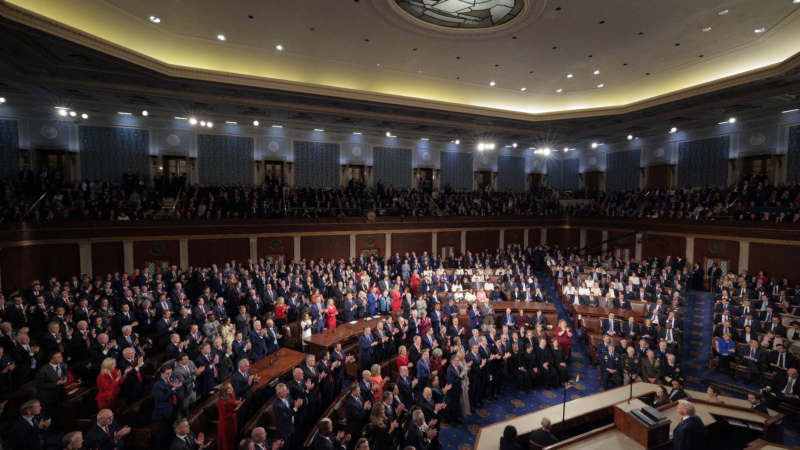
5 takeaways from Trump’s State of the Union address
President Trump hit familiar notes on immigration and culture in his speech Tuesday night, but he largely underplayed the economic problems that voters say they are most concerned about.
