
Australia approves vaccine to protect koalas from chlamydia
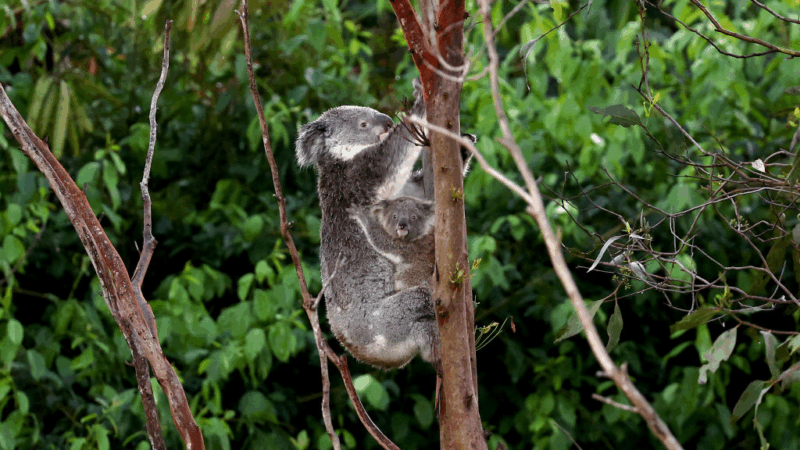
A vaccine has been approved to help protect koalas against chlamydia, a measure researchers are hailing as a world-first in fighting the disease that is a leading cause of death for the beloved marsupials.
Researchers at the University of the Sunshine Coast (UniSC) in Australia said Wednesday it took more than 10 years to develop a single-dose vaccine that does not require a booster that it hopes will aid in “reducing the rapid, devastating spread of this disease.”
“Some individual colonies are edging closer to local extinction every day, particularly in South East Queensland and New South Wales, where infection rates within populations are often around 50 percent and in some cases can reach as high as 70 percent,” Peter Timms, a microbiology professor at the university who led the research team, said in a statement.
Chlamydia in koalas can cause blindness and lead them to starve to death because they cannot locate trees to climb for food, according to Koala Conservation Australia. It can also cause infertility and damage a koala’s bladder to the point where the inner wall becomes inflamed and the marsupial passes blood, the organization said.
The disease occurs in koalas multiple ways, including through mating, infected discharges and at birth. Baby koalas, known as joeys, can also catch chlamydia by eating pap, a substance produced by a mother that’s similar to feces, if their mother is infected.
Antibiotics have been used to treat the disease but it is not always effective and does not prevent future infections, according to the university. Antibiotics can also lead to gastrointestinal side effects that could hinder koalas’ ability to digest eucalyptus leaves, which are the animals’ main food source. Depending on the severity of the chlamydia and if it has progressed too far, euthanasia may be an only option.
That’s why scientists are optimistic about the vaccine.
Sam Phillips, a senior researcher at the UniSC, said the vaccine has been tested on hundreds of wild koalas and koalas in captivity.
“It’s based on Chlamydia pecorum’s major outer membrane protein (MOMP), and offers three levels of protection – reducing infection, preventing progression to clinical disease and, in some cases, reversing existing symptoms,” Phillips said in a statement.
The study led by Phillips that published last year found that the vaccine reduced signs of chlamydia during a koala’s breeding age and decreased death from the disease by 64%.
The university said the vaccine has been approved for production and widespread use by the Australian Pesticides and Veterinary Medicines Authority (APVMA).
The agency told NPR it approved a permit authorizing use of the vaccine in koalas in June that runs through June 2027.
Iranian civilians are now fleeing the relentless bombing for neighboring Turkey
As the U.S. military broadens its strikes in Iran, traumatized Iranians are reaching the border with Turkey.

A split Senate votes against measure to constrain Trump’s authorities in Iran
Democrats in the Senate were facing an uphill climb Wednesday in their push to restrain President Trump's ability to wage war against Iran.
WATCH: How traffic dried up in the Strait of Hormuz since the Iran war began
The effective closure of the Strait of Hormuz is "about as wrong as things could go" for global oil markets. Iran achieved it not with a naval blockade, but with cheap drones.
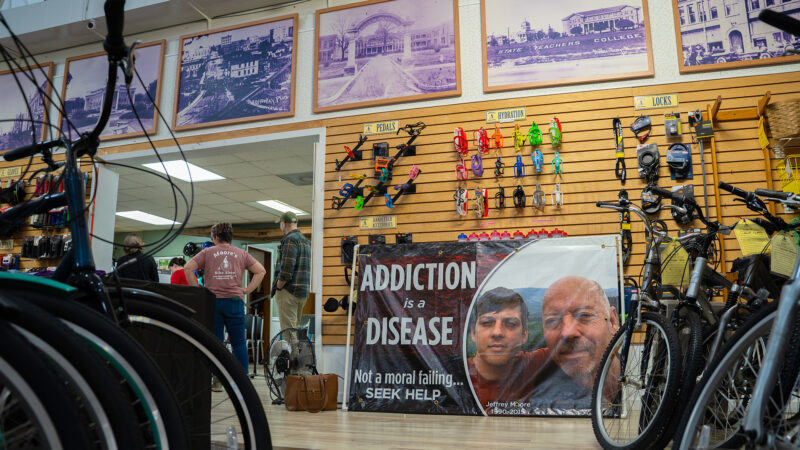
As Mississippi waits to spend opioid settlement funds, children and families suffer
Mississippi will receive more than $400M to fight the opioid epidemic. So far, officials haven't directed it toward programs that support addiction recovery.

Alabama’s new state climatologist takes the reins
The controversial John Christy is retiring as Alabama’s state climatologist. Lee Ellenburg now assumes the role and is already making a few changes, including declaring that climate change is real and caused by humans.
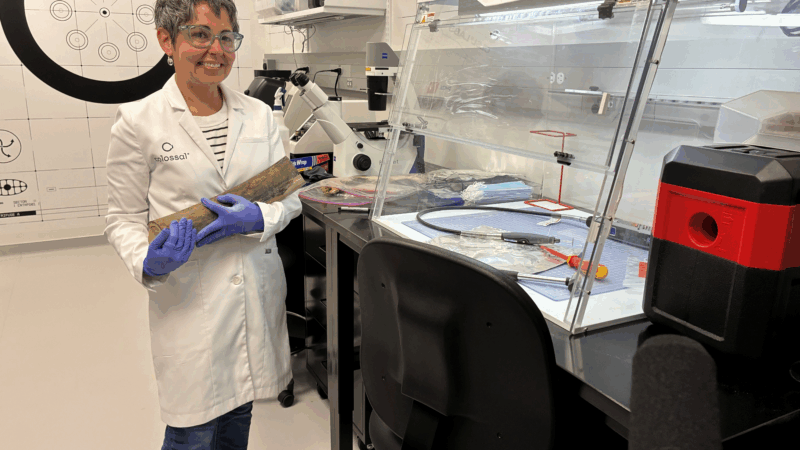
Colossal Biosciences breeds controversy while trying to revive mammoths
A Texas biotech company is trying to bring mammoths and other extinct creatures back to life. The science is as intriguing as the ethical questions are thorny.
