
At the Winter Paralympics, some athletes have found business opportunities
PARK CITY, Utah — At the Winter Paralympics in Milan and Cortina, some athletes use prosthetics. But, because every person’s body is different, competitors sometimes need to modify or design their own specialized equipment to fit their own disability. And some athletes are entering the business of prosthetics.
Zach Williams is a U.S. para alpine skier who missed these Games due to injury. He was already a licensed prosthetist when he was introduced to his sport, skiing in a seated position. After a double amputation, he’s walked on prosthetics since age two.
“I just knew the difference between something that’s really made for me and fits, and something that’s just off the shelf,” said Williams.
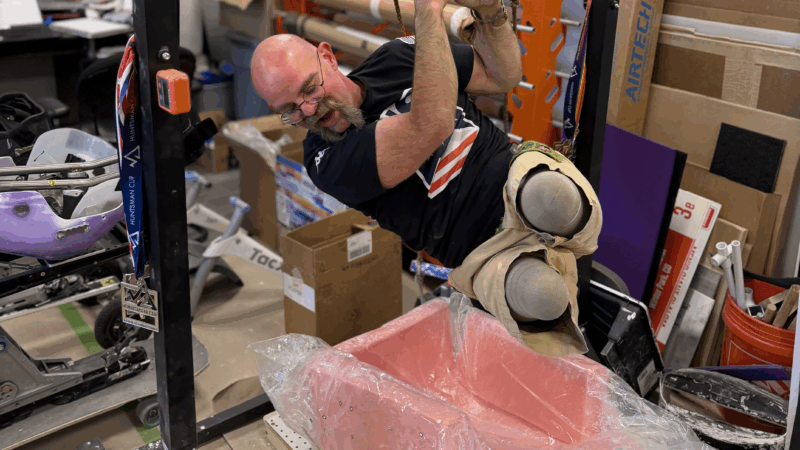
Looking for a more custom seat for his ski rig, Williams applied his expertise in mold making for prosthetic legs to the bucket seat of his sit-ski. He wants a precise contoured fit that doesn’t need additional padding. Foam padding, he explains, can impede the transfer of energy from the athlete to the snow.
“It’s like driving your car with the tires underinflated, right? You’re gonna turn the wheel, but it just feels a little soft and squishy. It’s not gonna respond right away.”
Williams gets that snug fit for himself and others by creating a mold of their lower body in his shop in Park City, Utah. Then he builds the rigid seat around it with layers of carbon fiber and other fabrics that harden with epoxy. He also used fiberglass and strategically-placed strips of Kevlar.
While Williams is concerned with rigidity and response, Paralympic snowboarder Mike Schultz is focused on suspension. Schultz was raised on a small family farm, and when his leg was amputated after a snowmobile racing accident, he realized his upbringing gave him a certain perspective.
“If nobody makes it, can I make it myself? Can I make it better?,” he wondered.
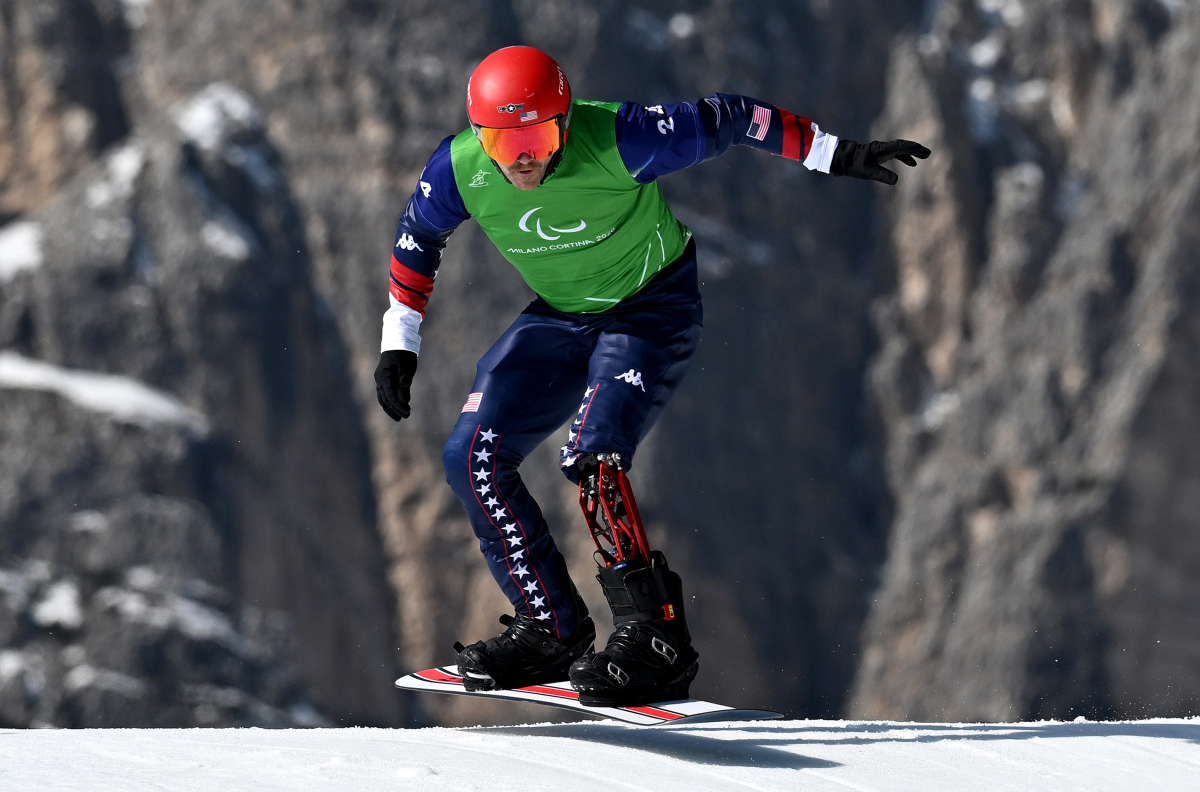
After his amputation, Schultz wanted to get back into high-impact sports, and couldn’t find a prosthesis that could handle it. Then he remembered working on farm equipment and tuning the suspension components on his snowmobiles. “Basically, I’m just building suspension for my body, my leg,” he said.
He created a specialized knee for himself and founded his company, BioDapt, in 2010. The company makes knees and feet for sports, including snowboard cross, where athletes race head-to-head. As a veteran in the sport, Schultz loves seeing competitors in his equipment.
“The coolest thing ever is when I pull into the start gate and I look across, and they’re all using equipment I just assembled for them in my shop.”
Whether or not Schultz ultimately medals at these Winter Paralympics, he said, “either way, I’m winning because you know the equipment we develop here at my company is helping other athletes from around the world compete at the highest level.”
More than two dozen athletes are using his components in Milan and Cortina. To work well, these parts need to be fitted, just right.
Ronnie Dickson, another amputee and prosthetist, uses Shultz’s components in his Chattanooga, Tenn. clinic. He explained how a socket should fit on an athlete’s lower leg. If you are snowboarding, he said, “you might be in a squat so deep that your butt’s almost touching the floor. So we need to make sure the socket is not impeding any of those range of motions.”

Dickson is also a rock climber and is working with several athletes hoping to compete in the sport’s Paralympic debut at the 2028 Summer Games. In his workshop, he uses a giant sanding belt to shape the edges of a leg socket.
Over the hum of the sanding belt, Dickson said, “Over here, we have what’s essentially a giant Dremel, so then I can use different cones to polish the edges or maybe get inside of a socket and do some grinding.”
He said all the components need to fit an athlete’s unique amputation, “because when it does, you know you can get into a slew of climbing techniques that are advanced. And you can do all of that with a prostheses, if your mind is open to it.”
Dickson has retired from competition climbing. But, he’ll be at the Los Angeles Summer Paralympics in two years, he said, cheering for those pushing the sport to its highest level.

Bill would move Alabama to closed primaries
Right now, any Alabama voter can participate in a primary election. Lawmakers in Montgomery took up a bill this week that would change that system.
4 confirmed dead after U.S. military aircraft goes down in Iraq
The U.S. Central Command confirmed that at least four of six crew members on the KC-135 aircraft were dead, after the refueling plane went down in western Iraq on Thursday.

It’s Chalamet vs. ballet in this week’s news quiz. Are your answers en pointe?
Meanwhile, if you've been paying attention to medicine, basketball and the British Parliament, you'll get at least three questions right this week.
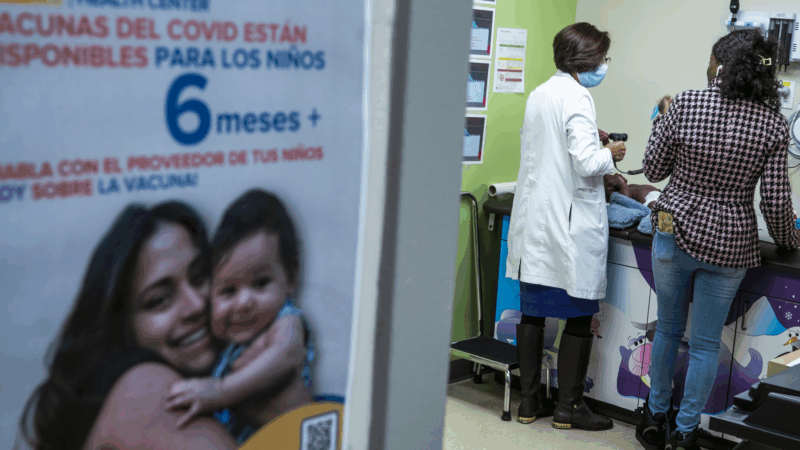
Medicaid can share data with ICE. Here’s how that 180-degree change spreads fear
When Medicaid began sharing personal data with federal immigration authorities last year, it upended decades of explicit promises to patients. Now, even eligible immigrants fear getting the health coverage.
Trump wants more apprenticeships. An Arkansas manufacturer is giving it a try
President Trump has touted apprenticeships as part of his promise of a golden era for American workers. But are his administration's investments enough?
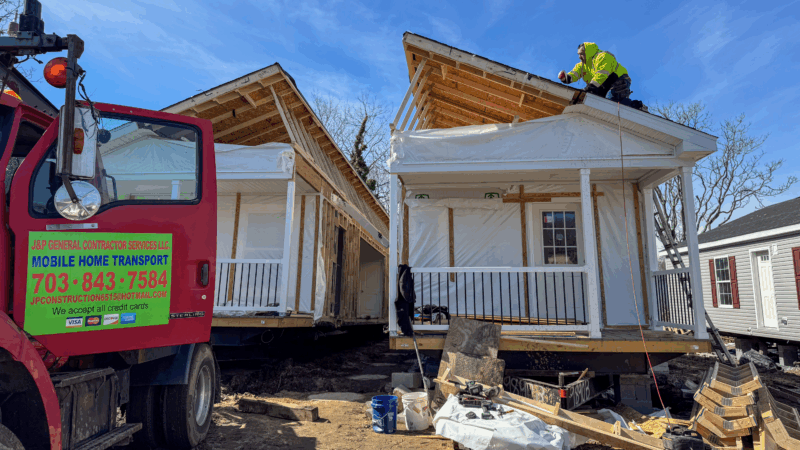
Bucking stigma, more places turn to factory-built for affordable housing
Mobile homes have long been zoned out of cities and suburbs. But with updated designs and a housing shortage, they're increasingly being welcomed as more-affordable starter homes.
