
As the U.S. bids adieu to the World Health Organization, California says hello
At 5 a.m. California time, when it is still dark outside, a member of the state’s Department of Public Health gets on a weekly call.
The topic? Health emergencies all over the world.
For years, the U.S. federal government participated in these calls, which are organized by the World Health Organization. Now — as the Trump Administration says it has withdrawn from WHO over its handling of COVID, among other things — California is stepping in.
It is the first state to join WHO’s Global Outbreak Alert & Response Network, also known as GOARN. Dr. Erica Pan, director of the California Department of Public Health, says she’s been in touch with other states hoping to follow suit. Illinois, in a press release, said it’s “making preparations” to join.
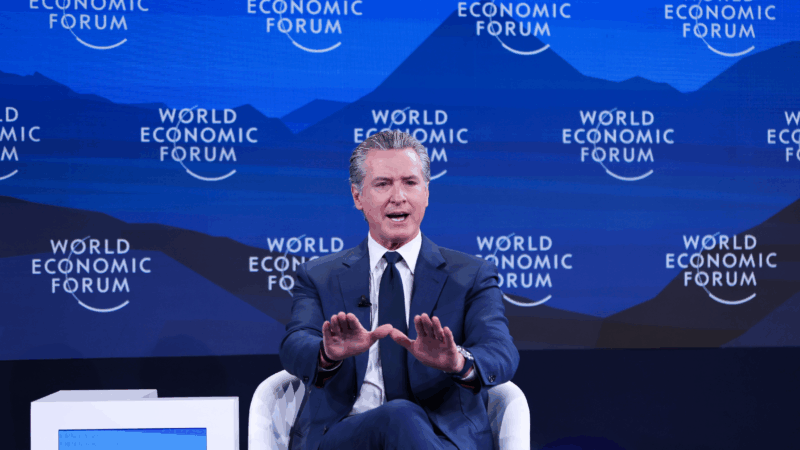
“The Trump administration’s withdrawal from WHO is a reckless decision that will hurt all Californians and Americans,” said California Governor Gavin Newsom in a statement. “California will not bear witness to the chaos this decision will bring.”
This move by states to take things into their own hands is part of a broader trend, according to Dr. Gavin Yamey, a professor of global health and public policy at Duke University.
“I think this is a very smart and savvy play,” says Yamey. “The federal government has reneged on its public health protection responsibilities, and you’re seeing states taking steps so they still are part of the international response to outbreaks and emerging threats.”
Not quite a member but still a participant
That doesn’t mean California, for example, could become a full-fledged WHO member. Many forums and meetings hosted by WHO are limited to member states — meaning national governments. But some parts of WHO, like GOARN, are open to a broader array of groups, including non-profit and multinational organizations, academic centers and different levels of governments. Like American states.
GOARN is made up of over 350 such groups that work together to detect and respond to infectious disease outbreaks and public health emergencies. The network was created in 2000 after leaders realized that a lack of coordination was hindering outbreak response. Since its creation, GOARN has helped organize, analyze and respond to emergencies like SARS, Ebola and mpox.
Members of GOARN participate in weekly calls, get regular outbreak updates – and also get access to WHO Epidemic Intelligence from Open Sources platform, which “is continuously scanning global open sources for signals of outbreaks and health events,” says Pan. “We’re just now getting training and onboarding.”
Pan says participating in the network and platform brings better awareness of global health threats — and lets the state respond accordingly. “[It] helps us anticipate threats earlier,” says Pan, noting a drop-off in federal health guidance, including the lack of a national flu vaccination campaign this flu season.
Indeed, the U.S. federal government has said it does not plan to continue participating in groups like GOARN. In a statement sent to NPR earlier this month, the U.S. State Department wrote: “The United States will not be participating in regular WHO-led or managed events.”
“Charting its own course”
Instead, the U.S. is taking a different approach, pursuing health and aid agreements directly with individual countries. These agreements often include sharing disease outbreak information.
“The United States is charting its own course on global health engagement, grounded in accountability, transparency, and the expertise of America’s public health institutions,” said a statement from the U.S. Department of Health and Human Services to NPR. “States do not set U.S. foreign policy.”
Not everyone agrees with this stance.
Some conservative voices have urged the U.S. to continue participating in certain WHO forums, particularly those that provide information, data and assessments for emerging infectious disease outbreaks. For example, Brett Schaefer — a senior fellow at the right-leaning thinktank, the American Enterprise Institute — said, even as the U.S. withdraws from WHO, the U.S. should continue to participate in initiatives like the Epidemic Intelligence from Open Sources platform “to make sure that you have full, robust access to the information.”
This type of international platform would be “a very difficult thing for the U.S. to replicate or to try and build outside of the World Health Organization — also [it’d be] somewhat inefficient,” says Schaefer.
However, he said over email that the jury is still out on California’s decision to join GOARN. “It’s interesting but unclear at this point,” he wrote, noting that WHO has not clarified California’s status. He added: “It also could just be a PR stunt by Newsom.”
WHO did not respond to NPR’s requests for comment on California’s participation in GOARN or any other parts of WHO as well as on other states that have reached out to join.
This new model does have a potential downside — a split between states that join part of WHO and states that don’t, says Yamey: “You could end up having this awful, tragic divide” where some state leaders have access to better, more up-to-date outbreak information for making public health decisions than leaders in other states, he says.
Pan says California is hoping to partner with other states that don’t join GOARN. “Our intent is really to — acknowledging that we are the biggest state with the largest state health department — step up and provide some leadership.”
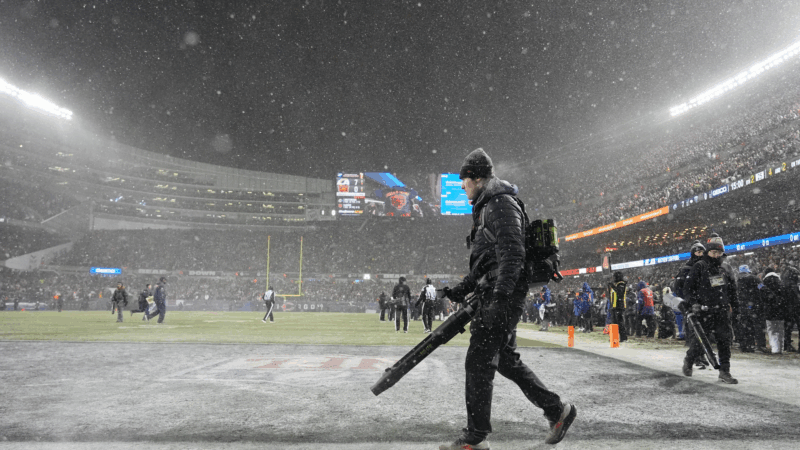
Why the Chicago Bears could be moving to Indiana
While Illinois is trying to keep the team in Chicago's suburbs, Indiana lawmakers are offering a plan to finance a new stadium
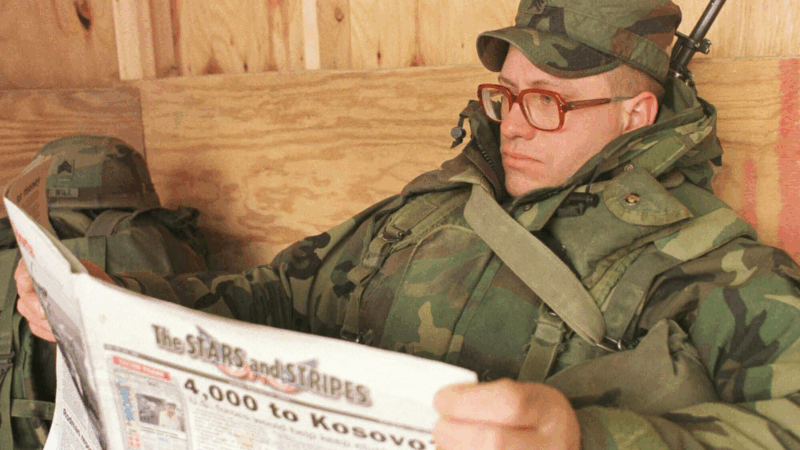
Pentagon tightens controls over Stars and Stripes after calling it “woke”
The new rules for the independent military newspaper are the Defense Department's latest effort to put extraordinary restrictions on journalists covering the agency.
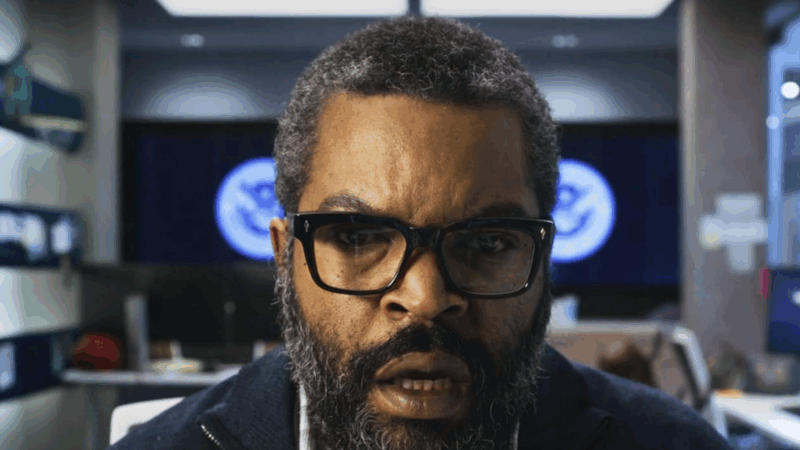
‘War of the Worlds’ remake sinks to the bottom at this year’s Razzie Awards
The surveillance industry version of HG Wells' 1898 classic sci-fi novel stars Ice Cube, and won accolades for worst picture, actor, director and more.
Russian strike on Kyiv region kills 4 and wounds 15, with peace talks stalled
The strikes comes after the United States paused ceasefire talks between Russia and Ukraine due to the war with Iran.
As the risk of measles grows, why are parents so divided on vaccines?
In South Carolina, some parents embrace vaccines, others opt out. Why do people make such different choices? A mix of politics, distrust and misinformation is pushing neighbors apart.
Brazil’s ex-President Bolsonaro is in intensive care with pneumonia, hospital says
One of Bolsonaro's doctor's described the former Brazilian president's medical condition as "serious."
