
Argentina’s top court upholds Cristina Fernández de Kirchner’s corruption conviction

BOGOTA, Colombia — One of Argentina’s most powerful—and polarizing—political figures is heading to prison. Former President Cristina Fernández de Kirchner has been sentenced to 6 years for corruption and permanently banned from holding public office.
Kirchner, 72, who led Argentina for two terms from 2007 to 2015, was found guilty in 2022 of steering dozens of public works contracts during her presidency to a construction company owned by a close friend. The case, one of the most high-profile corruption trials in the country’s recent history, has sharply divided Argentines.
Kirchner and her lawyers appealed the conviction, as her supporters launched large protests—blocking roads and gathering outside the Supreme Court in Buenos Aires. But on Tuesday, the Justices upheld both the sentence and the lifetime political ban.
In a resolution provided to the Associated Press the judges said the sentence “does nothing more than to protect our republican and democratic system.”
Speaking outside the courtroom, Kirchner denounced the ruling as politically motivated, accusing the judges of “restricting the popular vote”. She had been planning a political comeback by running for local office—an elected position, that if she’d had won, would have granted the Peronist politician legal immunity.
Even after leaving the presidency, Kirchner remained a dominant force in Argentine politics, serving as vice president from 2019 to 2023.
The leftist politician has been a fierce critic of President Javier Milei’s administration and retains a loyal base that sees her conviction as an attempt to silence her. Hailed by her supporters as a champion of the poor, she was also blamed by critics for overseeing the country’s unravelling economic troubles, including soaring inflation.
President Milei took to social media to applaud the verdict, without mentioning the former president by name, writing in a post on X, “Justice. Period.”
Because of her age, Kirchner is likely to serve her sentence under house arrest, as allowed under Argentine law for defendants over 70.
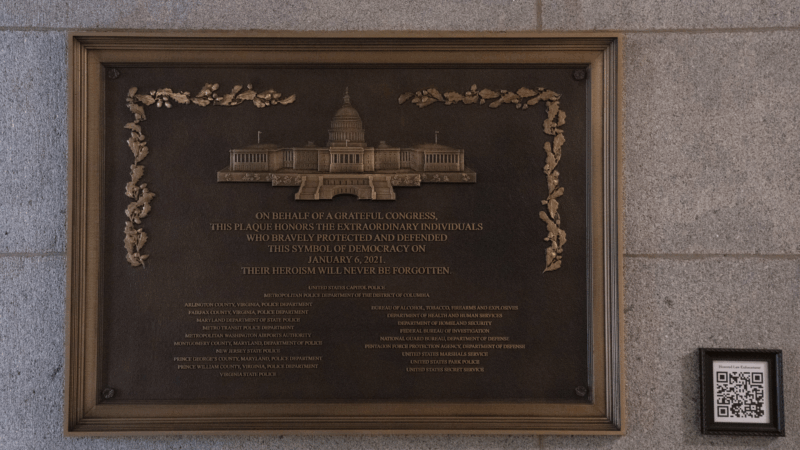
Jan. 6 plaque honoring police officers is now displayed at the Capitol after a 3-year delay
Visitors to the Capitol in Washington now have a visible reminder of the siege there on Jan. 6, 2021, and the officers who fought and were injured that day.
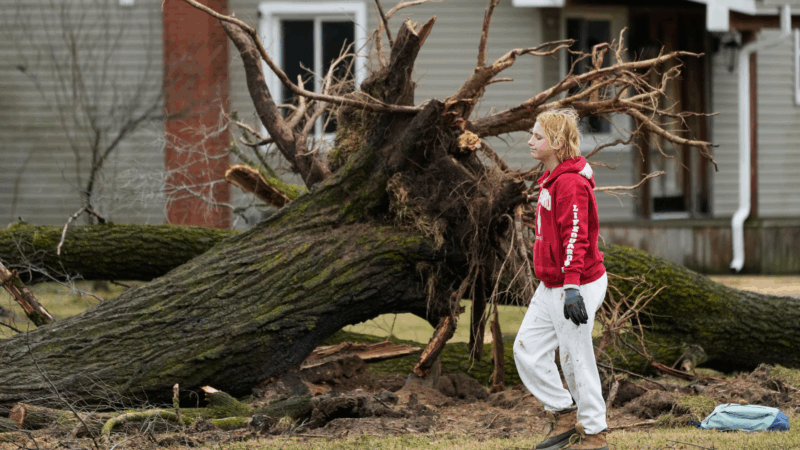
Authorities searching debris after suspected tornadoes kill 6 in Michigan, Oklahoma
A 12-year-old boy is reported to be among the dead following powerful storms that stretched across the middle of the country.

Opinion: The immorality of betting on war
Traders on prediction markets bet on nearly anything. One made more than half a million dollars betting on the U.S. strike against Iran. But should people wager on human suffering?
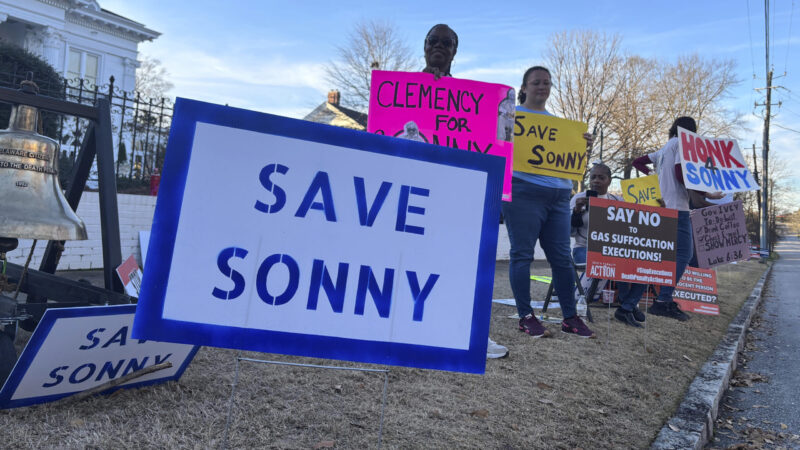
Alabama man facing execution for deadly robbery asks for clemency as he didn’t kill victim
Charles “Sonny” Burton is scheduled to be executed March 12 for his role in a 1991 robbery in which a man was fatally shot. His supporters and attorney are asking the governor for clemency, arguing that his life should be spared because Burton didn’t fire the gun or witness the killing.
One week into the Iran war, the fallout is global
The war is no longer just about the U.S., Israel and Iran. More countries are getting caught in the political crossfire or being drawn into the fighting themselves.

Curling had its moment at the Olympics and now Paralympics. It sparked a curling bonanza in America
Hundreds of people become interested in curling every four years and the 2026 numbers already show that boom.
