
Appeals court allows end of protected status for migrants from 3 countries
SAN FRANCISCO — A federal appeals court on Wednesday sided with the Trump administration and halted for now a lower court’s order that had kept in place temporary protections for 60,000 migrants from Central America and Nepal.
This means that the Republican administration can move toward removing an estimated 7,000 people from Nepal whose Temporary Protected Status designations expired Aug. 5. The TPS designations and legal status of 51,000 Hondurans and 3,000 Nicaraguans are set to expire Sept. 8, at which point they will become eligible for removal.
The 9th U.S. Circuit Court of Appeals in San Francisco granted the emergency stay pending an appeal as lead plaintiff National TPS Alliance alleges that the administration acted unlawfully in ending Temporary Protected Status designations for people from Honduras, Nicaragua and Nepal.
“The district court’s order granting plaintiffs’ motion to postpone, entered July 31, 2025, is stayed pending further order of this court,” wrote the judges, who are appointees of Democrat Bill Clinton and Republicans George W. Bush and Donald Trump.
Temporary Protected Status is a designation that can be granted by the Homeland Security secretary, preventing migrants from being deported and allowing them to work. The Trump administration has aggressively sought to remove the protection, thus making more people eligible for removal. It’s part of a wider effort by the administration to carry out mass deportations of immigrants.
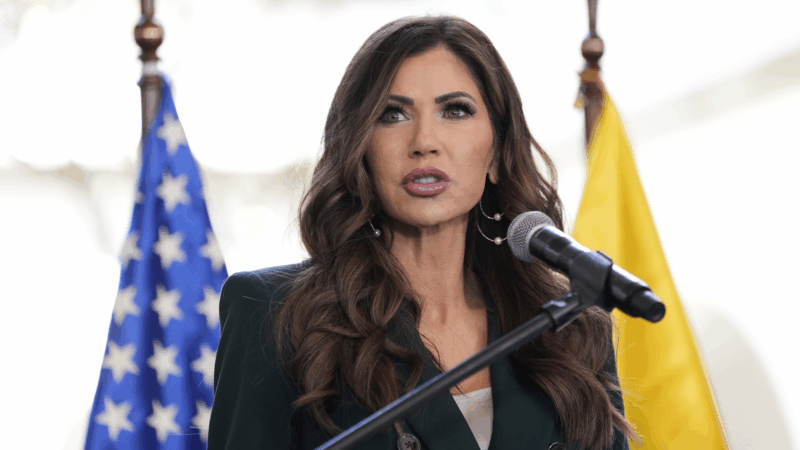
Secretary Kristi Noem can extend Temporary Protected Status to immigrants in the U.S. if conditions in their homelands are deemed unsafe for return due to a natural disaster, political instability or other dangerous conditions.
Immigrant rights advocates say TPS holders from Nepal have lived in the U.S. for more than a decade while people from Honduras and Nicaragua have lived in the country for 26 years, after Hurricane Mitch in 1998 devastated both countries.
“The Trump administration is systematically de-documenting immigrants who have lived lawfully in this country for decades, raising U.S.-citizen children, starting businesses, and contributing to their communities,” said Jessica Bansal, attorney at the National Day Laborer Organization, in a statement.
Noem ended the programs after determining that conditions no longer warranted protections.
In a sharply written July 31 order, U.S. District Judge Trina L. Thompson in San Francisco kept the protections in place while the case proceeds. The next hearing is Nov. 18.
She said the administration ended the migrant status protections without an “objective review of the country conditions,” such as political violence in Honduras and the impact of recent hurricanes and storms in Nicaragua.
In response, Tricia McLaughlin, the assistant secretary at DHS, said, “TPS was never meant to be a de facto asylum system, yet that is how previous administrations have used it for decades.”
The Trump administration has already terminated TPS designations for about 350,000 Venezuelans, 500,000 Haitians, more than 160,000 Ukrainians and thousands of people from Afghanistan and Cameroon. Some have pending lawsuits in federal courts.
Lawyers for the plaintiffs argued that Noem’s decisions are unlawful because they were predetermined by President Donald Trump’s campaign promises and motivated by racial animus.
But Drew Ensign, a U.S. deputy assistant attorney general, said at a hearing Tuesday that the government suffers an ongoing irreparable harm from its “inability to carry out the programs that it has determined are warranted.”
Honduras Deputy Foreign Minister Gerardo Torres said Wednesday that the appellate decision was unfortunate. He said the government hopes to at least buy time for Hondurans with the temporary status so they can seek out another way to stay legally in the U.S.
“We’re going to wait to see what the National TPS Alliance decides, it’s possible the case could be elevated to the United States Supreme Court, but we have to wait,” he said.
In May, the U.S. Supreme Court allowed the Trump administration to end TPS designations for Venezuelans. The justices provided no rationale, which is common in emergency appeals, and did not rule on the underlying claims.

In pictures: Winter storm slams the east coast
Photos of cities in Connecticut, New York, New Jersey and Massachusetts as they cope with a powerful winter storm.
The FDA creates a quicker path for gene therapies
The Food and Drug Administration aims to evaluate treatments for rare diseases based on plausible evidence that they would work — without requiring a clinical trial first.

BAFTAs apologize after guest with Tourette syndrome uses racial slur during ceremony
A man with Tourette syndrome shouted a racial slur and other offensive remarks during the BAFTA awards ceremony Sunday. The BBC did not edit out his outbursts in its delayed broadcast.

‘Everything was in pieces:’ Lindsey Vonn describes grueling surgery on broken leg
In a recent video, the Olympic skier credits her surgeon with saving her leg from potential amputation.

A new lawsuit alleges DHS illegally tracked and intimidated observers
Observers watching federal immigration enforcement in Maine who were told by agents they were "domestic terrorists" and would be added to a "database" or "watchlist" are now part of a new federal class action lawsuit.

Kate Hudson on regret, rom-coms and finding a role that hits all the notes
Hudson always wanted to sing, but feared it would derail her acting career. Now she's up for an Oscar for her portrayal of a hairdresser who performs in a Neil Diamond tribute band in Song Sung Blue.
