
Amazon to pay $2.5 billion to settle U.S. lawsuit that it ‘tricked’ people into Prime
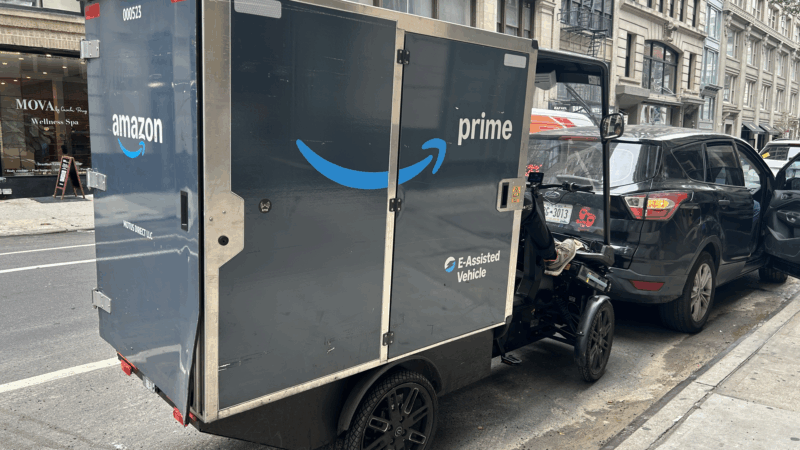
Amazon has agreed to pay a historic $2.5 billion to settle a landmark case over its Prime membership program, according to U.S. regulators, whose lawsuit had alleged the company’s web designs manipulated tens of millions of people into paying for subscriptions that were purposefully hard to cancel.
Amazon, without admitting wrongdoing, will pay $1 billion in civil penalties to the government and another $1.5 billion in payments to affected consumers, according to court documents. Amazon representatives did not immediately comment.
Eligible customers will automatically receive reimbursements up to $51, while other Amazon users will be able to submit claims for refunds. The company will also make changes to how Prime subscription options are displayed to shoppers.
The Federal Trade Commission and Amazon reached the deal as trial was just beginning in Amazon’s hometown of Seattle. Somewhat unusually for a dense antitrust case, a jury was slated to determine whether Amazon broke the law.
Amazon still faces another, bigger federal lawsuit, in which the FTC has accused the company of functioning as a monopoly. The tech giant has described it as “wrong on the facts and on the law.” That trial is expected in early 2027, in front of the same judge, John Chun of the U.S. District Court for the Western District of Washington.
The FTC, which regulates competition, brought the lawsuit in 2023. It accused Amazon of illegally using “manipulative, coercive, or deceptive” designs to get shoppers enrolled in auto-renewing Prime subscriptions, which currently cost $139 a year or $14.99 a month. Regulators also alleged that Amazon purposefully built a convoluted, multi-step cancellation process to discourage people from quitting — and repeatedly backtracked on plans to simplify the process as this led to fewer subscribers.
Throughout the court battle, Amazon denied breaking any laws. It argued its designs and disclosures followed or even surpassed widely used industry standards. The company said its processes were clear to the vast majority of Amazon customers, who chose Prime for benefits such as free two-day shipping.
Thursday’s settlement comes after one the FTC’s key witnesses testified: former Amazon user experience researcher, Reid Nelson. During testimony, emails and text messages from Nelson revealed that he and his team had repeatedly flagged Amazon’s design tactics as misleading or confusing to customers. In one message, Nelson said Amazon’s business goals would be very difficult to hit if Prime web design were more transparent. During cross examination, Amazon lawyers said the company has spent more than $10 million to solve customer frustration issues like the ones flagged by Nelson and his team.
Monica Nickelsburg at KUOW contributed to this report.
Editor’s note: Amazon is among NPR’s recent financial supporters and pays to distribute some NPR content.

Swiss Alpine bar fire claims 41st victim, an 18-year-old Swiss national
Swiss prosecutors have opened a criminal investigation into the owners of Le Constellation bar in the ski resort of Crans-Montana, where a fire in the early hours of Jan. 1 killed dozens.

Sunday Puzzle: Rhyme Time
NPR's Ayesha Rascoe plays the puzzle with WBUR listener Laurie Rose and Weekend Edition Puzzlemaster Will Shortz.
Alcaraz beats Djokovic to become the youngest man to complete a career Grand Slam
The 22-year-old Spaniard's win against 38-year-old rival Novak Djokovic at Sunday's Australian Open makes him the youngest male player to win all four major tournaments.
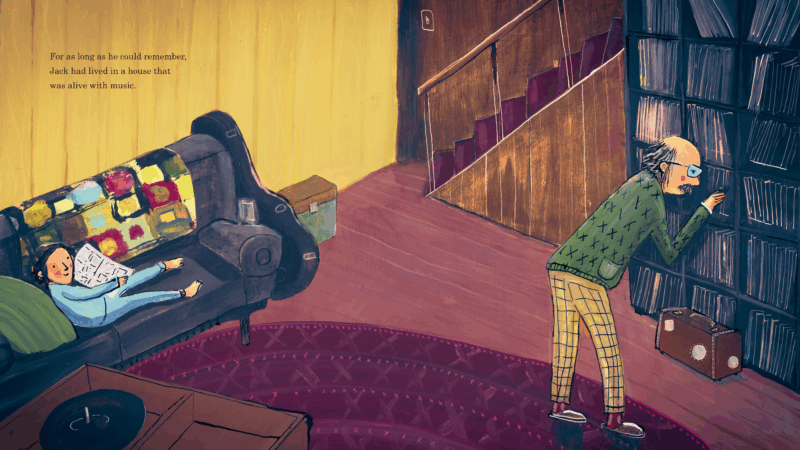
You already know the song — now, ‘The One About the Blackbird’ is also a picture book
In The One About the Blackbird, a young boy learns to play guitar from his grandfather. And there's one song in particular that they love…

At a clown school near Paris, failure is the lesson
For decades, students at the Ecole Philippe Gaulier have been paying to bomb onstage. The goal isn't laughs — it's learning how to take the humiliation and keep going.

In the world’s driest desert, Chile freezes its future to protect plants
Tucked away in a remote desert town, a hidden vault safeguards Chile's most precious natural treasures. From long-forgotten flowers to endangered crops.
