
AI and Nvidia have been bright spots in an uncertain economy, but there are doubts now
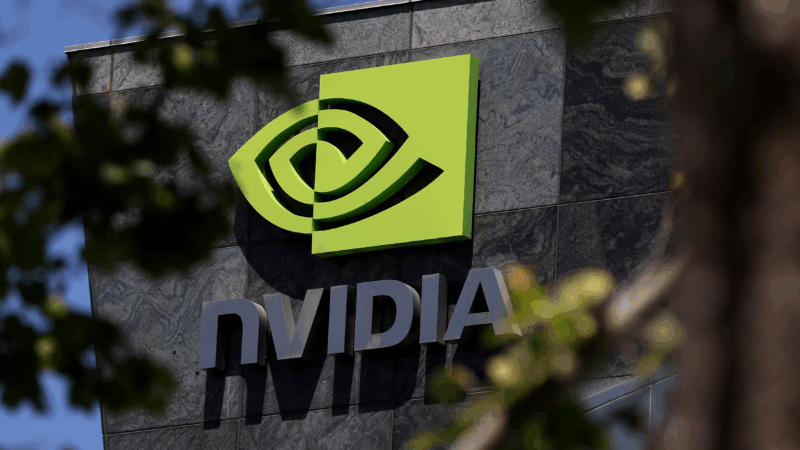
The artificial-intelligence bubble has been propping up the stock market and the broader economy for a while now. What happens if it bursts?
That’s been the question circling Wall Street recently, as Big Tech companies face both unprecedented political pressures from the White House — and new doubts about all the money that’s pouring into AI investments.
This past week, AI darling Nvidia reported blockbuster financial results that beat analysts’ expectations. But investors weren’t impressed. Shares in the chip company dipped 4% in the two days since that report.
Nvidia is still the world’s most valuable company, and it alone makes up about 8% of the S&P 500. It and the other so-called “Magnificent Seven” tech companies are contributing both to real economic growth — by investing billions and billions of dollars in developing artificial intelligence — and to the stock markets that Americans rely on for their retirement investments and other savings.
The S&P 500 is up almost 10% and the tech-heavy Nasdaq is up over 11% since the start of the year. That surge comes despite mounting uncertainty over the performance of the wider U.S. economy, the long-term effects of President Trump’s sweeping tariffs, and the increased prices they are widely expected to cause for consumers.
The AI gold rush isn’t paying off yet
For businesses and investors, the promise of artificial intelligence has been a big economic bright spot amid all the other gloom. In this modern-day gold rush, Nvidia and its competitors are selling the picks and shovels: the semiconductors that many tech companies are using to develop AI systems and capabilities.
Those companies, in turn, are selling their AI products to all the non-tech companies that are prospecting for gold — that is, looking for ways that AI can make their operations cheaper or more efficient.
But very few have seen results yet. The vast majority — 95% — of companies that are experimenting with AI aren’t seeing any revenue from it, according to a new survey from MIT. The publication of its findings last week sent the Nasdaq into a days-long slump.
“Most companies are not getting the benefit [of investing in artificial intelligence], but they feel like they have to keep trying because of the magnitude of disruption that’s coming their way,” says Gil Luria, who covers tech companies as a managing director for D.A. Davidson.
What’s happening with Nvidia symbolizes a broader story
Despite beating analysts’ expectations, and turning a handy $26.4 billion profit in its second quarter, Nvidia’s latest quarterly results disappointed Wall Street.
Even outside of the AI bubble, Nvidia has become a nexus for the bigger issues facing U.S. businesses — including mounting concerns over the future of free-market capitalism, and how much control President Trump is trying to exert over private companies.
Nvidia has been in the headlines this month for the extraordinary deal Trump announced with the company: He says Nvidia has agreed to pay the U.S. government a cut of sales of a certain chip in China, in exchange for letting the company do business there. (Nvidia said this week that it has not sold any of that chip in China in the past quarter.)
Trump announced that deal just before his administration said it would take a 10% stake in Intel, and that it is considering seeking similar deals in other industries. Those extraordinary arrangements have raised alarm bells in corporate America about how the U.S. government is exerting more control over the free markets. Meanwhile, investors are also still waiting to see the full impact of Trump’s sweeping tariffs on the broader economy.
But Pam Hegarty, who invests in tech companies as a lead portfolio manager at BNP Paribas, says Wall Street seems to be getting used to the political chaos around some of the artificial-intelligence industry.
“The tariffs and export controls have definitely added a lot of uncertainty, particularly for the semiconductor sector. But investors are starting to absorb that uncertainty,” she says, adding that she’s still optimistic about the broader AI boom: “The overall opportunity is still out there.”
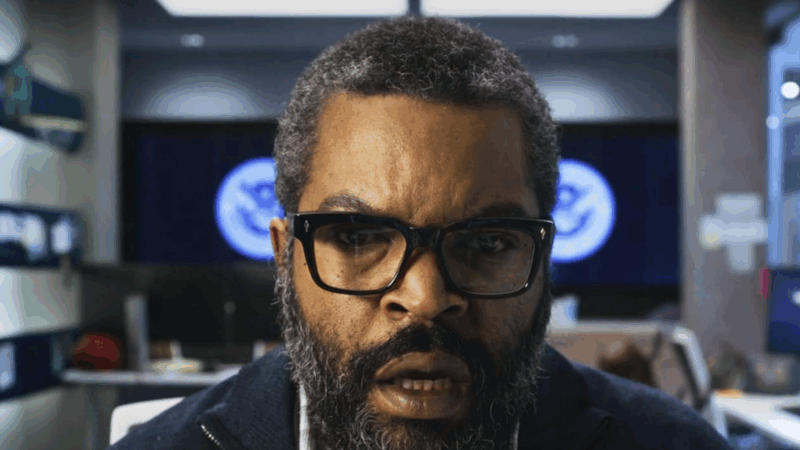
‘War of the Worlds’ remake sinks to the bottom at this year’s Razzie Awards
The surveillance industry version of HG Wells' 1898 classic sci-fi novel stars Ice Cube, and won accolades for worst picture, actor, director and more.

Russian strike on Kyiv region kills 4 and wounds 15, with peace talks stalled
The strikes comes after the United States paused ceasefire talks between Russia and Ukraine due to the war with Iran.
As the risk of measles grows, why are parents so divided on vaccines?
In South Carolina, some parents embrace vaccines, others opt out. Why do people make such different choices? A mix of politics, distrust and misinformation is pushing neighbors apart.
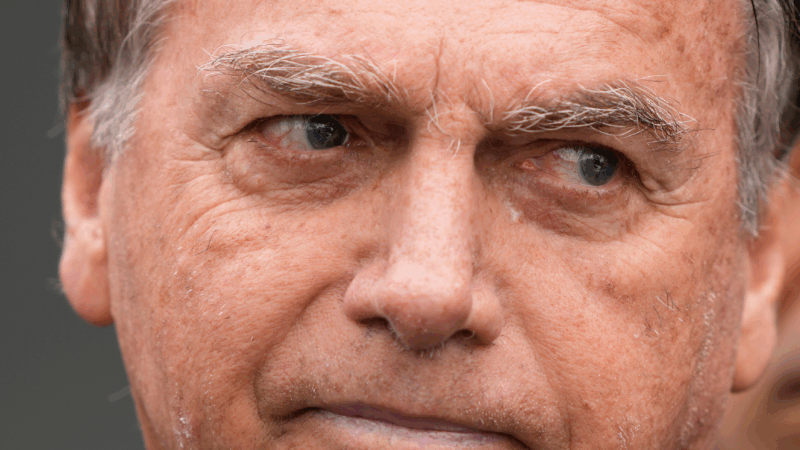
Brazil’s ex-President Bolsonaro is in intensive care with pneumonia, hospital says
One of Bolsonaro's doctor's described the former Brazilian president's medical condition as "serious."

Opinion: An ancient, sophisticated palate
Researchers looking at foodcrusts on the pottery shards of ancient humans say there's evidence of a wide variety of ingredients, indicating that they may have been experimenting with "recipes."

Why women have an especially tough time in Senegal’s prisons
Women charged with a crime in Senegal are at the mercy of a slow judicial process and prisons that may lack basic supplies. They also face stigma that robs them of familial and community support.
