
After the CDC shooting, federal workers pressure RFK Jr. for more protections
In the aftermath of an attack on the main campus for the Centers for Disease Control and Prevention in Atlanta on Aug. 8, employees at the CDC, National Institutes of Health, and other health agencies are calling for support and leadership from their boss, Health and Human Services Secretary Robert F. Kennedy, Jr.
A letter signed by hundreds of current and former HHS employees, addressed to Kennedy and members of Congress, says Kennedy is “complicit in dismantling America’s public health infrastructure and endangering the nation’s health” by questioning the integrity of the CDC’s workforce, making false claims that COVID vaccines are not safe or effective, changing vaccine policy based on ideology rather than science, and contributing to “harassment and violence experienced by the CDC staff.”
To the signatories, these factors contributed to an attack on CDC on August 8, when a gunman stood on a street corner in Atlanta and fired more than 500 rounds onto the agency’s main campus. Authorities have said that the shooting was motivated by the gunman’s “discontent” with COVID vaccines, based on written documents found in his home. He thought he had been injured by the vaccine and believed it was harming others, according to interviews with family members by Atlanta News First.
The gunman approached CDC main campus on a Friday afternoon, towards the end of the work day. He struck six buildings in which CDC employees barricaded themselves in offices, hid in closets and crouched under desks. The gunman killed a responding police officer, 33-year-old David Rose, and then killed himself.
“This is a major event,” said Dr. Fiona Havers, a former CDC official and a signatory on the letter who left the agency in June. “It’s critical that the scale of this event is recognized and that people that work in public health, and public health in general, are given much more support than they’re being given right now.”
Days after the shooting, Dr. Elizabeth Soda, an infectious diseases physician with the CDC’s National Center for Emerging and Zoonotic Infectious Diseases, returned to campus to retrieve her laptop. “I never dreamed I’d see CDC in that state, never dreamed I’d see bullet holes,” she says, speaking in her personal capacity, and not on behalf of the agency.
Soda had left campus just 30 minutes before the shooting happened, and was texting frantically with colleagues during the attack. “Initially, I was shocked,” she says, “but now that I’ve sat and thought about it, it’s not surprising.” She says that years of inaccurate health information being spread, along with the politicization of science and health, have created the conditions for violence to be directed at public health workers.
Those factors have ratcheted up in the past few months, Havers says. “The fact that the inflammatory rhetoric and misinformation about COVID vaccines is now coming from the HHS Secretary and from the administration has fueled it and given it legitimacy it may not have had before,” she says.
CDC employees say Secretary Kennedy’s response to the shooting has been lacking. He visited Atlanta to tour the campus in the days after, meeting with the CDC director and security staff, and visiting the wife of the police officer who was killed. He posted a statement on social media pledging support for CDC staff. “No one should face violence while working to protect the health of others,” he wrote.
But noticeably absent, staffers say, was any mention of the misinformation on COVID vaccines that authorities said motivated the shooter, or a full defense of the CDC’s mission and work. In an interview with Scripps News days after the attack, Kennedy said that government officials were “saying things that were not always true” in an effort to “persuade the public to get vaccinated” during the COVID pandemic. “Public health agencies have not been honest,” he said. Kennedy also said that public health authorities should not be trusted, because “trusting the experts is not a feature of science or democracy, it’s a feature of totalitarianism and of religion.”
The signatories of the letter have asked Kennedy to “stop spreading inaccurate health information,” “affirm CDC’s scientific integrity,” and guarantee the safety of the HHS workforce.
The letter writers have asked for a response from Kennedy by September 2.
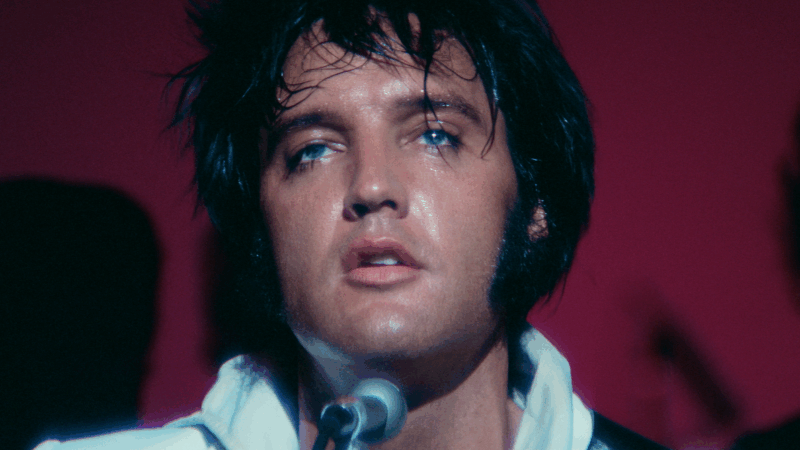
Baz Luhrmann will make you fall in love with Elvis Presley
The new movie is made up of footage originally shot in the early 1970s, which Luhrmann found in storage in a Kansas salt mine.
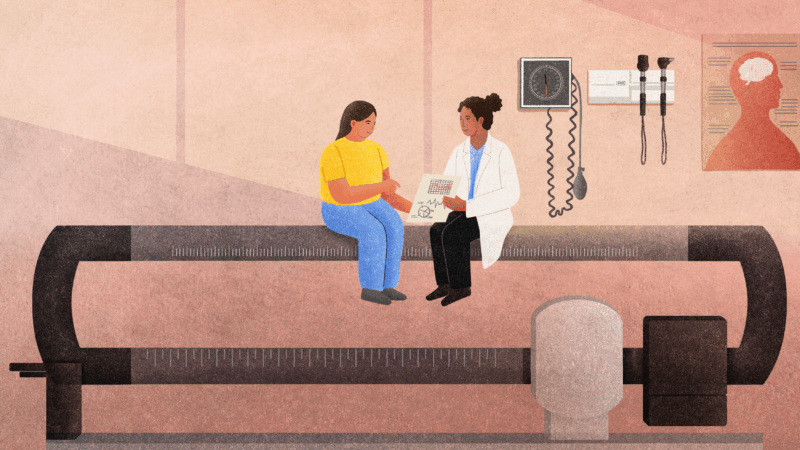
My doctor keeps focusing on my weight. What other health metrics matter more?
Our Real Talk with a Doc columnist explains how to push back if your doctor's obsessed with weight loss. And what other health metrics matter more instead.
Forget the State of the Union. What’s the state of your quiz score?
What's the state of your union, quiz-wise? Find out!

A team of midlife cheerleaders in Ukraine refuses to let war defeat them
Ukrainian women in their 50s and 60s say they've embraced cheerleading as a way to cope with the extreme stress and anxiety of four years of Russia's full-scale invasion.
SNL mocked her as a ‘scary mom.’ In the Senate, Katie Britt is an emerging dealmaker
Sen. Katie Britt, Republican of Alabama, is a budding bipartisan dealmaker. Her latest assignment: helping negotiate changes to immigration enforcement tactics.
As the U.S. celebrates its 250th birthday, many Latinos question whether they belong
Many U.S.-born Latinos feel afraid and anxious amid the political rhetoric. Still, others wouldn't miss celebrating their country
