
After 6 seasons and 3 movies, ‘Downton Abbey’ bids farewell (or does it?)
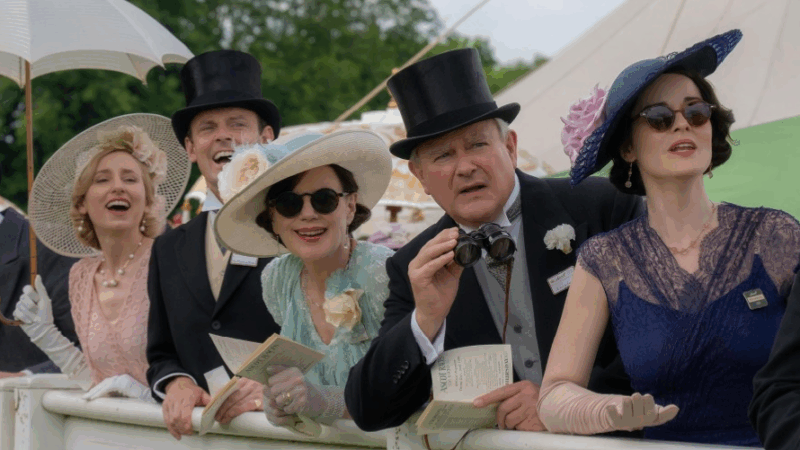
Ever since the events of Downton Abbey began in 1912, the characters haven’t been able to stop talking about how quickly the world around them is changing. Paradoxically, the constant repetition of this idea has made the show — and the movies — feel comfortingly, and sometimes annoyingly, static.
Sure, a lot has happened over six seasons and two movies: a world war, an epidemic, inventions, revolutions, births, deaths, marriages, scandals and an awful lot of servant turnover. But the class constraints and gender roles of the era are still largely in effect. The winds of progress sure do take their sweet time, and so does the creator and screenwriter Julian Fellowes, who’s clearly reluctant to say goodbye to these characters or upend their world order too abruptly.
And so we have a third movie, Downton Abbey: The Grand Finale, which sounds like a pretty definitive farewell, but who knows. Either way, it’s much better than the previous movie, Downton Abbey: A New Era, which felt smug and preposterous even for a series that has always been unapologetically both.
The new movie, directed by Simon Curtis, takes place in 1930. A portrait of the recently deceased Dowager Countess — the late, great Maggie Smith — hangs on one of the house’s many walls; even in death, she’s still looking down on everyone. Lady Mary Crawley — the superb Michelle Dockery — is preparing to take charge of Downton while her father, Robert, reluctantly steps into retirement with his wife, Cora.
As succession dramas go, the Crawleys aren’t exactly the Murdochs, but their plans do hit a snag when Mary ditches her absentee husband and immediately becomes a social pariah. Divorce is still frowned upon, and soon, Mary can’t get a dinner invitation to save her otherwise still extremely enviable life.
Mary’s visiting American uncle Harold, played by Paul Giamatti, has problems of his own. He’s mismanaged the estate of his and Cora’s late mother, plunging Downton into a fresh wave of financial uncertainty right on the heels of the Depression. Harold has brought along an advisor, Gus Sambrook, played by Alessandro Nivola with an oily smile that immediately puts you on high alert.
Meanwhile, there are a lot of changes going on downstairs: Carson, the butler, is finally retiring, though he has mixed feelings about relinquishing his authority. The cook, Mrs. Patmore, is exiting with far more grace, proudly ceding control of the kitchen to her protégée, Daisy, played by the winning Sophie McShera.
As the Crawleys are downsized and Lady Mary is ostracized, Fellowes orchestrates a flurry of let’s-put-on-a-show subplots. Plans are underway for the annual county fair, and Simon Russell Beale steals every scene as a glowering local snob who resists every effort to make the event more open to the community.
And Dominic West is back as the dashing actor Guy Dexter, with his personal assistant and not-so-secret boyfriend, Thomas Barrow — the excellent Rob James-Collier — surely the only former Downton footman ever to return to the place as an overnight guest. Best of all, they’ve also brought along none other than Noël Coward, played by Arty Froushan, who does a droll impersonation of the great playwright.
In one lovely scene, Coward sings and plays the piano for the Crawleys and their dinner guests, while the servants listen from a distance. I was reminded of a near-identical sequence from Gosford Park, the manor-house murder mystery that earned Fellowes a screenwriting Oscar more than two decades ago.
Gosford Park was directed by Robert Altman, whose sharp, democratic sensibility kept the material’s classism in check. Downton Abbey, by contrast, has always drawn a warm bath of nostalgia for the heyday of the landed gentry, and the movies have leaned into this, to the point of giving the downstairs characters short shrift.
Here, though, Fellowes wisely course-corrects, cutting back on the convoluted plotting and zeroing in on the emotional dynamics. Hugh Bonneville and Jim Carter have a moving moment in which Robert and Carson acknowledge their years of side-by-side leadership. Laura Carmichael also gets a few commanding scenes as Lady Edith, who’s so often been at odds with her older sister Mary and now becomes her strongest ally.
It’s enough to make me want to see what happens next, when Mary, raised in an era when noble estates couldn’t be owned or inherited by women, is now fully in charge. I’m not asking for a fourth movie. But that could change. Things often do, as Downton Abbey always reminds us.

GOP Rep. Tony Gonzales of Texas ends reelection bid after admitting to affair with aide
Republican Rep. Tony Gonzales of Texas said late Thursday he was withdrawing from his reelection race, after having admitted an affair with a former staff member.
Pentagon labels AI company Anthropic a supply chain risk
The Pentagon said in a statement Thursday that it has "officially informed Anthropic leadership the company and its products are deemed a supply chain risk, effective immediately."
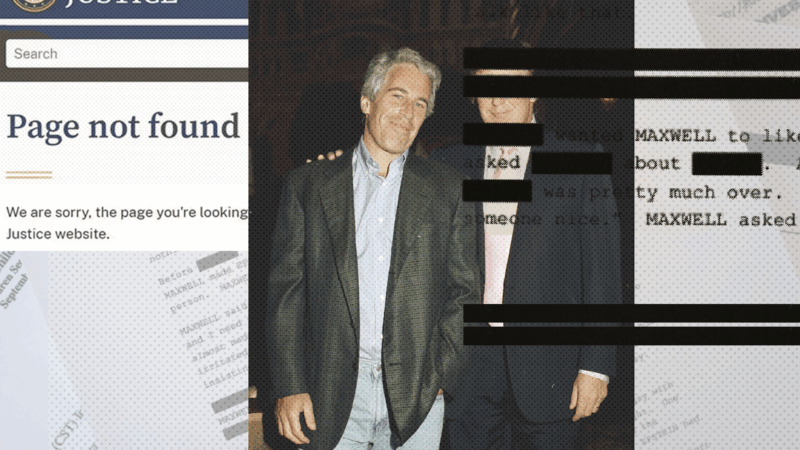
Justice Department publishes some missing Epstein files related to Trump
The Justice Department has published additional Epstein files related to allegations that President Trump sexually abused a minor after an NPR investigation found dozens of pages were withheld.
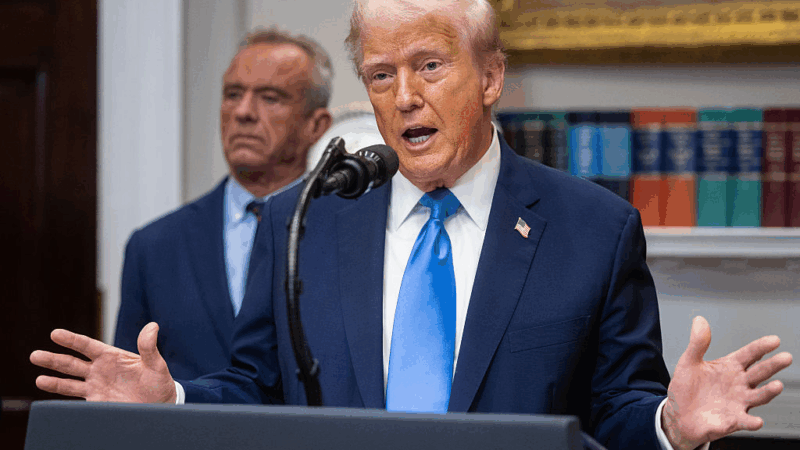
Pregnant women in ERs took less Tylenol after Trump autism warning
A study in The Lancet finds that pregnant women in emergency rooms used less Tylenol after President Trump said it could raise their babies' risk of autism. Scientists say there is no proven link.
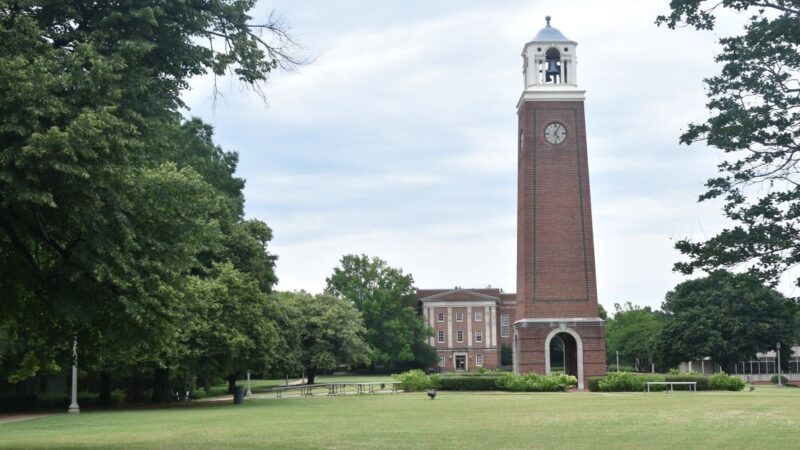
Mixed reactions, including relief, greet news the Coast Guard is buying BSC campus
The U.S. Coast Guard will take possession of the 192-acre campus in the northeast corner of Birmingham’s Bush Hills Neighborhood and will begin work to refit it as a training center for officers and enlisted personnel.
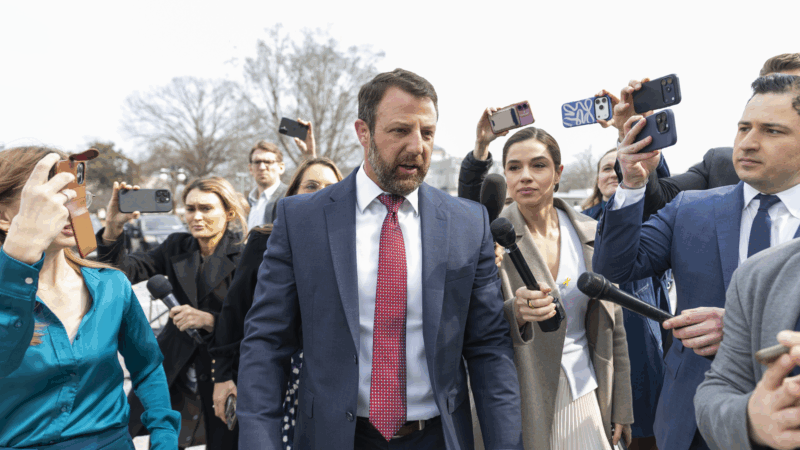
What you need to know about Sen. Markwayne Mullin, Trump’s new pick to lead DHS
President Trump announced Thursday that Sen. Markwayne Mullin, R-Okla., is his pick to replace Kristi Noem as the head of the Department of Homeland Security.
