
After 529 days alone in the Australian bush, Valerie the mini dachshund is home

Bundled in a little blanket on a plush couch, Valerie doesn’t quite look like a dog who recently survived more than 17 months in the Australian wilderness. She’s nestled between her two owners, 24-year-old Georgia Gardner and 25-year-old Josh Fishlock, licking the couple’s faces every so often as they talk over Zoom.
“She’s the queen of the house,” Gardner says, smiling. “It’s her house and we just live in it a bit.”
But for 529 days, Valerie — a roughly 10-pound mini dachshund with short legs and a long black and brown body — was missing from that house. During a November 2023 camping trip to Kangaroo Island, a remote island in southern Australia, she ran away from the campsite.

Valerie was microchipped and also had an Apple AirTag on her collar. But the island is sparsely populated, largely used for farming and livestock, and the tag needed Apple Bluetooth devices nearby to track her down.
So the couple did what others do when their pets go missing: They posted about her disappearance on a local Facebook group, left some of their clothes and toys with Valerie’s scent near the spot she ran off, and switched the AirTag into “lost” mode. But despite searching for days with members of the community, Gardner and Fishlock had to return home to mainland Australia, leaving the island without her.
“Leaving the island was probably the hardest decision I think I’ve ever made in my life. We went over there as three, and we were going back as two. It was a very horrible feeling,” Fishlock remembers.
They tried to hold out hope that someone would find her, and they’d be back in a week or two to pick her up.
But weeks turned into months, and there still was no word about Valerie. Gardner says the couple tried to cope with the fact that their tiny dog had disappeared on an island home to predators like snakes and eagles. They made up a story, trying to convince themselves that she’d been picked up by an old lady on a farm, and was now eating dog biscuits and sleeping in a warm bed.
“But we definitely had to be realistic that we might never get her home. And we had to move through that grief,” she says.
Then, one day this past February, more than a year after Valerie had gone missing, a farmer on Kangaroo Island snapped a photo of a tiny dog running through fields. That photo eventually made it to the Kangala Wildlife Rescue — a local animal rescue on the island generally focused more on wildlife than pets — who had been in contact with Valerie’s owners since she’d gone missing and shared it with them.
Gardner says at first they couldn’t believe it.
“There’s no way a four-kilo dog could survive that long,” she remembers thinking. But, she says, the photo was absolutely Valerie.
Lisa Karran, who runs Kangala Wildlife Rescue with her husband Jared, says once that photo came through, they got to work trying to rescue Valerie during their off-hours.
It was no small feat.
Karran says they first thought it would take only a few days to catch the mini dachshund. They put out about a dozen of what she calls “cat traps” — basic cages with a plate of food and a door that latches when an animal goes in. But they kept catching nearly everything — brush tail possums, feral cats, wallabies — except Valerie.
“Even a few kangaroos put their heads in there,” she remembers.
So, along with a team of other volunteers, they began experimenting with different traps, often working long nights with little to no sleep. Eventually they rigged up a big pen with a roof, several wildlife cameras and a remote-controlled door, setting it in the spot where Valerie had been seen last. They replenished it daily with food like roast chicken, and filled it with Valerie’s toys and clothes that carried the scent of her owners.

Eventually, Valerie started showing up, grabbing food before darting back out again. And, finally, after nearly two months of trying to capture the little dog, everything lined up. Valerie entered the pen and relaxed a bit. Then, they hit the remote to drop the door.
“It was surreal walking down to the trap site from the car, and you could hear her barking,” Karran remembers. She climbed into the pen alongside her daughter, and eventually Valerie climbed into their laps and fell asleep.
“Our hearts just broke then. We knew she never, ever wanted to be a minute out there,” she says.
No one quite knows how exactly Valerie survived so many days in the wild. She was ultimately found about 30 miles from the campsite she’d left. Karran speculates that she was drinking water from nearby farms, burrowing in the dirt for shelter or even eating the carcasses of dead animals.
After her capture, Valerie went to the vet and got a clean bill of health. She’d even gained some weight. “She’s got the physique of a little bodybuilder,” Karran laughed.
About a month has passed since her big adventure came to an end, and Valerie has been back home with Gardner and Fishlock for about two weeks. They say she’s settled right back in: playing with her toys, cuddling in bed and going on walks just like before she went missing.

“She’s come back a bit more independent,” Gardner says. “She’s still quite attached to us, but she’s stronger and more on her own.”
Karran says people have asked her why she and her team put so much effort and time into finding one tiny dog. But for her, it was simple.
“If it was your dog, what would you want someone to do? Wouldn’t you want someone to say, hey let’s do the best we can? We should all as humans just come together and make it right, or at least try,” she says.
Gardner and Fishlock say they’ve been flooded with messages about Valerie, many from people saying her story gave them hope. Gardner says she hopes that’s what people can take away from the saga.
“If a tiny, little four-kilo sausage dog can survive on Kangaroo Island in the Australian bush, then you know, you too can survive whatever it is you’re going through,” she says.
British Columbia to make daylight saving time permanent
The Canadian province is permanently ending the biannual time shifts for more light at the day's end. But research shows daylight saving increases health risks.
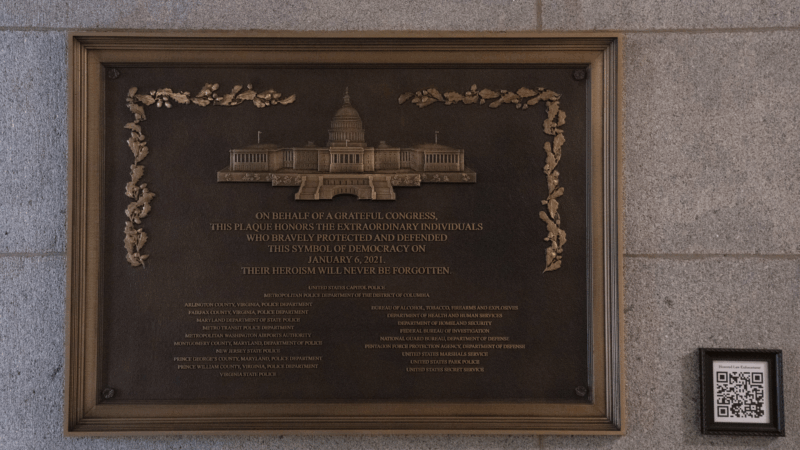
Jan. 6 plaque honoring police officers is now displayed at the Capitol after a 3-year delay
Visitors to the Capitol in Washington now have a visible reminder of the siege there on Jan. 6, 2021, and the officers who fought and were injured that day.
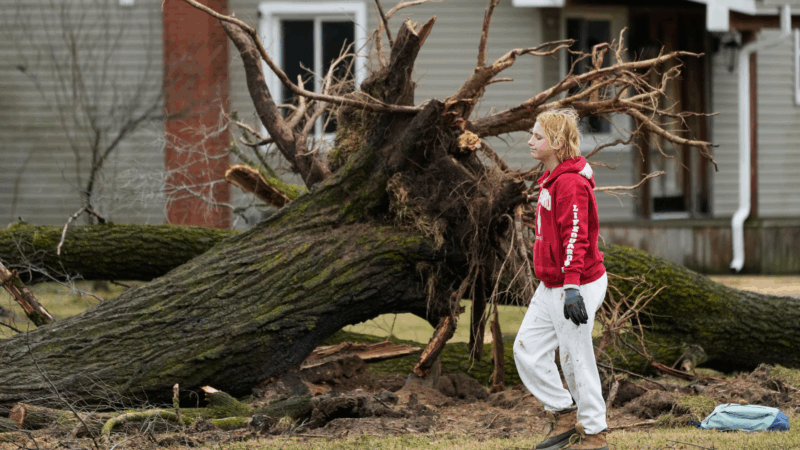
Authorities searching debris after suspected tornadoes kill 6 in Michigan, Oklahoma
A 12-year-old boy is reported to be among the dead following powerful storms that stretched across the middle of the country.
Opinion: The immorality of betting on war
Traders on prediction markets bet on nearly anything. One made more than half a million dollars betting on the U.S. strike against Iran. But should people wager on human suffering?
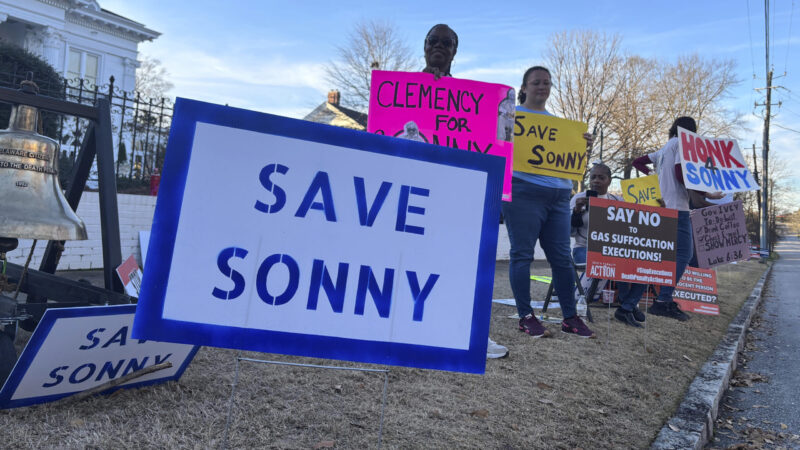
Alabama man facing execution for deadly robbery asks for clemency as he didn’t kill victim
Charles “Sonny” Burton is scheduled to be executed March 12 for his role in a 1991 robbery in which a man was fatally shot. His supporters and attorney are asking the governor for clemency, arguing that his life should be spared because Burton didn’t fire the gun or witness the killing.
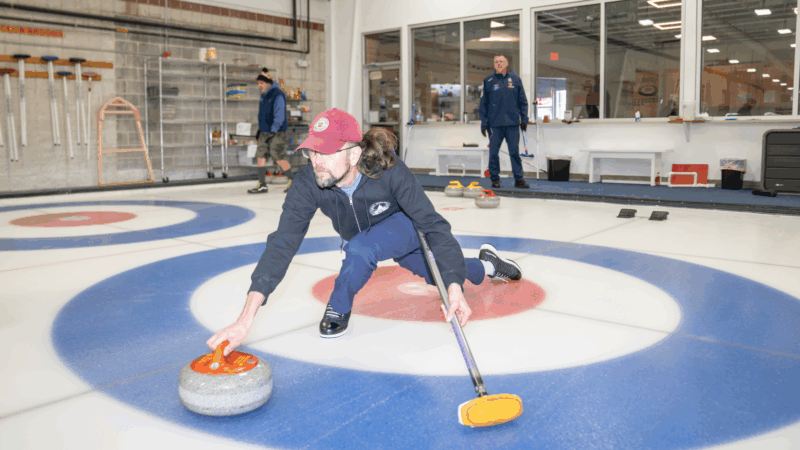
Curling had its moment at the Olympics and now Paralympics. It sparked a curling bonanza in America
Hundreds of people become interested in curling every four years and the 2026 numbers already show that boom.
