
A South Korean court sentences Yoon to 5 years in prison on charges related to martial law decree
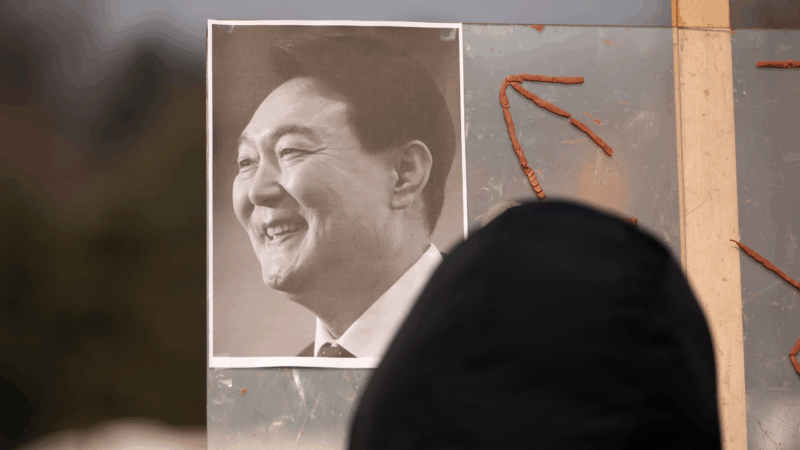
A South Korean court sentenced former President Yoon Suk Yeol to five years in prison Friday in the first verdict from eight criminal trials over the martial law debacle that forced him out of office and other allegations.
Yoon was impeached, arrested and dismissed as president after his short-lived imposition of martial law in December 2024 triggered huge public protests calling for his ouster.
The most significant criminal charge against him alleges that his martial law enforcement amounted to a rebellion, and the independent counsel has requested the death sentence in the case that is to be decided in a ruling next month.
In Friday’s case, the Seoul Central District Court sentenced Yoon for defying attempts to detain him, fabricating the martial law proclamation and sidestepping a legally mandated full Cabinet meeting.
Yoon has maintained he didn’t intend to place the country under military rule for an extended period, saying his decree was only meant to inform the people about the danger of the liberal-controlled parliament obstructing his agenda. But investigators have viewed Yoon’s decree as an attempt to bolster and prolong his rule, charging him with rebellion, abuse of power and other criminal offenses.
Judge Baek Dae-hyun said in the televised ruling that imposing “a grave punishment” was necessary because Yoon hasn’t shown remorse and has only repeated “hard-to-comprehend excuses.” The judge also restoring legal systems damaged by Yoon’s action was necessary.
Yoon, who can appeal the ruling, hasn’t immediately publicly responded to the ruling. But when the independent counsel demanded a 10-year prison term in the case, Yoon’s defense team accused them of being politically driven and lacking legal grounds to demand such “an excessive” sentence.
Prison sentences in the multiple, smaller trials Yoon faces would matter if he is spared the death penalty or life imprisonment at the rebellion trial.
Park SungBae, a lawyer who specializes in criminal law, said there is little chance the court would decide Yoon should face the death penalty in the rebellion case. He said the court will likely issue a life sentence or a sentence of 30 years or more in prison.
South Korea has maintained a de facto moratorium on executions since 1997 and courts rarely hand down death sentences. Park said the court would take into account that Yoon’s decree didn’t cause casualties and didn’t last long, although Yoon hasn’t shown genuine remorse for his action.
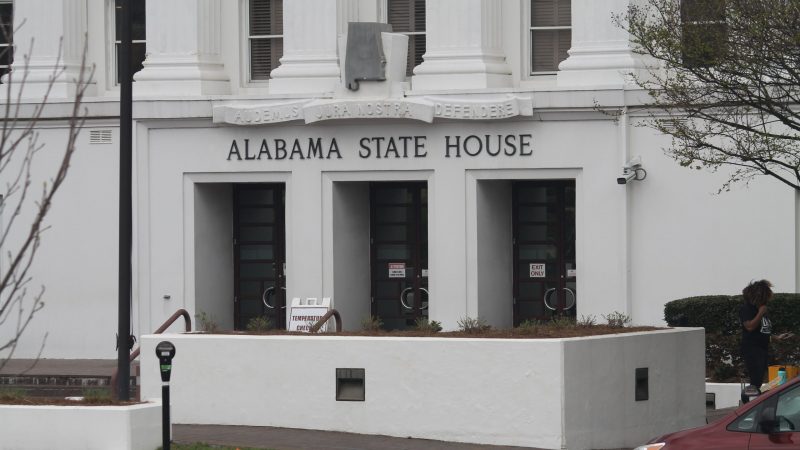
Bill making the Public Service Commission an appointed board is dead for the session
Usually when discussing legislative action, the focus is on what's moving forward. But plenty of bills in a legislature stall or even die. Leaders in the Alabama legislature say a bill involving the Public Service Commission is dead for the session. We get details on that from Todd Stacy, host of Capitol Journal on Alabama Public Television.

My doctor keeps focusing on my weight. What other health metrics matter more?
Our Real Talk with a Doc columnist explains how to push back if your doctor's obsessed with weight loss. And what other health metrics matter more instead.
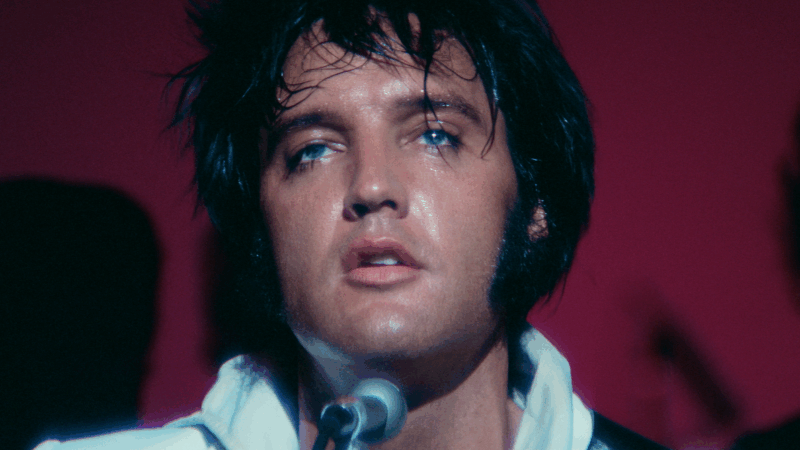
Baz Luhrmann will make you fall in love with Elvis Presley
The new movie is made up of footage originally shot in the early 1970s, which Luhrmann found in storage in a Kansas salt mine.
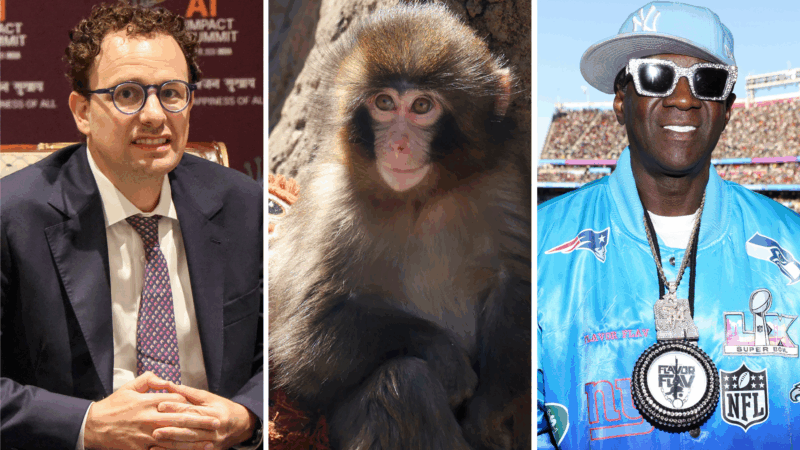
Forget the State of the Union. What’s the state of your quiz score?
What's the state of your union, quiz-wise? Find out!

A team of midlife cheerleaders in Ukraine refuses to let war defeat them
Ukrainian women in their 50s and 60s say they've embraced cheerleading as a way to cope with the extreme stress and anxiety of four years of Russia's full-scale invasion.

As the U.S. celebrates its 250th birthday, many Latinos question whether they belong
Many U.S.-born Latinos feel afraid and anxious amid the political rhetoric. Still, others wouldn't miss celebrating their country
