
A little boy gave her hope for her foster daughter’s future
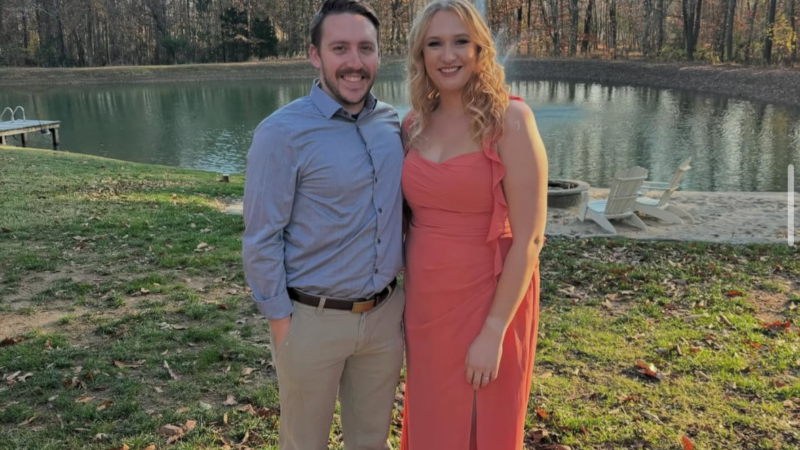
One September day earlier this year, Natalie Cook brought her 2-year-old foster daughter to the park. Like most kids, Cook’s daughter loves going down the slides and riding the swings. For Cook, however, these outings can be stressful. Her foster daughter was born prematurely, and she uses a walker to get around.
“I never know how the kids are going to react with her walker,” Cook said. “Some kids will run off with [it], or they just stare at her.”
On this particular outing, things were going well. Cook’s daughter was going from one piece of equipment to another, having a nice time. After a few minutes, a boy approached and asked, “what’s wrong with her?”
“I froze,” Cook recalled. “I wasn’t sure how to explain her disability to an adult, let alone a child.”
Cook explained that her daughter had been born much smaller than other babies, and that it’s taking some time for her to catch up with other kids her age. Satisfied with Cook’s answer, the little boy ran off to play with his friends. But after a few more minutes, he returned and began playing with Cook’s daughter.
“He was pushing her on the swing, and then he started to even pick up on the sign language I was using to ask her if she wanted to ‘keep swinging’ or to ‘[be] done.'”
Soon, the boy had convinced his friends to come over and join.
“He started telling them about her disability and what she could do, not what she couldn’t do,” Cook said, laughing. “He was like a proud little mom.”
Before she knew it, the whole park was cheering Cook’s daughter along. Seemingly everyone there picked up on the sign language and helped her navigate the playground equipment.
“I was just in awe because I’ve never seen anything like this at the park. And my heart was just so, so full,” Cook said.
“[The little boy] saw past her disability. She was just another kid to him, and he could include her in his day. It was just a really sweet moment to know there’s still kids out there like that, and [that] my daughter’s going to be in good hands as she gets older.”
My Unsung Hero is also a podcast — new episodes are released every Tuesday. To share the story of your unsung hero with the Hidden Brain team, record a voice memo on your phone and send it to [email protected].
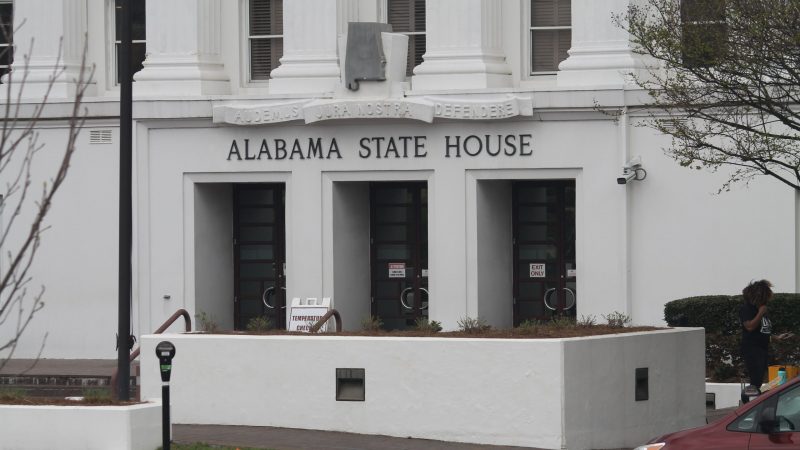
Bill making the Public Service Commission an appointed board is dead for the session
Usually when discussing legislative action, the focus is on what's moving forward. But plenty of bills in a legislature stall or even die. Leaders in the Alabama legislature say a bill involving the Public Service Commission is dead for the session. We get details on that from Todd Stacy, host of Capitol Journal on Alabama Public Television.
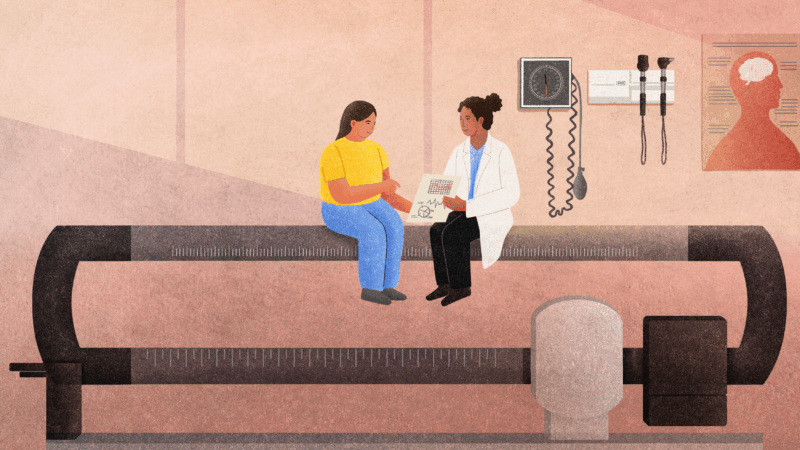
My doctor keeps focusing on my weight. What other health metrics matter more?
Our Real Talk with a Doc columnist explains how to push back if your doctor's obsessed with weight loss. And what other health metrics matter more instead.
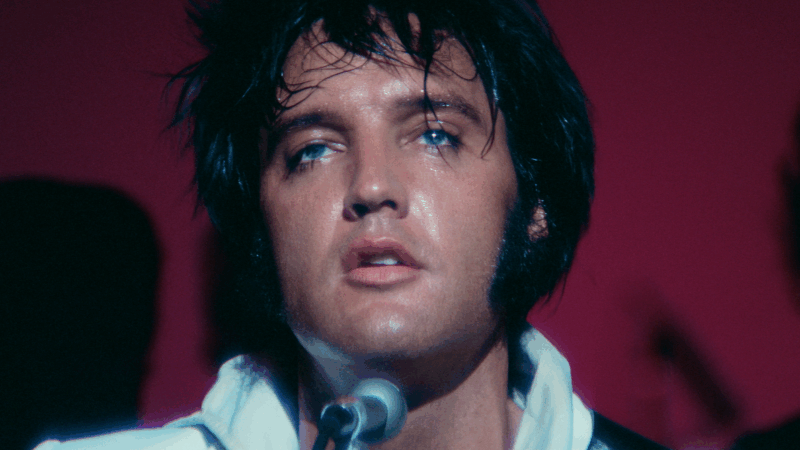
Baz Luhrmann will make you fall in love with Elvis Presley
The new movie is made up of footage originally shot in the early 1970s, which Luhrmann found in storage in a Kansas salt mine.
Forget the State of the Union. What’s the state of your quiz score?
What's the state of your union, quiz-wise? Find out!
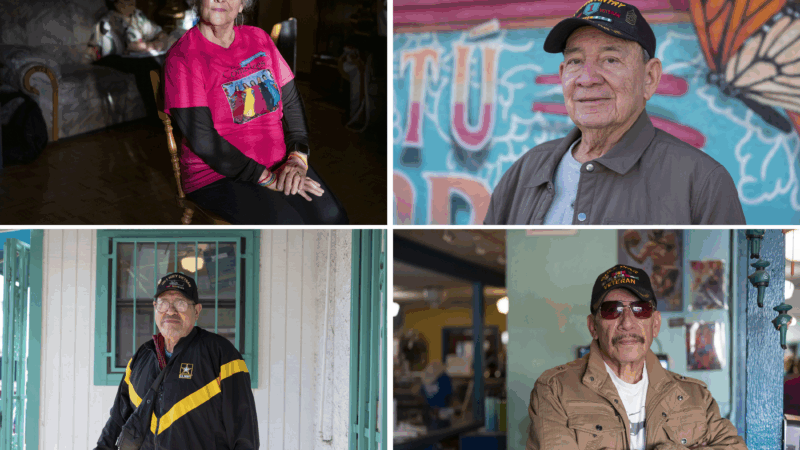
As the U.S. celebrates its 250th birthday, many Latinos question whether they belong
Many U.S.-born Latinos feel afraid and anxious amid the political rhetoric. Still, others wouldn't miss celebrating their country
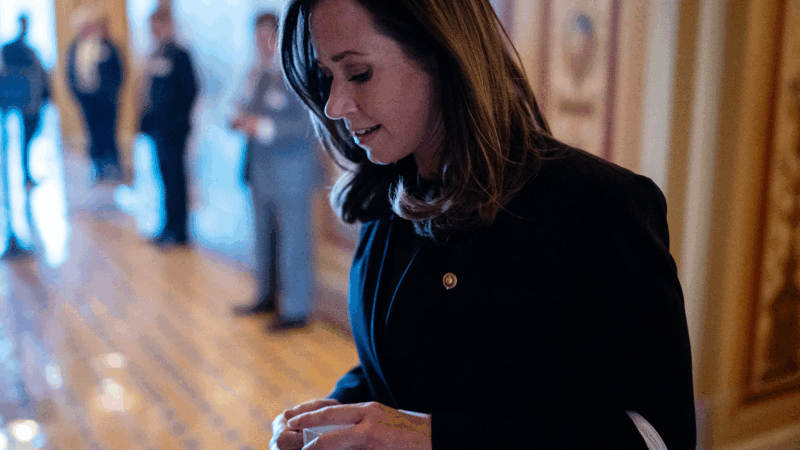
SNL mocked her as a ‘scary mom.’ In the Senate, Katie Britt is an emerging dealmaker
Sen. Katie Britt, Republican of Alabama, is a budding bipartisan dealmaker. Her latest assignment: helping negotiate changes to immigration enforcement tactics.
