
A jury orders Tesla to pay more than $240 million in Autopilot crash

MIAMI — A Miami jury decided that Elon Musk’s car company Tesla was partly responsible for a deadly crash in Florida involving its Autopilot driver assist technology and must pay the victims more than $240 million in damages.
The federal jury held that Tesla bore significant responsibility because its technology failed and that not all the blame can be put on a reckless driver, even one who admitted he was distracted by his cellphone before hitting a young couple out gazing at the stars. The decision comes as Musk seeks to convince Americans his cars are safe enough to drive on their own as he plans to roll out a driverless taxi service in several cities in the coming months.
The decision ends a four-year long case remarkable not just in its outcome but that it even made it to trial. Many similar cases against Tesla have been dismissed and, when that didn’t happen, settled by the company to avoid the spotlight of a trial.
“This will open the floodgates,” said Miguel Custodio, a car crash lawyer not involved in the Tesla case. “It will embolden a lot of people to come to court.”
The case also included startling charges by lawyers for the family of the deceased, 22-year-old, Naibel Benavides Leon, and for her injured boyfriend, Dillon Angulo. They claimed Tesla either hid or lost key evidence, including data and video recorded seconds before the accident. Tesla said it made a mistake after being shown the evidence and honestly hadn’t thought it was there.
“We finally learned what happened that night, that the car was actually defective,” said Benavides’ sister, Neima Benavides. “Justice was achieved.”
Tesla has previously faced criticism that it is slow to cough up crucial data by relatives of other victims in Tesla crashes, accusations that the car company has denied. In this case, the plaintiffs showed Tesla had the evidence all along, despite its repeated denials, by hiring a forensic data expert who dug it up.
“Today’s verdict is wrong,” Tesla said in a statement, “and only works to set back automotive safety and jeopardize Tesla’s and the entire industry’s efforts to develop and implement lifesaving technology,” They said the plaintiffs concocted a story “blaming the car when the driver – from day one – admitted and accepted responsibility.”
In addition to a punitive award of $200 million, the jury said Tesla must also pay $43 million of a total $129 million in compensatory damages for the crash, bringing the total borne by the company to $243 million.
“It’s a big number that will send shock waves to others in the industry,” said financial analyst Dan Ives of Wedbush Securities. “It’s not a good day for Tesla.”
Tesla said it will appeal.
Even if that fails, the company says it will end up paying far less than what the jury decided because of a pre-trial agreement that limits punitive damages to three times Tesla’s compensatory damages. Translation: $172 million, not $243 million. But the plaintiff says their deal was based on a multiple of all compensatory damages, not just Tesla’s, and the figure the jury awarded is the one the company will have to pay.
It’s not clear how much of a hit to Tesla’s reputation for safety the verdict in the Miami case will make. Tesla has vastly improved its technology since the crash on a dark, rural road in Key Largo, Florida, in 2019.
But the issue of trust generally in the company came up several times in the case, including in closing arguments Thursday. The plaintiffs’ lead lawyer, Brett Schreiber, said Tesla’s decision to even use the term Autopilot showed it was willing to mislead people and take big risks with their lives because the system only helps drivers with lane changes, slowing a car and other tasks, falling far short of driving the car itself.
Schreiber said other automakers use terms like “driver assist” and “copilot” to make sure drivers don’t rely too much on the technology.
“Words matter,” Schreiber said. “And if someone is playing fast and lose with words, they’re playing fast and lose with information and facts.”
Schreiber acknowledged that the driver, George McGee, was negligent when he blew through flashing lights, a stop sign and a T-intersection at 62 miles an hour before slamming into a Chevrolet Tahoe that the couple had parked to get a look at the stars.
The Tahoe spun around so hard it was able to launch Benavides 75 feet through the air into nearby woods where her body was later found. It also left Angulo, who walked into the courtroom Friday with a limp and cushion to sit on, with broken bones and a traumatic brain injury.
But Schreiber said Tesla was at fault nonetheless. He said Tesla allowed drivers to act recklessly by not disengaging the Autopilot as soon as they begin to show signs of distraction and by allowing them to use the system on smaller roads that it was not designed for, like the one McGee was driving on.
“I trusted the technology too much,” said McGee at one point in his testimony. “I believed that if the car saw something in front of it, it would provide a warning and apply the brakes.”
The lead defense lawyer in the Miami case, Joel Smith, countered that Tesla warns drivers that they must keep their eyes on the road and hands on the wheel yet McGee chose not to do that while he looked for a dropped cellphone, adding to the danger by speeding. Noting that McGee had gone through the same intersection 30 or 40 times previously and hadn’t crashed during any of those trips, Smith said that isolated the cause to one thing alone: “The cause is that he dropped his cellphone.”
The auto industry has been watching the case closely because a finding of Tesla liability despite a driver’s admission of reckless behavior would pose significant legal risks for every company as they develop cars that increasingly drive themselves.
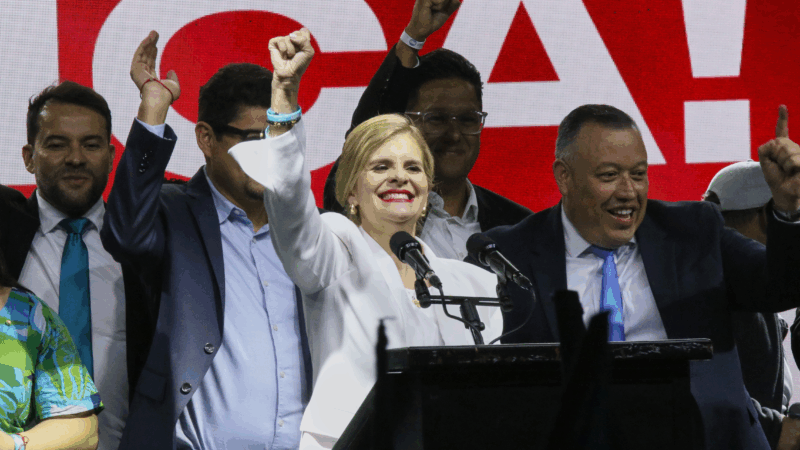
Populist conservative Laura Fernández wins Costa Rica’s presidential election
Candidate Laura Fernández won a resounding victory, promising to continue the aggressive reorienting of the Central American nation's politics started by her predecessor.
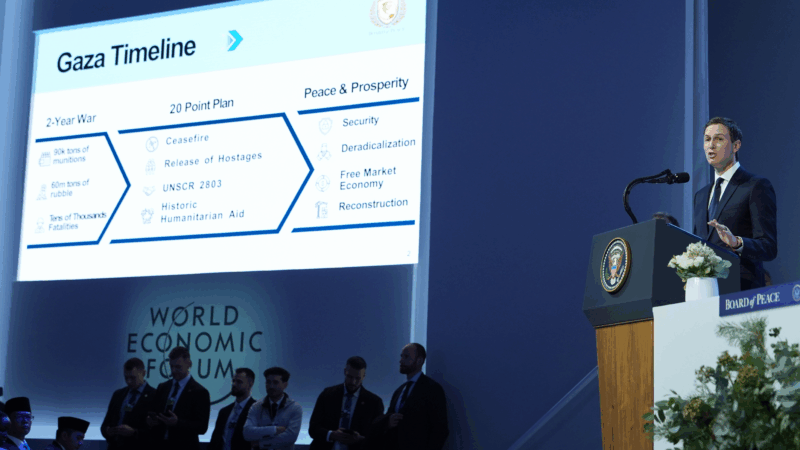
What Jared Kushner’s ‘New Gaza’ plan includes, and what it leaves out
President Trump's son-in-law Jared Kushner laid out a plan for a "New Gaza." A close look suggests it makes room for fewer Palestinians and less housing.
Trump administration sued over visa freeze on immigrants from 75 countries
A group of nonprofit organizations and U.S. citizens Monday filed a lawsuit challenging the Trump administration's sweeping suspension of immigrant visa processing for people from nearly half of the world's countries.
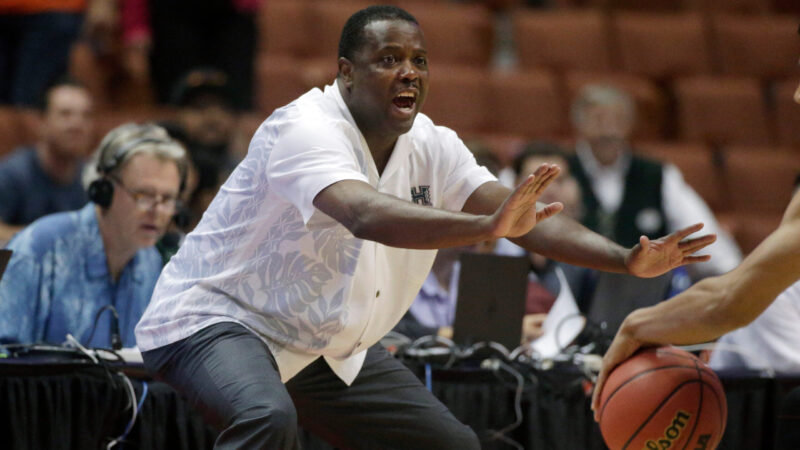
Tuskegee men’s basketball coach handcuffed after intervening in postgame incident
A statement from civil rights attorney Harry Daniels' office said Benjy Taylor was concerned about Morehouse football players who “were acting aggressively” toward Tuskegee players and their parents during postgame handshakes on Saturday.
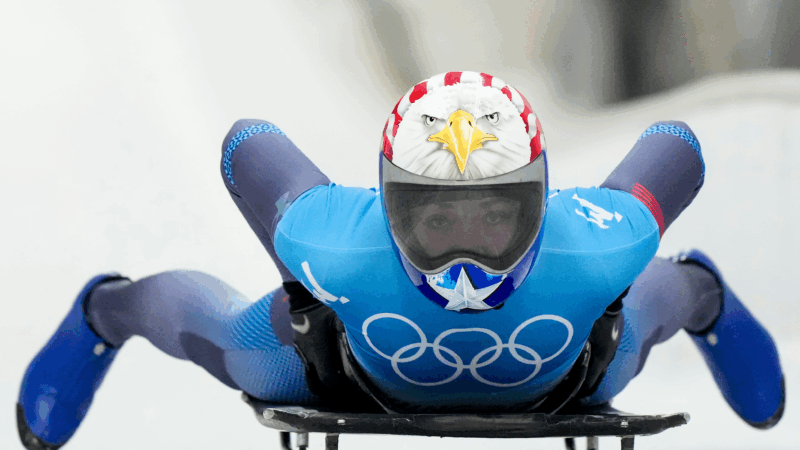
U.S. sledder Katie Uhlaender appeal denied, won’t race at Milan Cortina Olympics
International officials say a point-rigging scheme denied American Katie Uhlaender a shot to compete in the Milan Cortina Olympics. But a sports tribunal based in Switzerland says it can't intervene.
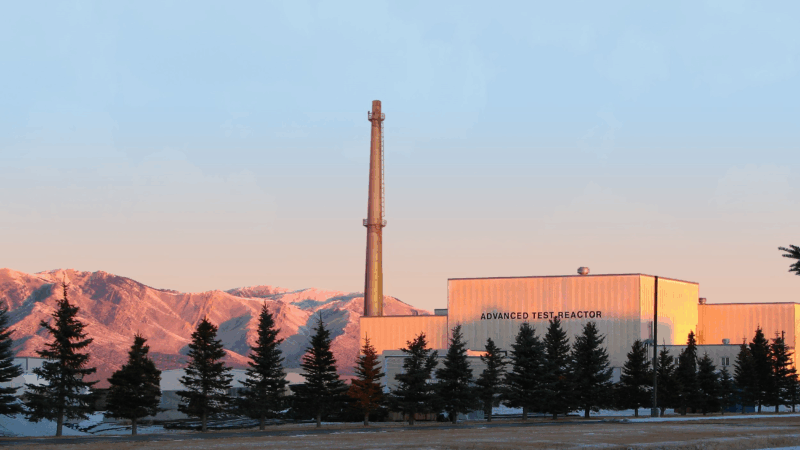
The Trump Administration exempts new nuclear reactors from environmental review
The announcement comes just days after NPR revealed the administration had secretly rewritten safety and environmental standards.
