
5 years since Brexit, are Britain and the EU getting back together?
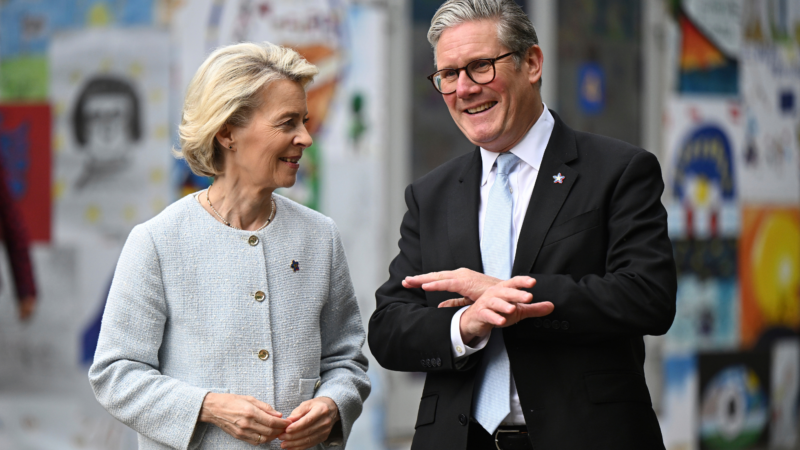
LONDON — As Britain and the European Union hold their first summit Monday since Brexit, analysts say it’s less like a couple getting back together, and more like exes realizing they’ve still got to work together because of the kids.
It’s been nine years (2016) since Britons voted to leave the EU, and five years (2020) since the change actually kicked in. For some Brits, Brexit means the ability to control their own borders, and freedom from foreign regulation in Brussels. For others, it was an embarrassing own goal that left their economy smaller and rattled relations with their biggest trading partner.
But with a war in Ukraine and the Trump administration rethinking old alliances, Britain and the EU are realizing they may need each other more than they thought.
On Monday, British Prime Minister Keir Starmer welcomes top EU officials to London, including European Commission President Ursula von der Leyen, for their first official summit since their breakup. Here’s what’s expected to happen — and what’s not.
Are Britain and the EU getting back together?
Polls show a majority of Britons now believe it was wrong for the United Kingdom to leave the EU. Some call it “Bregret” or “Regrexit.” Their economy suffered.
But Brexit was tumultuous. There were campaigns, then the 2016 referendum, then four years of negotiations that followed, then the actual exit in 2020. And there’s also now what some call “Bresignation” – the idea that even if it was a mistake, Britain is resigned to its fate outside the EU, and there’s little appetite for reversing the process.
So Starmer, who was against Brexit, says he’s doing what he calls a “reset” with the EU.
“It’s like a couple broke up but still have quite a lot of things they still have to manage together. So it wasn’t just like splitting up the record collection,” says Jill Rutter, a former top civil servant for the U.K. who worked on Brexit. “It’s more like, you agreed on a deal for custody of the kids for five years, but then said, we’ll come back to it and sort it out longer term.”
Britain and the EU already have tariff-free trade, according to their 2020 breakup agreement. So what they’re working out at Monday’s summit is smaller stuff: How much access the European fishing industry can have to British waters, whether British college students can work summer jobs in Europe and vice versa, and which airport e-passport gates citizens can use.
Some topics are off the table though
The British government will remain outside the EU’s single market trading bloc.
Britain will continue to sign its own trade deals. It recently struck a deal for relief of U.S. tariffs on British steel, aluminum and most cars. It also signed a comprehensive trade deal with India this month.
Another red line for Britain is mobility.
When it was part of the EU, anyone from one of its other member states could live and work freely in the U.K. It’s one of the things that motivated Brexit. Many Britons who voted to leave the EU say they did so because they want to control their own borders, limit immigration and have a say in who can settle in the country.
Immigration is still a contentious issue in Britain. A far-right anti-immigrant party called Reform U.K., led by a Trump confidant Nigel Farage, made big gains in England’s local elections last month. Starmer, whose center-left Labour Party has a large majority in the U.K. Parliament, has adopted some of Farage’s populist language on immigration.
Some on the right accuse Starmer of going against the will of voters in that 2016 Brexit referendum by holding this summit. Some front-page newspaper headlines Monday accuse him of “betrayal” and “selling out.” Farage calls Starmer’s position an “abject surrender.”
“We’re in a situation where Reform U.K. is doing very, very well in the polls. Both they and the [opposition] Conservative Party are very opposed to any renegotiation with the European Union,” explains Anand Menon, professor of European politics at King’s College London. “So there is a fear on the part of the government that if they go too far, or if they make too much out of this negotiation with the EU, they’ll be vulnerable to criticism from the right.”
So what’s left to discuss?
Menon says with the single market and freedom of movement off the table, what’s left are smaller-scale things: How to improve agricultural trade, or how to make it easier for lawyers and accountants to work in each other’s countries.
They’re announcing new agreements on fishing rights. An initial post-Brexit deal governing reciprocal access to British and European waters is due to expire at the end of June 2026.
There’s also likely to be cooperation in climate policy, carbon markets, or even music. Elton John has been lobbying for less red tape for British musicians who go on tour in Europe.
But overall, analysts say it’s the symbolism of this summit — that it’s happening at all — rather than its contents, that’s important.
Two elephants in the room: Ukraine and Trump
The most important deals may be related to defense, security — and ultimately, Ukraine.
Since Russia’s full-scale invasion, Britain and the EU have been among Ukraine’s top supporters. They’re already bolstering the country’s defense, and have been discussing the possibility of sending peacekeepers to Ukraine as part of a future peace deal.
Both are engaged in a historic rearmament push, amid the Trump administration’s warnings that the U.S. may not guarantee Europe’s security forever. The U.K. and EU are also both spending more on their own defense, amid Trump’s calls for NATO members to share the burden of funding and arming the alliance.
These new geopolitics have set the stage for renewed ties between the U.K. and EU.
“Two things are happening in defense and trade: One is that the U.S. no longer looks so committed [to Europe’s security], and that’s why you’re getting the Europeanization of defense,” says Rutter, the former civil servant. “The other is Trump, who’s made the whole world’s trading environment much more turbulent. Some [in the U.K.] are saying, don’t you want to be in at least one of these big trading blocs? Because that’s a safer place to be.”
Brexit was tumultuous, and bitter. There were hard feelings, for years.
But with the war in Ukraine and Trump in power, “both sides recognize that it is incumbent on them to show they can put up a common front,” says Menon, the political scientist.
“Actually, for all our differences, in a world that’s as scary as the one we’re living in, there are bigger issues where we need to work together,” he says.
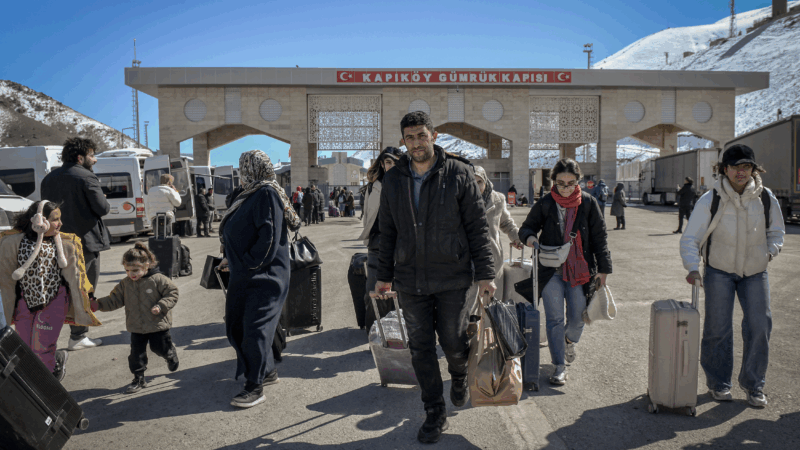
U.S-Israeli strikes continue across Iran, Iranian drones hit Azerbaijan
The U.S. and Israel said they conducted new strikes inside Iran overnight, targeting ballistic missile launchers. Iran claimed it struck a U.S. oil tanker in the northern Persian Gulf.
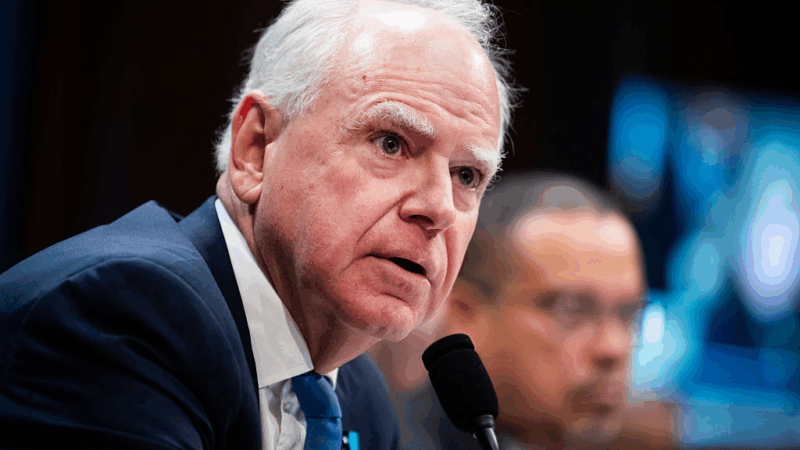
In lawsuit, Minnesota accuses Trump administration of ‘weaponizing’ Medicaid funding
The federal government said the state should do more to fight fraud and is holding back funds. Minnesota officials say the attack is unfair as the state's fraud rate is well below national averages.

Wall Street is betting on tariff refunds after Supreme Court ruling
When the Supreme Court struck down many of President Trump's tariffs, it left importers wondering how long they'd have to wait to get their money back. Hedge funds are offering to help out.

Announcing the 2025 NPR College Podcast Challenge Honorable Mentions
Here are some of the best entries in NPR's 2025 College Podcast Challenge.

When ICE came, Minneapolis created underground health networks. Should other cities?
The Trump administration's immigration crackdown in Minneapolis forced some families into hiding and catalyzed informal medical networks to deliver critical health care services inside homes.
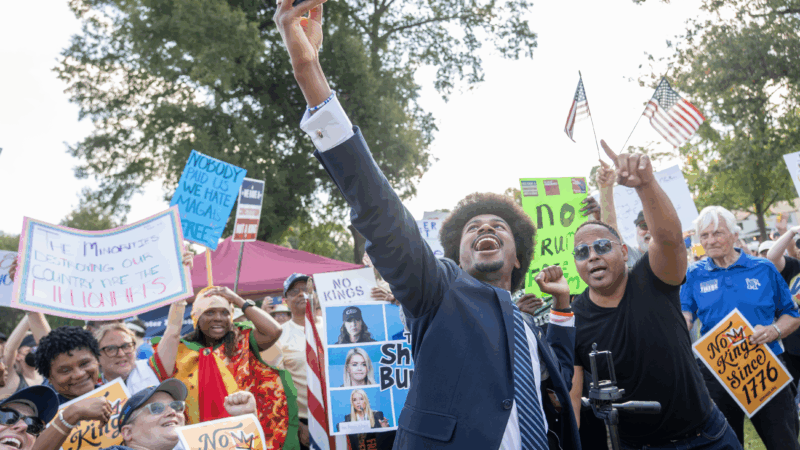
A run for their money: Young candidates rival older incumbents in midterm fundraising
As a growing crop of young candidates challenge longtime Democratic incumbents, some are not just breaking through in the money race, but outraising their opponents altogether.
