
5 European nations say Alexei Navalny was poisoned and blame the Kremlin
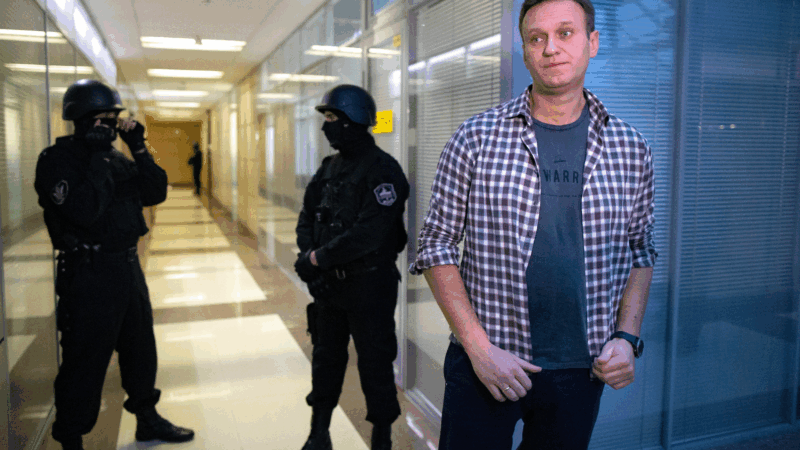
LONDON — Russian opposition leader Alexei Navalny was poisoned by the Kremlin with a lethal toxin derived from the skin of poison dart frogs, five European countries said Saturday.
The foreign ministries of the U.K., France, Germany, Sweden and the Netherlands said analysis of samples from Navalny, who died two years ago, “have conclusively confirmed the presence of epibatidine.” It is a toxin found in poison dart frogs in South America that is not found naturally in Russia, they said.
The countries said in a joint statement that “Russia had the means, motive and opportunity to administer this poison.” They said they were reporting Russia to the Organization for the Prohibition of Chemical Weapons for a breach of the Chemical Weapons Convention.
British Foreign Secretary Yvette Cooper said “Russia saw Navalny as a threat. By using this form of poison the Russian state demonstrated the despicable tools it has at its disposal and the overwhelming fear it has of political opposition.”
Navalny, who crusaded against official corruption and staged massive anti-Kremlin protests as President Vladimir Putin’s fiercest foe, died in the Arctic penal colony in February 2024. He was serving a 19-year sentence that he believed to be politically motivated.
Navalny’s widow, Yulia Navalnaya, said last year that two independent labs had found that her husband was poisoned shortly before he died. Navalnaya has repeatedly blamed Putin for Navalny’s death, something Russian officials have vehemently denied.
Navalnaya said Saturday that she had been “certain from the first day” that her husband had been poisoned, “but now there is proof.”
“Putin killed Alexei with chemical weapon,” she wrote on social network X, calling Putin “a murderer” who “must be held accountable.”
Russian authorities said that the politician became ill after a walk and died from natural causes.
In 2020, Navalny was poisoned with a nerve agent attack he blamed on the Kremlin, which always denied involvement. His family and allies fought to have him flown to Germany for treatment and recovery. Five months later, he returned to Russia, where he was immediately arrested and imprisoned for the last three years of his life.

Oil surges to its highest price since 2023, and stocks drop after U.S. jobs report
Stocks fell Friday on worries that the economy could become stuck in a worst-case scenario of stagnating growth and high inflation. Oil prices touched their highest levels since 2023 after surging again because of the Iran war.

No lawsuits required: U.S. Customs is working on a system to refund tariffs
U.S. Customs told the trade court it aims for a streamlined process in 45 days to return importers' money without requiring individual lawsuits.

Poll: A majority of Americans opposes U.S. military action in Iran
Most Americans disapprove of President Trump's handling of Iran, and a majority sees Iran as either only a minor threat or no threat at all, an NPR/PBS News/Marist poll finds.

Your Winter Paralympics primer: What, who and how to watch
Hundreds of para athletes are competing in Italy through March 15. Many Americans are defending past titles, with the U.S. sled hockey team hoping to fend off rival Canada for its fifth straight gold.
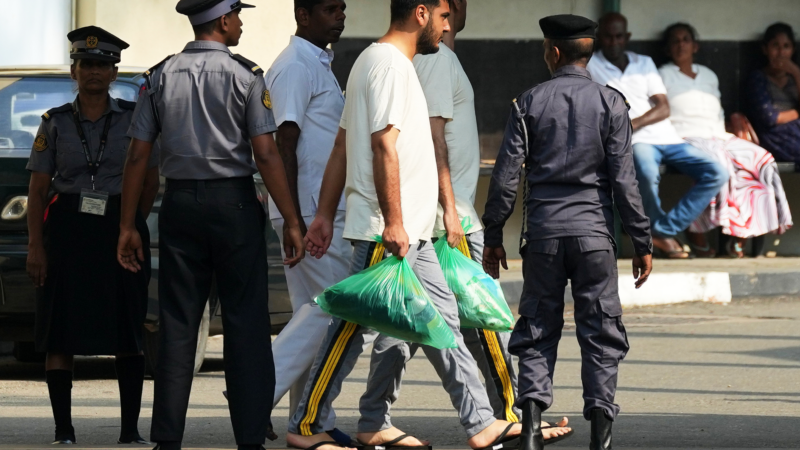
After the U.S. sinks an Iranian warship, Sri Lanka takes custody of an Iranian vessel
The move followed Wednesday's sinking of another Iranian warship by a U.S. submarine. Australia confirmed three Australians were on that submarine.
Olympian Alysa Liu has also inspired fans off the ice — in the hair salon
The gold medal-winning figure skater came to the Milano Cortina winter games with a distinctive "raccoon" hairstyle — alternating rings of dark and light hair. Now, fans are following her lead.
