
Federal judge orders Jefferson County to redraw racially gerrymandered districts
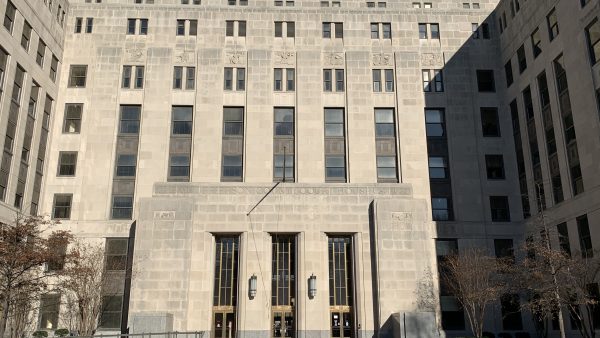
A federal judge on Tuesday ordered Alabama’s largest county to redraw county commission lines after ruling that the districts were unconstitutional because of racial gerrymandering.
U.S. District Judge Madeline H. Haikala ruled the county map was unconstitutional because race was the predominant factor when the Jefferson County Commission drew districts. The ruling came in a 2023 lawsuit that says the plan overly packed Black voters, who make up 40% of the county population, into just two districts.
“Because the 2021 plan violates the Fourteenth Amendment’s protection against racial gerrymandering, the Court permanently enjoins the Commission and its agents from using the 2021 plan in Jefferson County Commission elections,” Haikala wrote.
Jefferson County is Alabama’s largest county and home to Birmingham, the city center of the largest metropolitan area in the state. A new map could shift the balance of power in the county. The commission is made up of three Republicans and two Democrats.
Cara McClure, the lead plaintiff in the lawsuit, said she is looking forward to the commission “coming to the table to finally draw a map that is fair to Black voters in the county.”
“The County Commission is responsible for so many things that impact our everyday life. The main thing is making sure every voice and every vote is heard and counted. And that’s not what has been happening,” McClure said, who is executive director of Faith and Works Statewide Civic Engagement Collective.
The judge gave the county and plaintiffs 30 days to file a report on the development of a remedial redistricting plan.
“We are currently reviewing the order to determine next steps,” Jefferson County Attorney Theo Lawson wrote in an email to The Associated Press.
Kathryn Sadasivan, assistant counsel with NAACP Legal Defense Fund, said the existing plan overly packed Black voters into the two districts while the county sought to maintain set racial ratios in the other three.
“It’s a problem of not just those two districts that were maintained at super majority Black status without consideration of what the Voting Rights Act required, but also an explicit attempt to maintain the racial ratios of Black voters to white voters in every other district,” Sadasivan said.
Haikala noted in a footnote that the results of the case might be different if the commission showed that the higher percentage of Black voters was required to ensure they could select the candidates of their choice. But the judge said the commission offered no such evidence.
Jefferson County was the site of some of the most infamous moments of the Civil Rights Movement, including the 1963 bombing of 16th Street Baptist Church that killed four girls. The industrial city has evolved into a corporate economic engine fueled in part by the banking and medical industries.
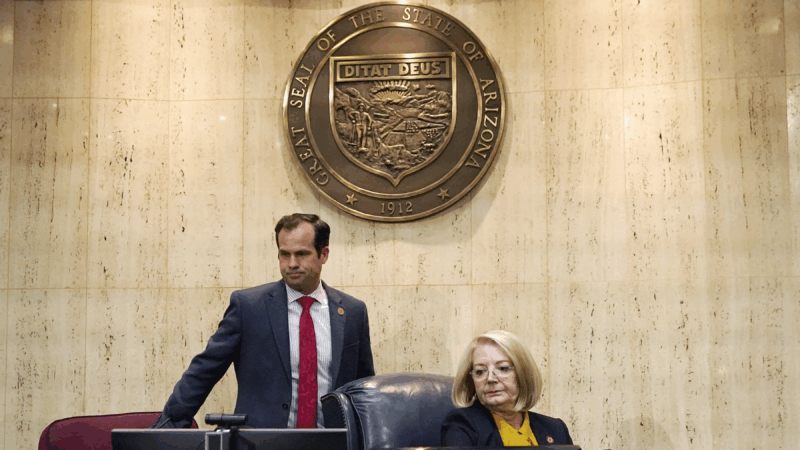
Top Arizona lawmaker says he’s complied with a subpoena for 2020 election records
Arizona's state Senate president says he has complied with a subpoena he received last week seeking records from a flawed, Republican-led review of the 2020 election in Maricopa County.
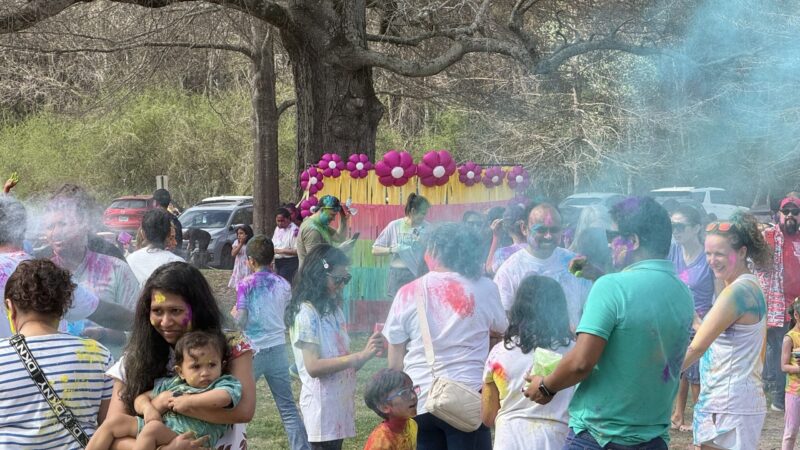
Colors fly as Hoover celebrates Holi
Colored powder filled the air at Veterans Park in Hoover on Saturday. Crowds gathered to celebrate Holi, the Hindu festival of Spring, usually identified by the throwing of colors.
Americana’s newcomer Jobi Riccio faces the pressure on her new record
The country and bluegrass songwriter talks about her sophomore album, Face the Feeling, out May 15.
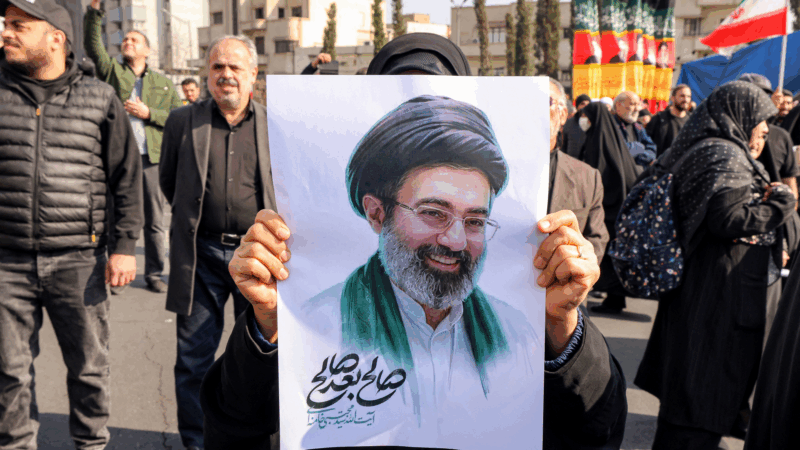
What to know about Mojtaba Khamenei, Iran’s new supreme leader
The second son of the late supreme leader keeps a low profile. But he's long been viewed as wielding his power behind the scenes, from crushing dissent to influencing presidential elections.
Anthropic sues the Trump administration over ‘supply chain risk’ label
The Pentagon told suppliers they can't use Anthropic's artificial intelligence tools after the company said it would not let its tech be used for autonomous weapons and mass domestic surveillance.
This historian dug up the hidden history of ‘amateur’ blackface in America
In her new book, Darkology, historian Rhae Lynn Barnes writes about how blackface and minstrel shows became one of the most popular forms of entertainment in 19th- and 20th-century America.
