
Lest we forget: NPR’s public archive features video and court records related to the Jan. 6 attack
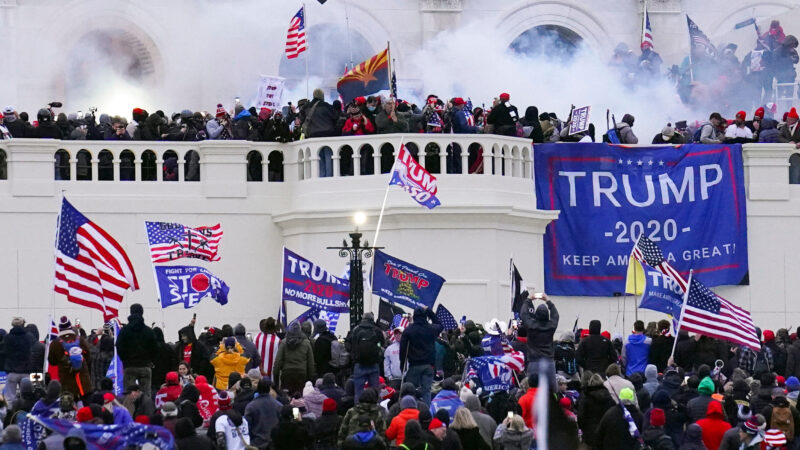
Rioters storm the West Front of the U.S. Capitol, Jan. 6, 2021, in Washington.
This week marks the fifth anniversary of the attack on the U.S. Capitol. To help preserve the account of that historic event, NPR has assembled a public archive that includes hundreds of videos of the riot, as well as case files for almost 1,600 people accused of participating in the incident.
NPR investigations correspondent Tom Dreisbach helped lead the project. He spoke with WBHM’s Richard Banks about the mammoth database and how a rioter from Alabama played a pivotal role in the attack.
This interview was edited for length and clarity.
The database itself, list off or summarize what’s included.
We at NPR tracked every single criminal prosecution from the January 6, 2021, attack on the Capitol. So that ended up being more than 1,500 cases in total, across a wide variety of charges. And then the cases that were still ongoing by the time President Trump came into office on January 20, 2025 – and at that point, he issued mass pardons for the January 6 defendants, and then also dismissed all of those ongoing cases. And now we’ve recently added hundreds of videos from the case files that people can look at and evaluate for themselves. So they can see some of the actual evidence that was presented in court.
What did the Trump administration do to the data compiled by the federal government? What role did the administration play in your decision to put this database together?
The administration deleted the government’s own database of January 6 charges. And that meant that NPR’s database, which we had been developing for years, was then left as the sole comprehensive resource for all of those criminal cases.
What were your sources in terms of the individuals and the video?
We pulled all of our information from the court records. I went to multiple January 6 trials in person and we evaluated [others] from the court records, the paper records that we had. And then another source was just, we actually had to go to court to preserve some video evidence from the January 6 cases. We’re part of a media coalition that requested the video evidence, and then we used that to see a lot of the evidence presented in court.
What were some of the surprises that you came across that you learned?
I think one of the big takeaways from watching really thousands of videos that form the backbone the January 6 criminal cases is the brutality of the violence. You can see it on police body cam footage, as rioters use a variety of weapons to assault the officers. And then the body cam also shows the extent of the injuries – bloodied fingers, officers struggling to breathe because of the chemical sprays like bear spray or pepper spray that the rioters used, dealing with the after effects of being tased – and they are really left with the traumatic memories of coming home and their wives or their husbands just breaking down in tears finally being able to see their partners once more.
And are you familiar with any of the Alabama suspects?
One of the defendants from Alabama is a man named Lonnie Coffman and his role in the riot is interesting, because he drove to Washington D.C. with quite an arsenal of weapons in his truck. And it was discovered – his truck – with all this cache of weapons and Molotov cocktails right around the time of the first breach of the Capitol, as well as the discovery of two pipe bombs that were discovered at the Democratic National Committee and Republican National Committee headquarters. [Editor’s note: Coffman has not been charged in relation to the placement of the pipe bombs.] And as a result of those discoveries, Capitol Police were really diverted at a critical moment, when rioters were just flooding onto Capitol grounds.
What do you hope this database does?
I really just hope that people can look at the evidence and come to their own conclusions totally apart from the political realm.
Iran’s soccer team cannot participate in the FIFA World Cup, Iranian minister says
Iran is set to play three games in the U.S. this June. But amid the U.S.-Israel military campaign that has killed Iran's supreme leader, Iran's sports minister said the team would pull out.
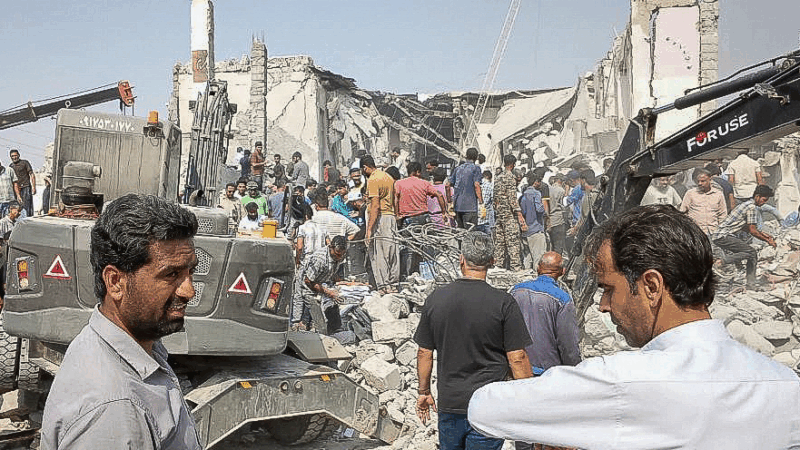
Pentagon probe points to U.S. missile hitting Iranian school
A military assessment suggests a U.S. Tomahawk cruise missile was responsible for at least 165 deaths at an Iranian girls' school, according to a U.S. official who was not authorized to speak publicly.

Harrison Ford isn’t retiring: ‘I really wouldn’t know what to do with myself’
Ford struggled to find his footing in Hollywood before being cast as Han Solo in Star Wars. Now 83, he plays a therapist in the Apple TV series Shrinking: "I really do love the work," he says.
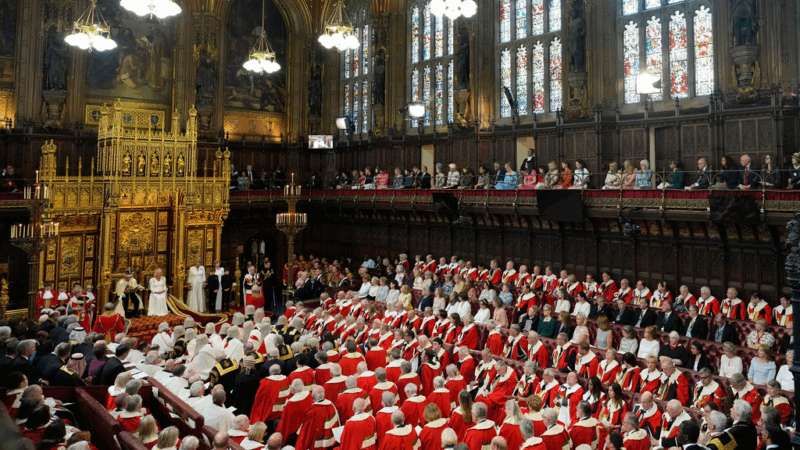
No Nobles Day: Britain’s Parliament boots its last hereditary Lords after 700 years
Government minister Nick Thomas-Symonds said the change put an end to "an archaic and undemocratic principle." The removed aristocrats are 92 of the House of Lords' 800 members.

On her new album, Kacey Musgraves returns home, to the ‘Middle of Nowhere’
Before making her upcoming sixth album, the country star returned to her small-town Texas home and discovered the power of in-between spaces. "I found a lot of clarity there," she says.

How the Iran war is disrupting air travel — and advice if you’re planning a trip
The war in Iran is roiling jet fuel prices and airlines are beginning to hike prices, unsettling travelers far from the Middle East. If you're booking a flight soon, here are things to know.
