
Lawmakers advance bill banning candy and soda from SNAP benefits

Alabama is one of the most obese states in the nation. One state lawmaker says SNAP benefits, commonly known as food stamps, could be used to turn that around. We talk about that and other legislative matters this week with Todd Stacy, host of Capitol Journal on Alabama Public Television. He spoke with WBHM’s Andrew Yeager.
This interview was edited for length and clarity.
So this proposal on SNAP, which passed a Senate committee on Wednesday, what would it do?
So yeah, you’re familiar with SNAP, the Supplemental Nutrition Assistance Program, commonly known as food stamps. So it helps low-income people buy groceries. And what this bill would do is prohibit certain sugary products — cokes, candy, things like that — from being purchased with SNAP benefits, with food stamps. These kind of proposals have been around for a long time, but their argument on the other side is if they’re readily available to anybody else, why should low-income people not have the same rights to those foods?
Senator (Arthur) Orr, who sponsored this bill, he’s had it multiple years. It rarely makes it beyond committee. This year might be different because you’re hearing talk around the same kind of proposal from the federal government, from the president actually. And so it could get some legs this time.
A House committee passed a bill this week that would put further requirements on the Alabama Board of Pardons and Paroles when they evaluate an inmate up for parole. How would this bill change things around that process?
The Board of Pardons and Paroles has been controversial because they really ground to a halt where they weren’t allowing anybody out on parole, even those that qualify. And so this has been a recurring issue trying to get the board to really follow its own procedures and the law. What this would do is require the board, when we’re making a decision about parole, somebody’s coming up for a parole decision, require them to consider that inmate’s employment and education while they’ve been incarcerated.
A lot of inmates get their degrees or get their diplomas or everything while they’re locked up. And so it would require them to take that into consideration and also take into consideration the risk assessment of that inmate, the risk to society. And so just trying to make sure that the board is taking into account these factors that should be important in terms of parole decisions.
This past Monday was Groundhog Day, and if there’s anything that feels like Groundhog Day in the Alabama legislature, it’s a gambling bill. They pop up every year and never quite make it across the finish line. Well, we have one this year, and Todd, what does this year’s gambling bill look like?
That’s a great way to think about it, too. So, yes, State Senator Merika Coleman actually made some news on Capital Journal last week, when she said she’s going to be bringing a gambling bill. She called it a lottery bill, but it actually goes beyond a lottery. It’s a constitutional amendment that would call for an up or down vote on a lottery, casinos, and then sports betting, in-person and online sports betting. Very similar to previous proposals. She believes that people ought to be able to vote on this.
But I don’t expect it to go anywhere this term. They’ve had two big pushes on gambling and it’s failed pretty dramatically. And so the leader of the Senate, Garland Gudger, has said, no, we’re not dealing with this the rest of the term until after the elections. Same thing from the Speaker of the House. He said, look, the House isn’t dealing with us anymore. So unless she gets a big groundswell of support, it’s gonna be hard to navigate this bill. And again, I think that’s gonna be an issue that is probably picked up in the next term. We’re going to have a new governor. We’ll have a lot of new lawmakers. But I do consider the issue pretty much dead for this term.
Lastly, we saw a final passage around a bill putting age restrictions on apps on phones. Remind us what that’s about.
Right now, there aren’t any restrictions in terms of if a minor has a cell phone, they can go to the app store and do whatever they want. This would put age restrictions on those app store providers, Apple, Google, to verify a user’s age. And once that is verified, any minor under 18 would require their cell phone, their app store to be connected to their parents. And it would get parental notification Any time they’re trying to download certain apps and everything. The whole point is to protect young people from inappropriate content online and predatory schemes. And so this bill has been around for a couple of years. It finally got final passage and so it’s heading to the governor’s desk.

In reversal, Warner Bros. jilts Netflix for Paramount
Warner Bros. says Paramount's sweetened bid to buy the whole company is "superior" to an $83 billion deal it struck with Netflix for just its streaming services, studios, and intellectual property.
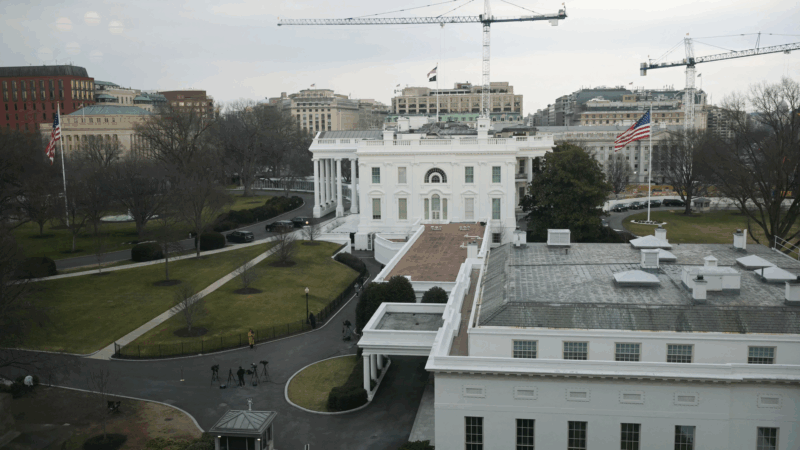
Trump’s ballroom project can continue for now, court says
A US District Judge denied a preservation group's effort to put a pause on construction

NASA lost a lunar spacecraft one day after launch. A new report details what went wrong
Why did a $72 million mission to study water on the moon fail so soon after launch? A new NASA report has the answer.
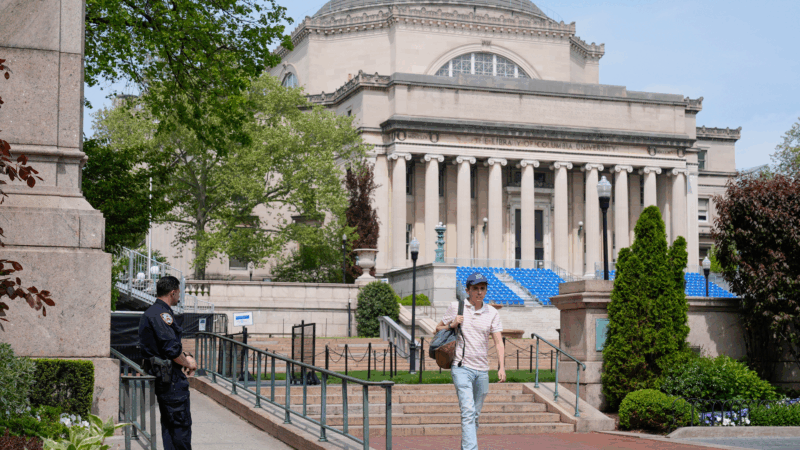
Columbia student detained by ICE is abruptly released after Mamdani meets with Trump
Hours after the student was taken into custody in her campus apartment, she was released, after New York City Mayor Zohran Mamdani expressed concerns about the arrest to President Trump.

These major issues have brought together Democrats and Republicans in states
Across the country, Republicans and Democrats have found bipartisan agreement on regulating artificial intelligence and data centers. But it's not just big tech aligning the two parties.
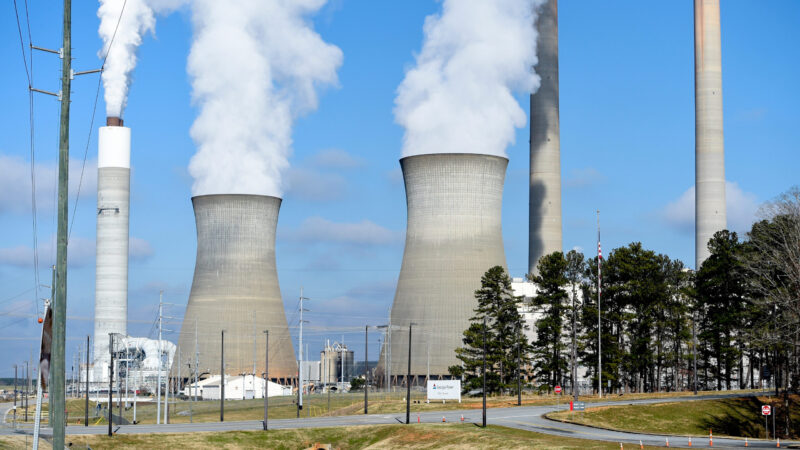
Feds announce $4.1 billion loan for electric power expansion in Alabama
Federal energy officials said the loan will save customers money as the companies undertake a huge expansion driven by demand from computer data centers.
