
Immigration enforcement bill draws public backlash
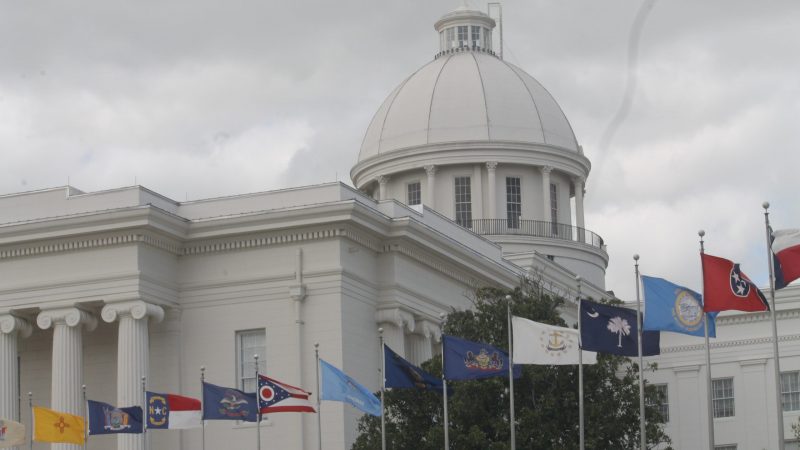
President Trump has made immigration enforcement a centerpiece of his second term. A bill under consideration in the Alabama legislature would dovetail with those efforts by expanding what law enforcement could do on immigration in the state. We get more details about that and other legislative matters in our weekly check-in with Todd Stacy, host of Capitol Journal on Alabama Public Television. He spoke with WBHM’s Andrew Yeager.
This interview was edited for length and clarity.
Let’s start with this immigration enforcement bill itself. How would it change things?
It’s important to remember this bill has been around. This is the second year now. it’s called the Laken Riley Act, named for that University of Georgia student that was infamously killed by someone who was in this country illegally and had been arrested before and had a criminal history. It’s also been passed on the federal level. In fact, our own Sen. Katie Britt sponsored that.
What this bill would do is allow state and local law enforcement agencies in Alabama to enter into agreements with feds, with ICE, Immigrations and Customs Enforcement, other federal agencies, to assist them in enforcing immigration law. It almost passed last year. It kind of ran into a logjam in the Senate. But the difference between last year and this year is you’ve had a lot more focus nationally on how immigration laws are being enforced. I mean, just look at what’s going on in Minnesota right now. And at this point last year, it was really more of a border thing. There was so much emphasis on closing the border, really beefing up security down there. In the intermittent time, it’s been about internal enforcement, rounding folks up and a lot of enforcement around the country. Obviously a lot more controversial.
That certainly played out in committee where they had a public hearing and members of the public came and expressed their skepticism, outright opposition, and just concerns about, you know, we don’t want to see the aggressive tactics that have happened in other states happen in Alabama.
Did the backers of the bill respond to those criticisms in any notable way?
We had the sponsor of the bill, Rep. Ernie Yarbrough. He’s like, look, nothing’s changed between now and last year when the committee passed that bill. The House passed it pretty much overwhelmingly. We still have law enforcement that need legal tools to be able to cooperate with feds. So yeah, the legal situation hasn’t changed. It’s the political situation that has changed a little bit.
I fully expect this to pass the legislature unless there’s a problem. It should pass, but it’s not going to be without some resistance along the way.
A House committee this week approved a bill that would put limits on screen time for children. What does this cover? How would it work?
We’re all addicted to our phones to one degree to another, right? And it’s one thing for folks in our thirties and forties and fifties to be spending so much time on our phones. But the little kids? I see it in my nieces and nephews. It’s toxic. And so it’s kind of a common sense idea. We need to limit screen time and especially when it comes to state policy in public schools.
So that’s what House Bill 78 would do. It would require, whether it’s a licensed child care facility, Pre-K, kindergarten classrooms, and basically early childhood education programs to limit how much screen time kids are getting. You think back years ago, getting iPads and things like that into classrooms was thought of like, this is great. This is a huge deal. We’re getting technology going. We didn’t really think about, wait a second, we could be depending too much on this. This could be bad for brain development and things like that. So there’s been just a lot of time has passed. We’ve learned more about the dangers of that. I fully expect this bill to move quickly and get some support.
Finally, a Senate committee advanced a bill that would make a new pathway for veterans to become K-12 teachers. Todd, give us the overview of this idea.
That’s right, kind of removing barriers from the certificate process for veterans who want to, maybe they’re retired and they want to go to the classroom, become teachers and serve. I just talked with the sponsor of this bill, State Sen. Matt Woods of Jasper, and he’s excited about it because number one, we do have a teacher shortage and you’ve got a lot of people with a lot valuable experience and skills from the military that they could bring to the classroom.
I think back about coming up through high school and everything. Those teachers and coaches that had served, there was a different vibe to them. Something that, whether it was Vietnam or Desert Storm, it was a different vibe and I think that can be valuable.

NASA targets Artemis II crewed moon mission for April 1 launch
A six-day launch window opens on April 1 from NASA's Kennedy Space Center in Florida. The lunar orbital mission would be the first time humans have returned to the moon since Apollo 17 in 1972.
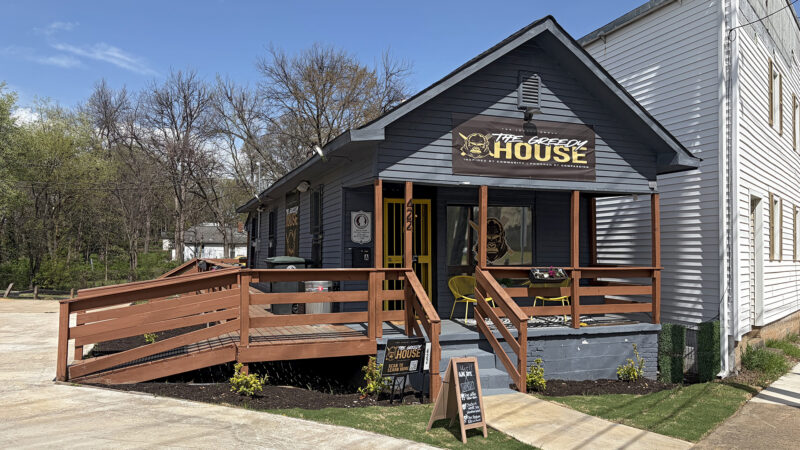
Auburn football player uses NIL funds to open a community hub in Birmingham
Jourdin Crawford, a freshman defensive lineman at Auburn, used earnings from a Name, Image, and Likeness deal to give back to his hometown.

Fear of Iranian mines in the Strait of Hormuz could further slow the flow of oil
Attacks by Iran have already nearly halted the flow of oil through the vital waterway as commercial ship crews fear being hit by missiles, drones or mines.

Bruno Mars adds yet another milestone to his career with ‘The Romantic’
Bruno Mars is the most-listened to artist in the world on Spotify. He's won 16 Grammys. In case you thought there were no battles left for him to win, this week he unlocked another achievement.

There’s more than one path to a confessional song
On new albums by viral sensation Yebba and studio whiz Pimmie, it's clear modern R&B has been clearing space for vastly different stripes of singer-songwriter.

Suspect in attack at Michigan synagogue is dead, officials say
Security officers at Temple Israel had "engaged the threat" that apparently started with a vehicle ramming into the building, according to Oakland County Sheriff Mike Bouchard.
