
Lawsuit by college professors and students challenges Alabama’s anti-DEI law
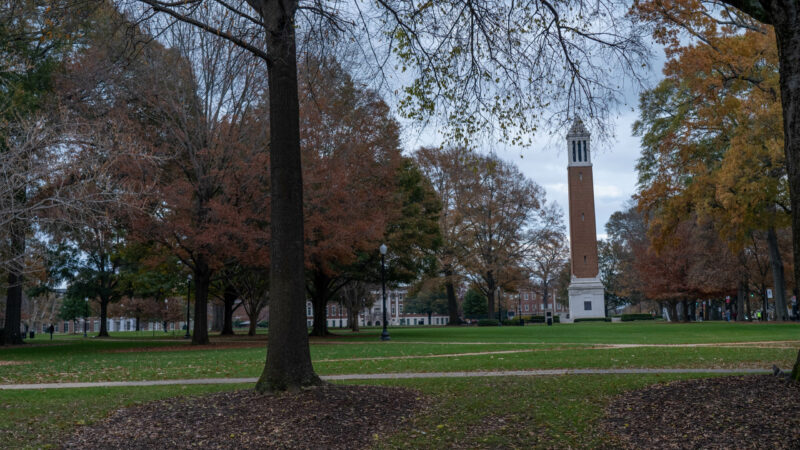
Denny Chimes stands above the Quad on the campus of The University of Alabama.
MONTGOMERY, Ala. (AP) — University professors and students in Alabama filed a lawsuit Tuesday challenging a new state law that bans diversity, equity and inclusion programs at universities and put limits on how race and gender can be discussed in the college classroom.
The complaint asserts the new law violates the First Amendment by placing viewpoint-based restrictions on educators’ speech and classroom lessons. Plaintiffs also argue the law is intentionally discriminatory against Black students because it targets concepts related to race and racism, limits programs that benefit Black students and eliminates campus spaces dedicated to student organizations that support Black students.
The NAACP Legal Defense Fund and the American Civil Liberties Union of Alabama filed the lawsuit on behalf of the Alabama State Conference of the NAACP and professors and students at the University of Alabama and the University of Alabama at Birmingham. The lawsuit asks a federal judge to declare the law unconstitutional and block the state from enforcing it.
“The Alabama Legislature’s censorship of important discussions about race and gender inequalities and its attack on so-called DEI programs are an affront to the constitutional rights of Alabama faculty and students,” Antonio L. Ingram II, Legal Defense Fund senior counsel, said in a statement about the lawsuit. “The harms are particularly salient for Black, LGBTQ+, and other faculty and students of color, whose histories and lived experiences have been dismissed, devalued, and undermined on their campuses.”
The Alabama measure, which took effect Oct. 1, is part of a wave of proposals from Republican lawmakers across the country taking aim at DEI programs on college campuses. Republicans say the programs deepen divisions and promote a particular political viewpoint. Opponents of the measure say it is a rollback of hard-won advances and programs that welcome underrepresented student populations. The lawsuit names Alabama Gov. Kay Ivey and university trustees as defendants.
“The governor stands behind this legislation and its intent,” Ivey spokesperson Gina Maiola wrote in a text message to The Associated Press.
The Alabama law prohibits universities, K-12 school systems and state agencies from sponsoring DEI programs, defined as classes, training, programs and events where attendance is based on a person’s race, sex, gender identity, ethnicity, national origin or sexual orientation. The bill also prohibits classes and training that advocate for eight “divisive concepts” including that a person should feel guilt because of their race or that fault, blame or bias should be assigned to people based on race, religion, gender or national origin.
The lawsuit lists a litany of impacts on students and professors. A social work professor said she was threatened with being fired unless she canceled a class project in which students had decided to analyze the potential negative impacts of the new state law. A political science professor said university officials told her that her course on poverty could violate the law because of its “perceived focus on learning about systematic racism,” according to the lawsuit.
Universities shuttered or rebranded their DEI offices in the wake of the law.
Lynn L. Cole, a spokesperson for the University of Alabama system, said it did not have a comment on the lawsuit.
In Florida, a similar lawsuit filed several years ago challenged the state’s “Stop WOKE” act. A federal judge issued a preliminary injunction in 2022 blocking a portion of the law that restricted certain race-based conversations and analysis in colleges.
The case is on appeal, and in July the judge overturned a portion of the law related to private businesses.
5 papers from the Super Bowl of Economics
Planet Money went to the annual meeting of the American Economics Association, and we saw some fascinating papers presented there.

I thought I’d heard my dad’s voice for the last time. A movie helped me find it again
A period drama, a Supreme Court case and voice our film critic hadn't heard in decades.

19 Winter Olympic storylines we’re watching (they’re not just about sports)
The Winter Olympics promise plenty of high adrenaline, fierce competition, historic firsts and emotional moments over 2 1/2 weeks. Here are some of the names and narratives to keep an eye on.
Privatizing Fannie Mae is risky. Would it be a win for taxpayers or Trump’s donors?
The idea has alarmed critics, who warn it could rattle financial markets and drive up mortgage rates, while potentially generating large profits for key Trump supporters.
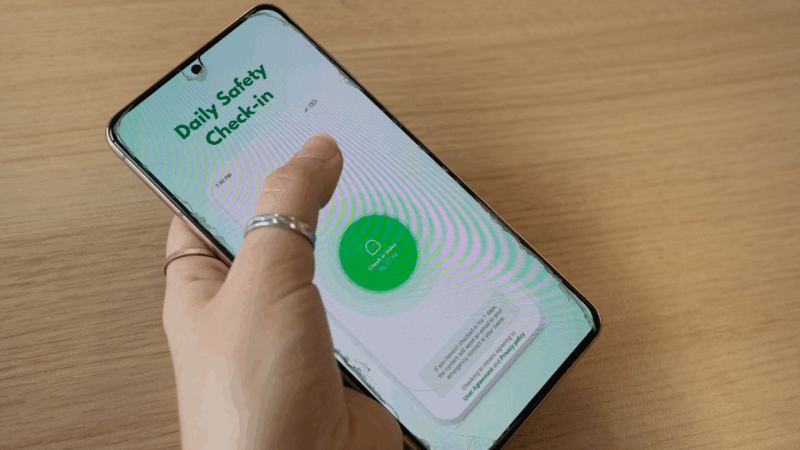
Here’s why people say they’re using ‘Are You Dead?’ and apps like it
Safety check-in apps — a way for loved ones to know that you're alive — have become more popular among adults who feel that modern life has made connection and community more difficult to maintain.

Can’t wait for Olympic curling? Trying its Southern cousin: skillet curling
It might seem inelegant to yeet an iron skillet across an ice rink. But this spinoff sport has its own techniques and lingo: You can throw a turtle at the bacon, for instance.
