
Court fees can pile up. An effort to make a more effective system stalls after Trump administration cuts
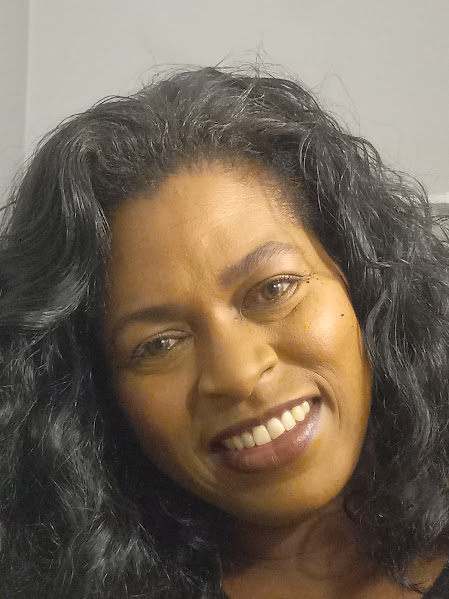
Rhonda Faye Mitchell is an administrative assistant at a personal art gallery in Birmingham. She gets distracted by the pieces – which include works from Andy Warhol as well as Alabama natives – pointing out her favorites, giving demonstrations of the moveable sculptures, and explaining how the different works make her feel.
But getting to this point has been a long journey for Mitchell. Her story starts in 1998, almost 3 decades ago. It was a hectic morning and she was trying to get the kids to school on time.
“They do not want to get up and everybody’s moving slow. I’m slinging kids everywhere, you know, getting ‘em in the car,” Mitchell said.
She sped to get them there and ended up with a ticket. A few major life changes, including a divorce and moving states, distracted her from paying the ticket and it goes years unpaid. Later, she was incarcerated for another offense. When she got out, she discovers there’s a warrant for her arrest for not paying that speeding ticket.
“It was an FTA bench warrant. Failure to appear, so they suspended my license,” Mitchell said.
One of her coworkers put her in touch with a lawyer. She found out about a mandatory court appearance and a fine. But if she had turned herself in, she would’ve been sent back to jail for violating her parole. Her lawyer fought for months to prevent her from turning herself in.
“He was like, ‘What’s the fee? What’s the fine? Like we can pay the fine.’ It took him about six months of negotiating with these people just for them to say, ‘OK, fine. Pay the fine,’” Mitchell said.
She found it difficult to reintegrate into society post-incarceration.
“Most people would say, ‘Well, you should have just turned yourself in.’ But when you’re dealing with trying to make a life, whether you were incarcerated and starting out fresh with nothing like I was, a lot of people can’t make those court dates because they have to work,” she said. “Had I not had a person that went in and fought for me, then I probably wouldn’t be sitting in here.”
Mitchell’s situation reflected a broader issue within the criminal justice system. Those found guilty of a crime are often sanctioned financially, most commonly in the form of restitution to the victim. However, they will also be issued court fines and fees.
Leah Nelson is a researcher and analyst who was working on a project to make court fines and fees more equitable. Her research began in Jefferson County.
“What we’ve found over the years is that fines and fees can add up to really large amounts that are not collectible because the people who owe them are unable to pay,” Nelson said.
She said the population is often indigent – meaning they can’t afford additional fines and fees.
“People make really desperate choices when they owe this money. They forgo rent. They don’t get medicine. They have trouble taking care of their children or other dependents. Administratively, they might face sanctions like losing their driver’s licenses,” she said.
One of the goals of Nelson’s project was to reduce recidivism.
“In Jefferson County. We were able to see that the same people that are affected disproportionately and negatively by mass incarceration are also, not surprisingly, disproportionately and negatively affected by these financial consequences,” Nelson said.
Another goal was to prevent the legal system from being undermined. She said people in these situations start to feel like the system only exists to extract money from them. It not only creates distrust with the courts, it creates distrust with law enforcement. They become afraid to contact police due to potential warrants for not being able to pay back their fines and fees.
“We think about needing people to be willing to talk to police in places like Birmingham or Montgomery where there’s a lot of violent crime. It’s very important that we have trusting relationships with police,” she said.
People also often don’t end up paying back what they owe. Nelson said 54% of the people in the Jefferson County cohort didn’t pay anything at all toward their fines and fees.
“You want court orders to be binding. You want disputes to be resolved in courts. You need people generally to be following them,” she said.
The project aimed to find a way for courts to better issue fines and fees.
“Identify ways to improve the fair administration of justice, whether that was by doing ability to pay hearings at the time that the debt was assessed so that the amount assessed would be more payable. Or just finding other interventions to improve compliance, because that’s really important,” Nelson said.
She said the Department of Justice realized this was an issue as well. The DOJ issued a $2.5 million grant to take the project to 4 other states, but recently it was cancelled by the Trump administration.
“To have that work terminated by an administration that uses the term government efficiency all the time is ironic and enraging,” she said.
The project’s expansion
The research in Jefferson County is privately funded, meaning the reporting out of Alabama will continue. The same can’t be said for other jurisdictions.
Judge Jacob Coolidge is a municipal judge in Missoula, Montana. He said beyond the humanitarian issues with fines and fees, the research was showing that fining people wasn’t the most effective punishment.
“In some instances, some of the research is actually showing that it increases the likelihood of continuing to engage in [illegal] conduct,” he said.
The project was also helping his office find different tools for punishment.
“For instance, broadening definitions of community service and being flexible about things people can do to get credit off of their fines,” Coolidge said. “So trying to continue to be aware and creative about alternatives to fines in a system that predominantly uses fines.”
Since the grant was cancelled, they’ve lost momentum on the data analysis. His jurisdiction was working with a UAB professor who was conducting research on how much it costs the government to collect fines and fees.
“I was really excited to see that because in similar studies, what researchers have found is that usually you, the government entity, is spending more money dollar for dollar to collect the fines than if it didn’t do anything,” he said.
The project’s cancellation also means that despite the federal government choosing Montana to conduct a statewide study on the issue, that research won’t happen.
“The findings of that could have really informed legislative policy and how we do things like fees, where the money is going, whether or not fees are a realistic source of statewide income moving forward” he said.
Though federal support has been withdrawn, Coolidge says efforts to create a fairer, more effective approach to fines and fees continue in Missoula. Efforts to do that on a wider scale though will now happen without the DOJ’s help.
HUD proposes time limits and work requirements for rental aid
The rule would allow housing agencies and landlords to impose such requirements "to encourage self-sufficiency." Critics say most who can work already do, but their wages are low.
Paramount and Warner Bros’ deal is about merging studios, and a whole lot more
The nearly $111 billion marriage would unite Paramount and Warner film studios, streamers and television properties — including CNN — under the control of the wealthy Ellison family.
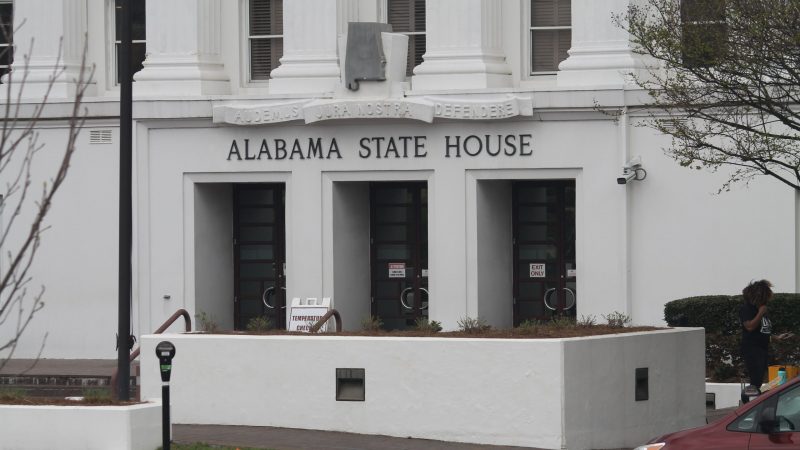
Bill making the Public Service Commission an appointed board is dead for the session
Usually when discussing legislative action, the focus is on what's moving forward. But plenty of bills in a legislature stall or even die. Leaders in the Alabama legislature say a bill involving the Public Service Commission is dead for the session. We get details on that from Todd Stacy, host of Capitol Journal on Alabama Public Television.
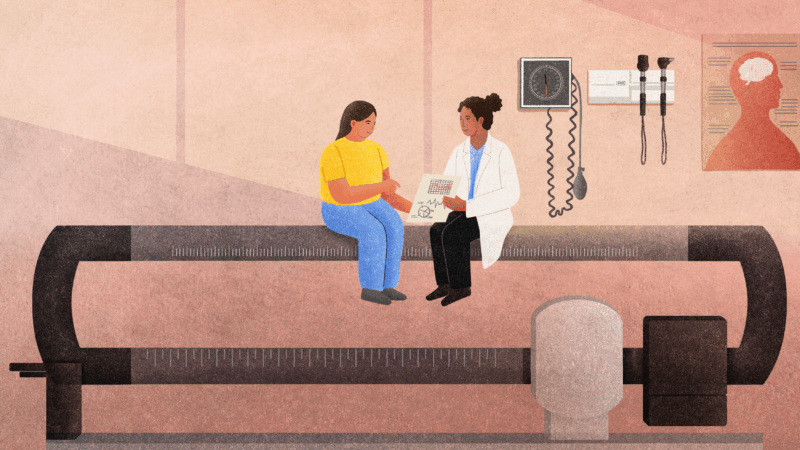
My doctor keeps focusing on my weight. What other health metrics matter more?
Our Real Talk with a Doc columnist explains how to push back if your doctor's obsessed with weight loss. And what other health metrics matter more instead.
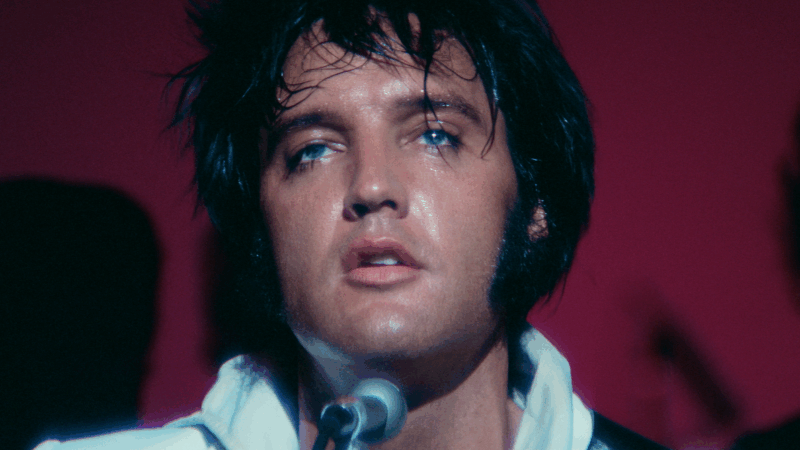
Baz Luhrmann will make you fall in love with Elvis Presley
The new movie is made up of footage originally shot in the early 1970s, which Luhrmann found in storage in a Kansas salt mine.

Forget the State of the Union. What’s the state of your quiz score?
What's the state of your union, quiz-wise? Find out!
