
‘Bloody Sunday’ 60th anniversary marked in Selma with remembrances and concerns about the future
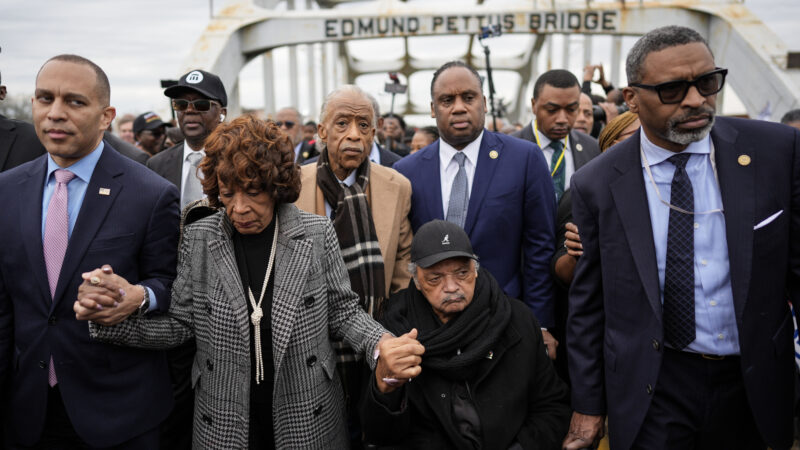
U.S. Rep. Hakeem Jeffries, D-NY, U.S. Rep. Maxine Waters, D-Calif., Rev. Al Sharpton, Rev. Jesse Jackson and NAACP President Derick Johnson, from left, march across the Edmund Pettus bridge during the 60th anniversary of the march to ensure that African Americans could exercise their constitutional right to vote, Sunday, March 9, 2025, in Selma, Ala.
By Kim Chandler and Safiyah Riddle
SELMA, Ala. (AP) — Charles Mauldin was near the front of a line of voting rights marchers walking in pairs across the Edmund Pettus Bridge in Selma, Alabama on March 7, 1965.
The marchers were protesting white officials’ refusal to allow Black Alabamians to register to vote, as well as the killing days earlier of Jimmie Lee Jackson, a minister and voting rights organizer who was shot by a state trooper in nearby Marion.
At the apex of the span over the Alabama River, they saw what awaited them: a line of state troopers, deputies and men on horseback. They kept going. After they approached, law enforcement gave a two-minute warning to disperse and then unleashed violence.
“Within about a minute or a half, they took their billy clubs, holding it on both ends, began to push us back to back us in, and then they began to beat men, women and children, and tear gas men, women and children, and cattle prod men, women and children viciously,” said Mauldin, who was 17 at the time.
Selma on Sunday marked the 60th anniversary of the clash that became known as Bloody Sunday. The attack shocked the nation and galvanized support for the U.S. Voting Rights Act of 1965. The annual commemoration pays homage to those who fought to secure voting rights for Black Americans and brought calls to recommit to the fight for equality.
For those gathered in Selma, the celebration comes amid concerns about new voting restrictions and the Trump administration’s effort to remake federal agencies they said helped make America a democracy for all.
Speaking at the pulpit of the city’s historic Tabernacle Baptist Church, House Minority Leader Hakeem Jeffries said what happened in Selma changed the nation. He said the 60th anniversary comes at a time when there is “trouble all around” and some “want to whitewash our history.” But he said like the marchers of Bloody Sunday, they must keep going.
“At this moment, faced with trouble on every side, we’ve got to press on,” Jeffries said to the crowd that included the Rev. Jesse Jackson, multiple members of Congress and others gathered for the commemoration.
Members of Congress joined with Bloody Sunday marchers to lead a march of several thousand people across the Edmund Pettus Bridge. They stopped to pray at the site where marchers were beaten in 1965.
“We gather here on the 60th anniversary of Bloody Sunday when our country is in chaos,” said U.S. Rep. Terri Sewell of Alabama.
Sewell, a Selma native, noted the number of voting restrictions introduced since the U.S. Supreme Court effectively abolished a key part of the Voting Rights Act that required jurisdictions with a history of racial discrimination to clear new voting laws with the Justice Department. Other speakers noted the Trump administration’s push to end diversity, equity and inclusion efforts and a rollback of equal opportunity executive orders that have been on the books since the 1960s.
In 1965, the Bloody Sunday marchers led by John Lewis and Hosea Williams walked in pairs across the Selma bridge headed toward Montgomery.
“We had steeled our nerves to a point where we were so determined that we were willing to confront. It was past being courageous. We were determined, and we were indignant,” Mauldin recalled.
He said the “country was not a democracy for Black folks” until voting rights. “And we’re still constantly fighting to make that a more concrete reality for ourselves.”
Kirk Carrington was just 13 on Bloody Sunday and was chased through the city by a man on a horse wielding a stick. “When we started marching, we did not know the impact we would have in America,” he said.
Dr. Verdell Lett Dawson, who grew up in Selma, remembers a time when she was expected to lower her gaze if she passed a white person on the street to avoid making eye contact.
Dawson and Mauldin said they are concerned about the potential dismantling of the Department of Education and other changes to federal agencies.
Support from the federal government “is how Black Americans have been able to get justice, to get some semblance of equality, because left to states’ rights, it is going to be the white majority that’s going to rule,” Dawson said.
“That that’s a tragedy of 60 years later: what we are looking at now is a return to the 1950s,” Dawson said.
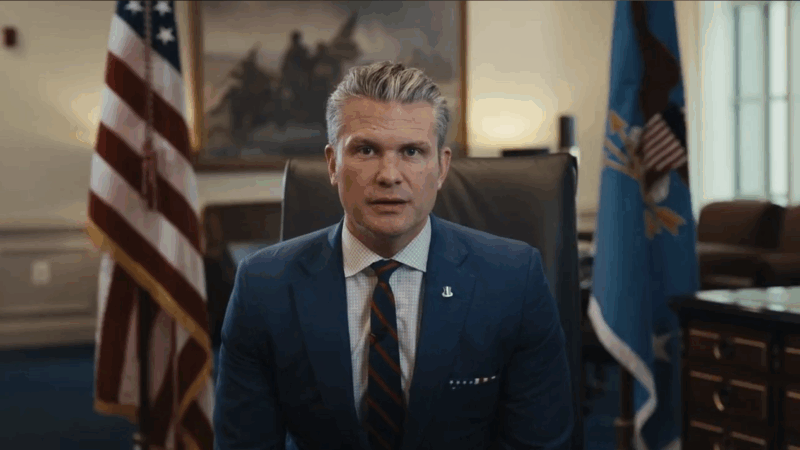
Pentagon puts Scouts ‘on notice’ over DEI and girl-centered policies
After threatening to sever ties with the organization formerly known as the Boy Scouts, Defense Secretary Hegseth announced a 6-month reprieve

President Trump bans Anthropic from use in government systems
Trump called the AI lab a "RADICAL LEFT, WOKE COMPANY" in a social media post. The Pentagon also ordered all military contractors to stop doing business with Anthropic.
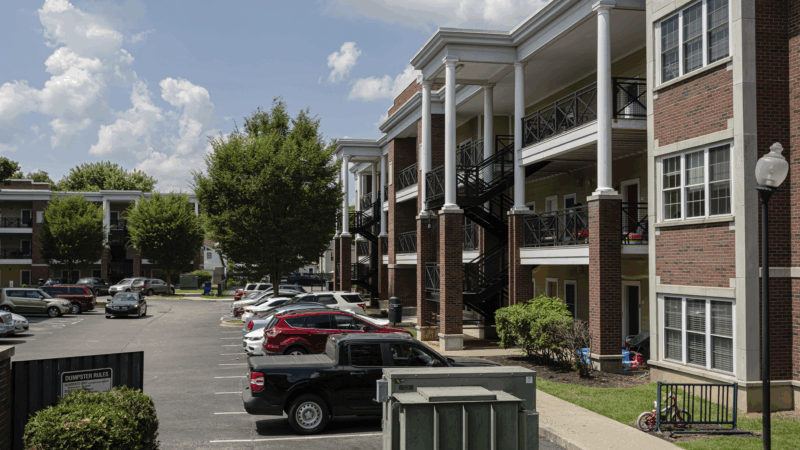
HUD proposes time limits and work requirements for rental aid
The rule would allow housing agencies and landlords to impose such requirements "to encourage self-sufficiency." Critics say most who can work already do, but their wages are low.
Paramount and Warner Bros’ deal is about merging studios, and a whole lot more
The nearly $111 billion marriage would unite Paramount and Warner film studios, streamers and television properties — including CNN — under the control of the wealthy Ellison family.
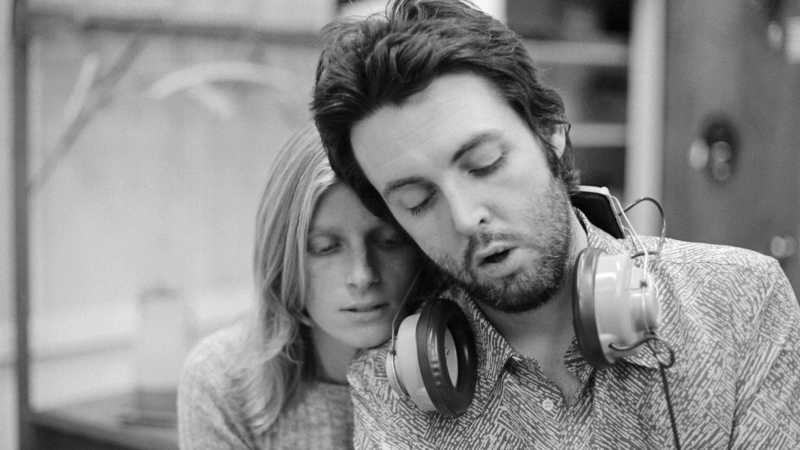
A new film follows Paul McCartney’s 2nd act after The Beatles’ breakup
While previous documentaries captured the frenzy of Beatlemania, Man on the Run focuses on McCartney in the years between the band's breakup and John Lennon's death.
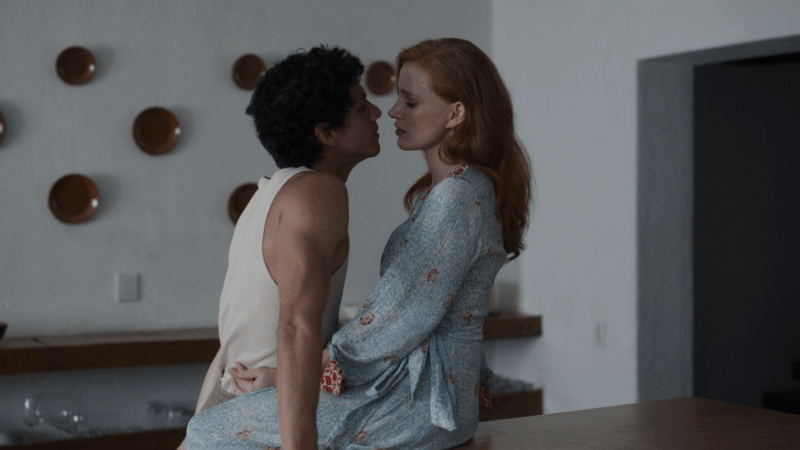
An aspiring dancer. A wealthy benefactor. And ‘Dreams’ turned to nightmare
A new psychological drama from Mexican filmmaker Michel Franco centers on the torrid affair between a wealthy San Francisco philanthropist and an undocumented immigrant who aspires to be a dancer.
