
Meet the people working to protect Southern protesters’ civil rights
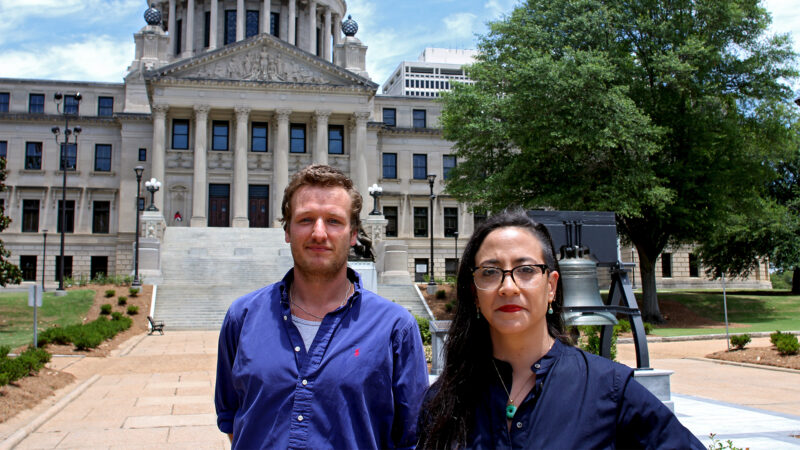
Blake Feldman and Paloma Wu, who run a legal observer and protester support program in Mississippi, pose for a portrait at the state's Capitol building on June 11, 2024.
The sounds and sights of protests in the South are familiar: the crackle of amplifiers, signs held up high, banners fluttering in the breeze and thunderous chants.
“No justice, no peace! No racist police!”
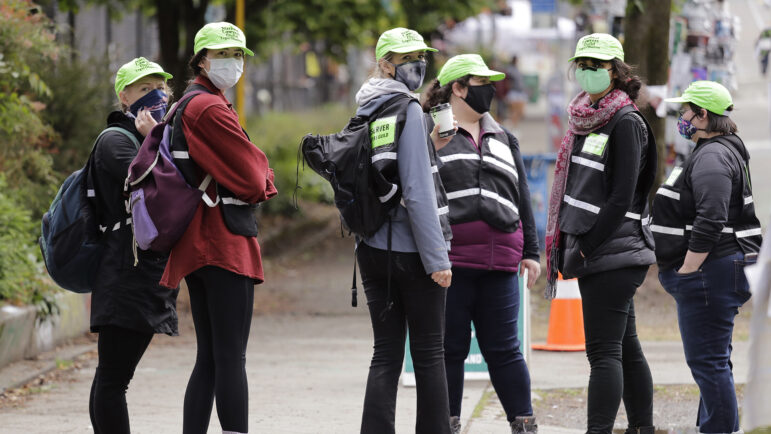
But if you look carefully during a protest in Mississippi, you might see someone wearing a yellow vest. In another state, they might wear a green hat, and carry a camera, or a notepad.
“We’re not chanting. We don’t hold signs. We don’t have slogans on our T-shirts. We are not protesters,” explains Paloma Wu, deputy director of impact litigation at Mississippi Center for Justice.
They’re legal observers, who aim to serve as watchdogs for protesters’ civil rights, at a time when they say tensions and temperatures at Southern protests are rising.
At activists’ invitation, legal observers are trained to join demonstrations to painstakingly document, via video and notes, what police or counter-protesters are doing. Generally, this can include police using force, using tools such as Tasers or riot gear, or what’s happening during mass arrests, in case they have to testify on protesters’ behalf in court.
Wu runs a legal observer and protester support program with her colleague, Blake Feldman, who said the government’s response to protests has “escalated.”
“People are just at an extremely high risk of having these rights violated, and sometimes in violent ways,” Feldman, who is impact policy counsel at the public interest law firm, said.
Their goal is to help activists get their message out and to engage in what Wu calls “counter-surveillance” of law enforcement officers, who often have high-tech tools at their disposal.
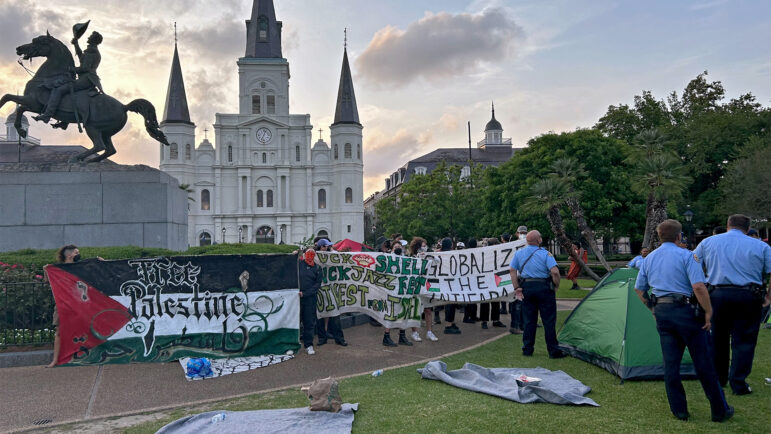
In a way, their role is to “police the police,” David Meyer, a UC Irvine sociology professor, said: not to enforce, but “to be objective observers and to be deterrents to police violence.”
Feldman and Wu have trained more than a dozen volunteers to be legal observers. They have noticed protest activity in new areas of the state, including in rural Mississippi, since 2020, when police killed George Floyd.
They are working at a time of increased visibility for protester clashes with police, from forceful responses to racial justice protests in 2020 to when thousands were arrested this year at campus protests over the war in Gaza.
That included dozens of people in the greater South, a New York Times analysis found.
Tensions for Southern activists also have brewed around a Fifth Circuit decision that suggested organizers might be held liable for injuries at demonstrations. The long-running case was dismissed by a federal judge last month, but is being appealed, court records show.
Wu said protests in Mississippi have seen the elderly, people with disabilities and parents getting arrested, and protecting their right to protest safely is crucial.
“It’s really important. Is it getting more important? Yes. And, also, the stakes have been so high for so long for so many people,” she said.
‘Emotions are high’
Legal observing in the U.S. dates back to at least the 1960s as a project of the National Lawyers Guild, which identifies itself as the first racially integrated bar association.
The group developed the program in response to historic civil rights demonstrations and mass arrests at that time, according to background information on its website, and it remains robust today.
Meyer, the UC Irvine professor, said observers can serve as an important information source when protesters are jailed. At demonstrations, police can “overreact” without ill intent.
“Emotions are high. They’re not necessarily well-trained. They bring whatever prejudices they have to the job,” he said.
Even before Gaza protests began making news, protesting had increased across the political spectrum, Meyer said. Generally, that’s thought to happen when people feel like they can’t get what they want without protesting.
Stephanie L. Willis, policy strategist for the ACLU of Louisiana, points out that protesting for political ends is a storied tradition in the U.S., and can get results.
“A lot of the changes that were made through the Civil Rights Movement would not have happened, if it were not for the protests that individuals had to see, and had to feel uncomfortable with,” she said.
An uncertain future
Amelie Daigle, a legal observer coordinator for the Louisiana National Lawyers Guild, said there has been “nonstop” protest activity in New Orleans since October, with more weekends with a protest than without one.
Like other people involved in this work, Daigle can’t share details of specific events she’s worked, in case that material becomes part of a court case.
But “what I can say about the atmosphere for protesting generally in New Orleans, is that it’s become more tense,” she said.
That’s due to a host of complications that are changing how policing works in New Orleans and Louisiana, Daigle said, that could add new challenges for both protesters and legal observing.
They include a new state law that creates a functional 25-foot “buffer zone” of space around police. This could make it difficult to film them and is being challenged by media groups in court.
That law potentially causes “chaos and confusion,” and could have a chilling effect on people’s willingness to participate in protests, said Willis, of the ACLU of Louisiana.
New Orleans is also expected to exit the consent decree it’s been under for more than a decade, which governs its police department. Daigle said the oversight agreement has made legal observing in the Crescent City feel somewhat more relaxed than in other places. But its anticipated end, as well as a new gubernatorial administration that has summoned more state police to New Orleans, has brought a sense of change.
“It’s a time of immense uncertainty for protesters and demonstrators, and I can tell that they feel it — that no one’s quite sure what the rules were anymore, even if they’ve been in the streets for years,” Daigle said.
Back in Jackson, Wu said one threat they have monitored is the attendance of counter-protestors at racial justice protests, including armed, white militants.
She sees that as “lockstep” with a rise in police use of force against protesters. That environment underlines the stakes of observers’ work protecting protester rights.
Feldman adds that activism has a special energy in Mississippi, and matters a great deal to its residents. The state’s people have a long history of battling for racial justice.
“I was thinking, some Mississippians know in their bones, this is an important part of civic engagement,” he said.
This story was produced by the Gulf States Newsroom, a collaboration between Mississippi Public Broadcasting, WBHM in Alabama, WWNO and WRKF in Louisiana and NPR.
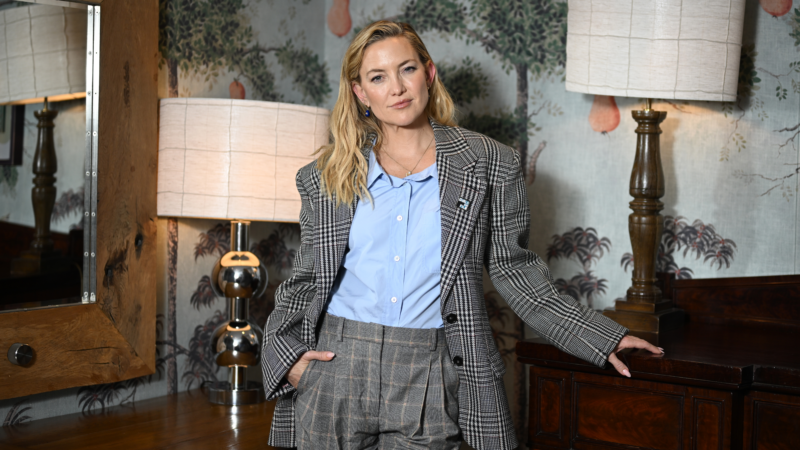
Kate Hudson on regret, rom-coms and finding a role that hits all the notes
Hudson always wanted to sing, but feared it would derail her acting career. Now she's up for an Oscar for her portrayal of a hairdresser who performs in a Neil Diamond tribute band in Song Sung Blue.
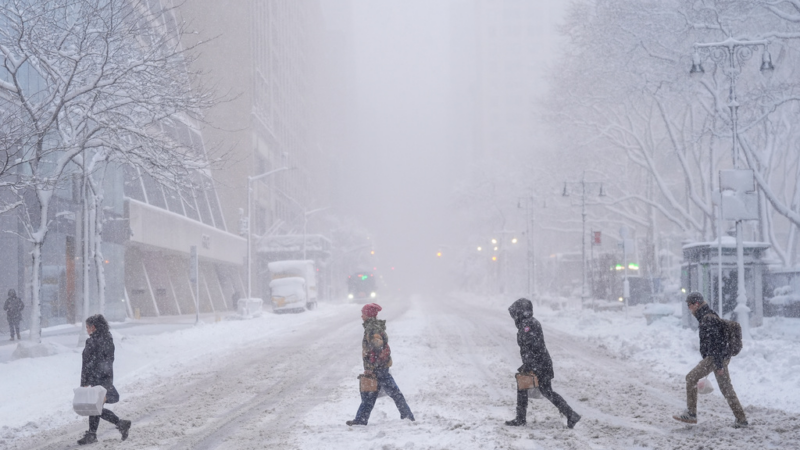
A powerful winter storm is roiling travel across the northeastern U.S.
Forecasters called travel conditions "extremely treacherous" and "nearly impossible" in areas hit hardest by the storm, and air and train traffic is at a standstill in many parts of the region.
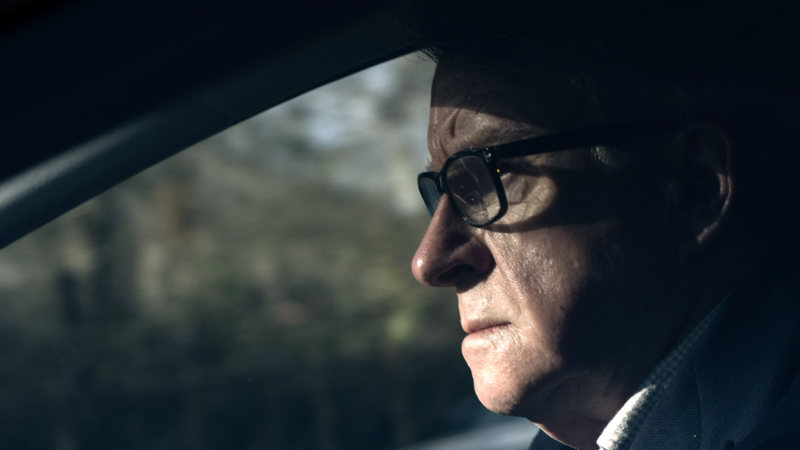
U.K. arrests ex-ambassador to the U.S. on suspicion of misconduct over Epstein ties
Police have arrested Peter Mandelson, a veteran Labour Party politician who served as British ambassador to the U.S., as part of an investigation into his ties with Jeffrey Epstein.
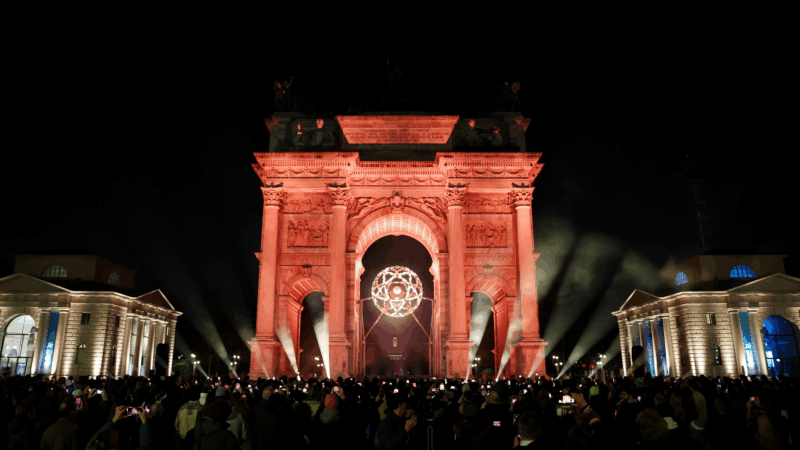
What NPR reporters will remember most about these Winter Olympics
NPR's reporters on the ground in Italy reflect on a far-flung, jam-packed Winter Olympics.
In the shadow of the Olympics, migrants search for a welcome in Milan
As Italy cracks down on migration, Milan takes a different path — offering shelter and integration to asylum seekers even as the central government tightens borders and funds deterrence abroad.
Trump to raise global tariffs. And, most say the state of the union is weak, poll says
President Trump says he is raising global tariffs to 15%. And ahead of the president's address tomorrow, most Americans say the state of the union is not strong, according to an NPR poll.
