
Attitudes among Alabama lawmakers softening on Medicaid expansion
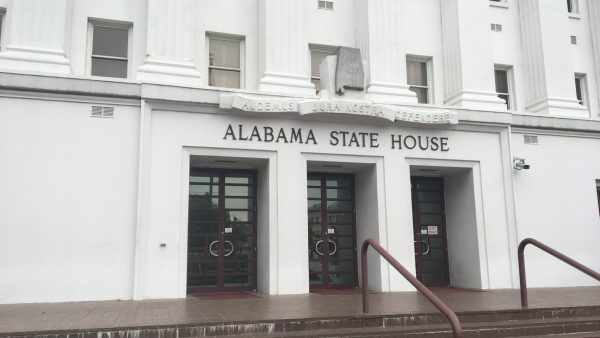
Alabama is one of ten states which has not expanded Medicaid. Republican leaders have pushed back against the idea for years. But a meeting this week between some state lawmakers and officials from two Southern states which have expanded Medicaid shows attitudes may be softening.
“A lot of lawmakers are pretty positive about it,” said Todd Stacy, host of Capitol Journal on Alabama Public Television. “But I’m not sure if it’s something that would gain the kind of support it would take to pass a bill.”
Stacy offered more perspective on the meeting and other happenings in Montgomery this week.
Meeting on Medicaid
Members of the House and Senate health committees met with officials from Arkansas and North Carolina to discuss Medicaid expansion on Wednesday. North Carolina is the most recent state to expand Medicaid and Arkansas expanded under a public-private partnership which has been under discussion in Alabama.
Most of the discussion at the meeting involved basic questions about mechanics of the expansion and the states’ experiences with the process.
“Republican resistance to expanding Medicaid really has been rooted in, ‘well, we just can’t afford it long term.’ Those are realistic concerns.” Stacy said. “But it’s also important to note no state that has expanded Medicaid has really seen a huge financial shortfall.”
Stacy pointed out Medicaid expansion would not require the legislature to act, but could be done by the governor. The public-private partnership idea that’s been floated would use Medicaid dollars to buy insurance from private companies. It would target those who earn too much to qualify for Medicaid or don’t have health care coverage through their jobs, but don’t qualify for subsidies through the Affordable Care Act.
“Lots of conversation around this, but certainly not final,” Stacy said. “This is probably something the governor is going to be considering over the summer.”
Parental leave bill
The Senate Education Budget Committee passed a modified version of a bill that would give parental leave to some education employees after the birth or adoption of a child. But changes to the legislation faced objections from the bill’s sponsor, Democratic Sen. Vivian Davis Figures.
“It was a pretty big dustup in the committee,” Stacy said.
Figures’ original bill would have offered men and women 12 weeks of paid leave after the birth or adoption of a child. It would also allow for leave after a miscarriage or stillbirth.
“In committee, they scaled that back to really align it with what is already in the pipeline for non-education state employees,” Stacy said. “Sen. Figures felt like she was misled. She felt like there was miscommunication there. So she let her voice be heard. She was really displeased that her bill was scaled back so far.”
In the end, the committee passed a bill that would give female education employees six weeks of paid leave after the birth or adoption of a child. It would not extend leave for miscarriages or stillbirths, and it would not provide leave for male parents.
‘Don’t Say Gay’ bill
On Tuesday, Alabama lawmakers advanced legislation to expand the state’s ban on teacher-led discussions about sexual orientation and gender identity in public school classrooms. It would also ban teachers and school employees from displaying Pride flags or similar symbols, on school grounds.
The House of Representatives voted for the bill, largely along party lines with Republicans in support and Democrats against. It now advances to the Alabama Senate.
The legislation is part of a wave of laws across the country that critics have dubbed “Don’t Say Gay.” Alabama’s bill would expand current state law, which prohibits the instruction in elementary school, and take the prohibition through the eighth grade. The bill originally sought to extend the prohibition through 12th grade.
“We’re getting late in the session. It’s tough to say whether or not there’s enough time for that to pass, but a pretty controversial bill,” Stacy said.
Includes reporting from the Associated Press
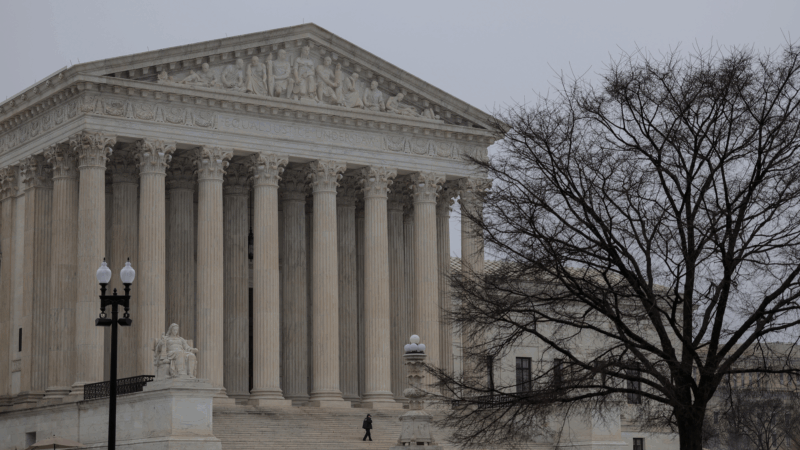
Supreme Court appears split in tax foreclosure case
At issue is whether a county can seize homeowners' residence for unpaid property taxes and sell the house at auction for less than the homeowners would get if they put their home on the market themselves.
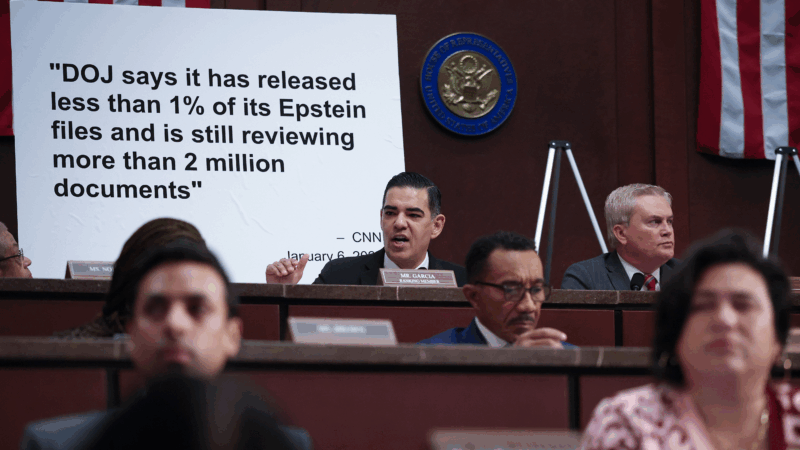
Top House Dem wants Justice Department to explain missing Trump-related Epstein files
After NPR reporting revealed dozens of pages of Epstein files related to President Trump appear to be missing from the public record, a top House Democrat wants to know why.
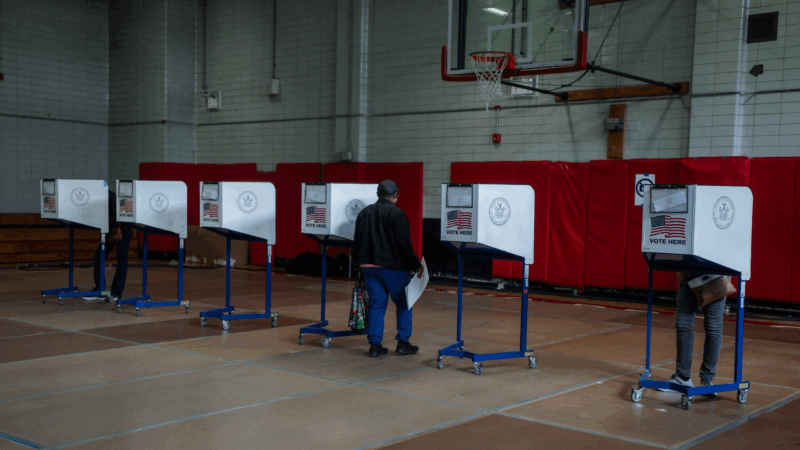
ICE won’t be at polling places this year, a Trump DHS official promises
In a call with top state voting officials, a Department of Homeland Security official stated unequivocally that immigration agents would not be patrolling polling places during this year's midterms.
Cubans from US killed after speedboat opens fire on island’s troops, Havana says
Cuba says the 10 passengers on a boat that opened fire on its soldiers were armed Cubans living in the U.S. who were trying to infiltrate the island and unleash terrorism. Secretary of State Marco Rubio says the U.S. is gathering its own information.
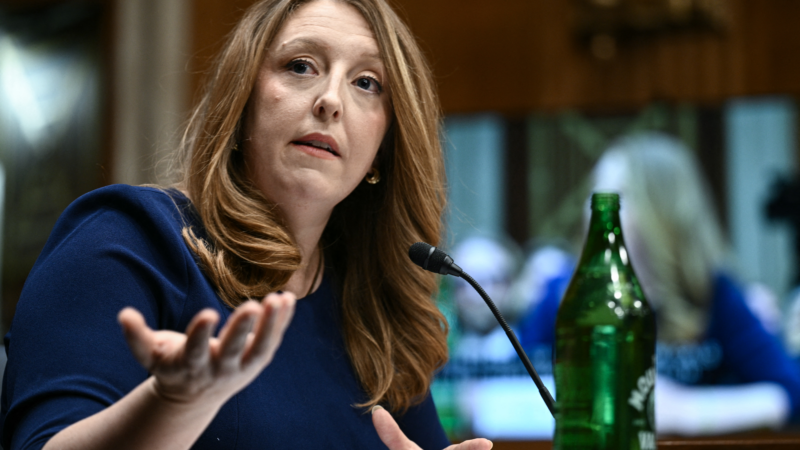
Surgeon general nominee Means questioned about vaccines, birth control and financial conflicts
During a confirmation hearing, senators asked Dr. Casey Means about her current positions and her past statements on a range of public health issues.
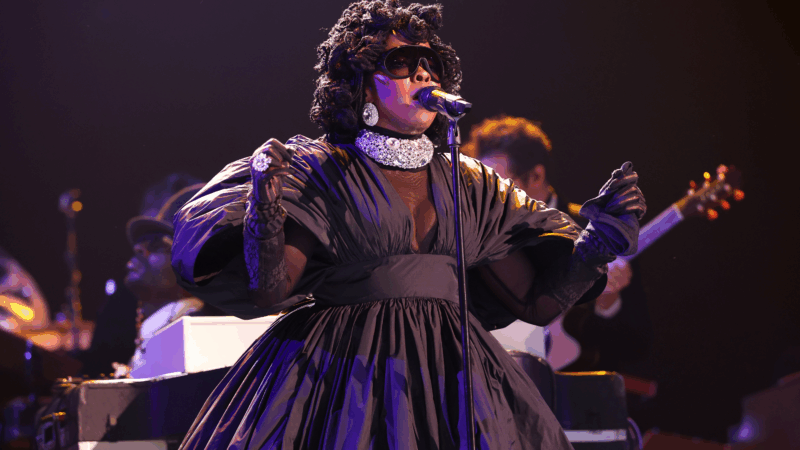
Rock & Roll Hall of Fame 2026 shortlist includes Lauryn Hill, Shakira and Wu-Tang Clan
The shortlist also includes a 1990s pop diva, heavy metal pioneers and a legendary R&B singer and producer.
