
Alabama pharmacists urge lawmakers to pass HB 238
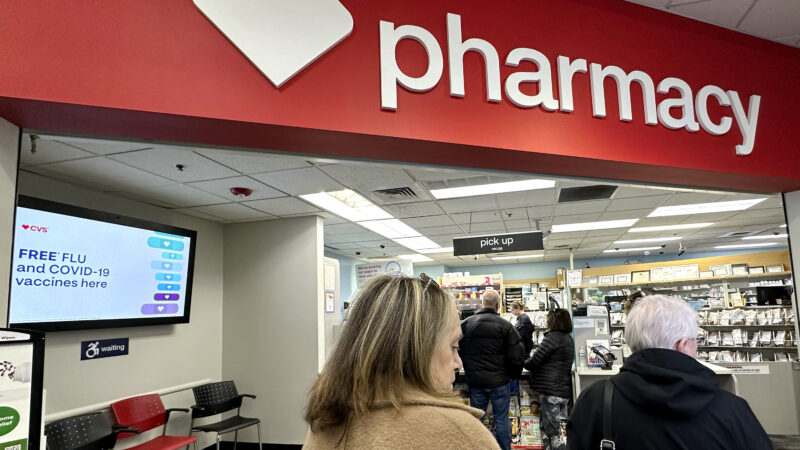
A sign for flu vaccination is displayed on a screen as customers wait to pick up their medication at a pharmacy store in Buffalo Grove, Ill., Tuesday, Feb. 13, 2024.
At his pharmacies around Birmingham, pharmacist Patrick Devereux stocks a drug called Invega Trinza, a three-month injectable that can ease symptoms of psychosis. Devereux said the medication can help customers with significant mental illness remain independent and out of the hospital. But it’s expensive.
“Invega Trinza is $10,000 right now,” Devereux said. “That’s the acquisition cost of that drug, $10,000.”
That’s the price Devereux’s pharmacy pays to buy the drug from a wholesale supplier. Once they inject the medication into the customer’s shoulder, the pharmacy files for reimbursement.
In the case of Invega Trinza, Devereux said his pharmacies are reimbursed roughly $850 less than what they paid for it.
“We spent $10,000. We lost $850. And we took care of the patient anyway,” Devereux said. “We can’t keep doing it. We just can’t. Without some legislation, there’s just no way to continue to remain operational.”
Devereux is one of hundreds of independent pharmacists and pharmacy organizations across Alabama pleading their case to state lawmakers, asking them to approve House Bill 238.
Called the Fair Meds Act, the legislation would set payment requirements for pharmacy benefit managers (PBMs), companies that handle pharmacy benefit plans on behalf of insurance companies and employers.
The bill would require PBMs to reimburse pharmacies an average cost of a medication plus a dispensing fee of $10.64. The legislation passed out of the House Insurance Committee earlier this month and now awaits a vote by the full House.
“Everybody in this model will know exactly what those drugs cost that patient, what it cost the employer, what it cost the PBM,” said Republican Rep. Philip Rigsby, the bill’s sponsor. “It will not be a guesstimate of what medications are going to cost.”
He said the legislation would increase transparency and fairness by utilizing a statewide index based on the average acquisition price of medications in Alabama.
But opponents of the bill said the proposed rules would prompt PBMs and insurance companies to increase their prices.
“We all know that nothing is free,” said Robin Stone, executive director of the Alliance of Alabama Healthcare Consumers, a lobbying organization that represents large employers in the state.
Stone said the new pricing model would lead to higher health insurance premiums and copays.
“And insurance benefits are paid by hard-working Alabamians. They will bear the cost of this new tax,” he said.
Officials with the Retirement Systems of Alabama (RSA), who manage a healthcare plan for state employees and retirees, also worry about the legislation.
“We’re very concerned about how difficult this is going to make it for us to continue to manage the funding of the plan and provide the same level of benefits to members,” said RSA legislative counsel Neah Scott.
Supporters of the bill acknowledge the legislation could lead to higher insurance costs, though they argue the change should ultimately decrease costs, because it would mandate transparency and standardize prices among PBMs.
Pharmacists also stress that the $10.64 dispensing fee is a charge to cover the costs of doing business. It is not a tax.
They warn that if the bill doesn’t pass, some smaller pharmacies might have to close, especially in rural communities. More broadly, they said pharmacies across the state may have to stop carrying medications that generate a negative reimbursement.
“If you want access to care, if you want access to not have to drive 20 minutes, 30 minutes to get a prescription filled, this (bill) is something that needs to happen,” Devereux said.
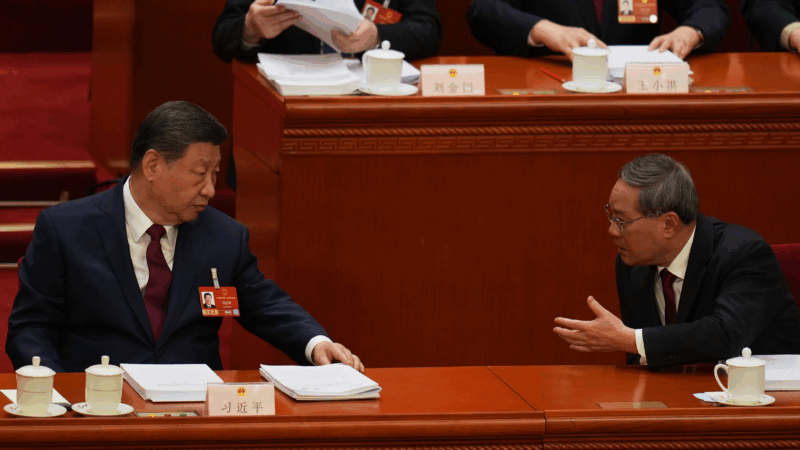
China sets a lower economic growth target of 4.5% to 5% for 2026 as challenges loom
China has signaled continuity rather than change for its economy, setting a slightly lower target for growth this year in the midst of a property slump and other headwinds at home and growing uncertainty abroad.
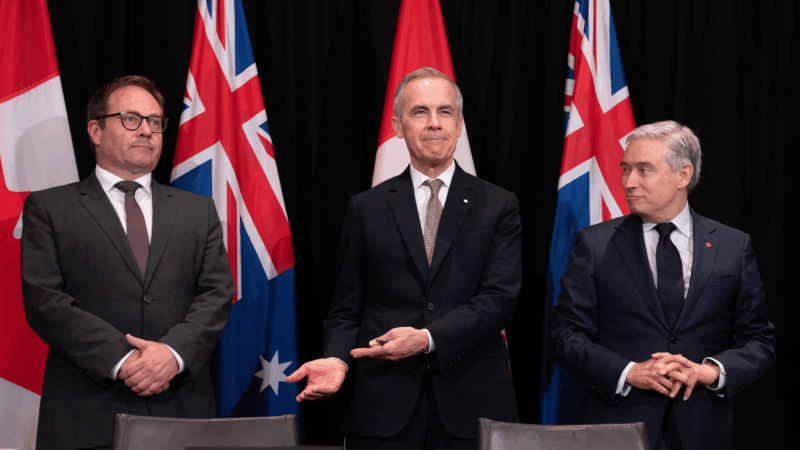
Carney says he backs strikes on Iran ‘with some regret’ as world order frays
Canadian Prime Minister Mark Carney says he supports the strikes on Iran "with some regret" as they represent an extreme example of a rupturing world order.
Iranian civilians are now fleeing the relentless bombing for neighboring Turkey
As the U.S. military broadens its strikes in Iran, traumatized Iranians are reaching the border with Turkey.
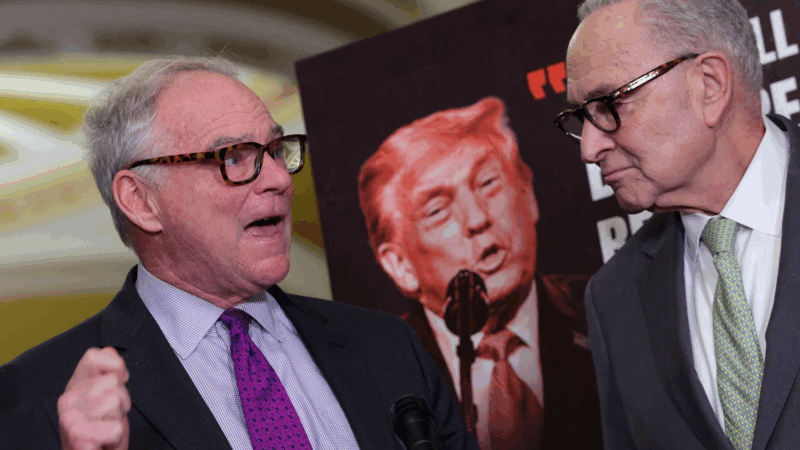
A split Senate votes against measure to constrain Trump’s authorities in Iran
Democrats in the Senate were facing an uphill climb Wednesday in their push to restrain President Trump's ability to wage war against Iran.
WATCH: How traffic dried up in the Strait of Hormuz since the Iran war began
The effective closure of the Strait of Hormuz is "about as wrong as things could go" for global oil markets. Iran achieved it not with a naval blockade, but with cheap drones.
As Mississippi waits to spend opioid settlement funds, children and families suffer
Mississippi will receive more than $400M to fight the opioid epidemic. So far, officials haven't directed it toward programs that support addiction recovery.
