
Southern Poverty Law Center Dismisses Founder
The Southern Poverty Law Center, a Montgomery-based civil rights watch dog group, dismissed its founder Morris Dees with little detail on what led to the ouster.
In a statement Thursday from its President Richard Cohen, the SPLC said:
“Effective yesterday, Morris Dees’ employment at the Southern Poverty Law Center (SPLC) was terminated. As a civil rights organization, the SPLC is committed to ensuring that the conduct of our staff reflects the mission of the organization and the values we hope to instill in the world. When one of our own fails to meet those standards, no matter his or her role in the organization, we take it seriously and must take appropriate action.”
Dees founded the SPLC in 1971 with lawyer Joseph Levin Jr. and civil rights activist Julian Bond.Over the years Dees led legal battles against hate crimes, intolerance and discrimination.
SPLC says it is taking steps to conduct a comprehensive assessment of its internal climate and workplace practices “to ensure that our talented staff is working in the environment that they deserve – one in which all voices are heard and all staff members are respected.”
“The SPLC is deeply committed to having a workplace that reflects the values it espouses – truth, justice, equity and inclusion, and we believe the steps we have taken today reaffirm that commitment.”

A dose of psilocybin helps smokers quit in new study
The psychoactive substance in magic mushrooms appears to have a powerful effect on people trying to stop smoking.

‘Pro-worker AI,’ streaming fatalities, and other fascinating new economic studies
From artificial intelligence to fatalities from music streaming to the effects of immigrants on elderly health care, the Planet Money newsletter rounds up some interesting new economic studies.
GLP-1s have transformed weight loss and diabetes. Is addiction next?
A large study found that people taking GLP-1 drugs like Ozempic for diabetes were less likely to be diagnosed with substance use disorder.
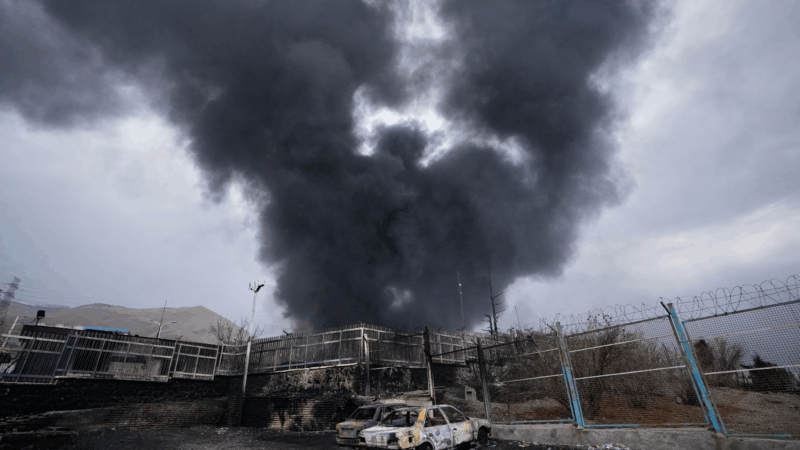
Trump gives mixed messages about when the war with Iran will end
In a phone call with CBS News Monday, Trump said "the war is very complete." But at a separate event with Republican lawmakers, he said the U.S. still needed to achieve "ultimate victory."
One year later: Mahmoud Khalil remains in limbo but ready to fight
The case of Khalil, who was detained last March, sits at the vanguard of a battle of immigrants' due process and civil rights, and the Trump administration's mass detention and deportation policies.
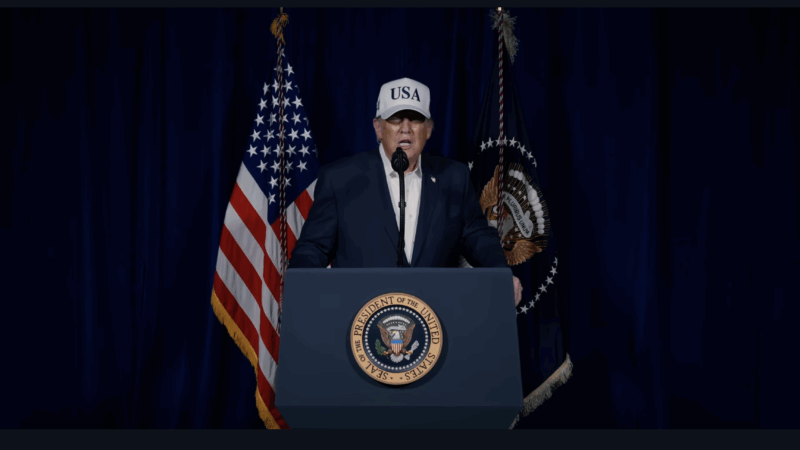
Why Congress rarely pushes back when presidents deploy military force
The Constitution gives Congress the power to declare war, but presidents assert broad authority over use of force and the military. Congress has done little to push back.
