
Plant Gorgas Latest Coal Giant to Fall as Power Companies Turn Toward Natural Gas, Renewables

By Hank Black

The Alabama Power Co. announcement that it will retire its three coal-fired units at the William Crawford Gorgas Electric Generating Plant on April 15 is just the latest blow to coal power as economic realities pile up on the industry.
In the past four years, Alabama Power has reduced its coal-fired units from 23 to 10. After Plant Gorgas closes, only three coal-burning plants will remain in the company’s energy portfolio.
The Plant Gorgas news came hard on the heels of PowerSouth Electrical Cooperative’s recent decision to shutter Plant Lowman on the Tombigbee River next year. Last week, the Tennessee Valley Authority board of directors voted to close two of the eight coal plants in its inventory. And just two weeks ago, Georgia Power Co. proposed to retire five such units at two power plants.
These are just the latest in a trend across the country to reduce reliance on coal and diversify utility portfolios with other sources of energy, principally wind, solar and other renewables. The demise of coal power in the U.S. is expected to continue, despite efforts to the contrary by the Trump Administration. In the days before TVA’s decision to close its aging power plants, for example, President Trump publicly urged the independent federal utility to keep them functioning.
The plants that are closing are in many cases 50 years old or more and are said to be too costly to update to meet modern emissions standards. Alabama Power blamed the cost of complying with environmental mandates estimated to cost $300 million for the decision to close Plant Gorgas, located on the Black Warrior River in Walker County.
“We are also concerned that more regulations are on the horizon that could require additional, costly expenditures at the plant,” said Jim Heilbron, the company’s senior vice president and senior production officer.
The Black Warrior Riverkeeper organization has long been in the forefront of opposition to Plant Gorgas. Riverkeeper Nelson Brook said, “The Gorgas Steam Plant has polluted the Mulberry Fork of the Black Warrior River for many decades” In a statement today, he urged the power to company clean up its pollution, “including its coal ash waste in Rattlesnake Lake across the river.”
Alabama Power’s remaining coal-fired plants are Ernest C. Gaston Electric Generating Plant in Wilsonville, which has coal and gas units; James H. Miller Jr. Electric Generation Plant on the Locust Fork; and James M. Barry Electric Generation Plant, which has coal and gas units.
PowerSouth CEO Gary Smith also blamed environmental regulations for forcing the electrical cooperative to shutter Plant Lowman, a Tombigbee River facility in Washington County.
But others point out that natural gas plants have become more desirable because they are cheaper to operate and create less air pollution and toxic ash residue than plants that burn coal. And wind, solar and other renewable sources of energy are rapidly growing across the country, bringing greater cost-savings and satisfying a growing shareholder demand for reducing or eliminating the global-warming emissions from fossil fuels.
TVA’s plan, for example, is to close its four remaining coal-fueled plants as soon as 2028 and replace the power generated with an equal amount of new solar power production, according to Energy News Network newsletter.
Alabama Power’s reduction in coal plants has been accomplished through retirements or by converting units to natural gas, it said in a news release.
“It’s unfortunate that Alabama Power blames federally driven environmental mandates as the culprit for closure,” a representative for the Southern Environmental Law Center in Birmingham said today.
Managing Attorney Keith Johnston said, “The fact of the matter is that cleaner sources of energy are now much cheaper for power generation, from a health and environmental perspective, and do not require the public to bear the brunt of the pollution.”
Johnston said, “It’s also unfortunate that ratepayers have to pick up the tab due to Alabama Power sinking costs into these outdated and polluting units when they should have been closed years ago.”
Alabama Power measurements last year showed Plant Gorgas and all other plants with coal ash in the state are “polluting groundwater and putting public health and safety at risk,” a representative of the Sierra Club said today.
Stephen Stetson, the nonprofit’s Beyond Coal Campaign senior representative for Alabama, Mississippi and Georgia, said, “Alabama Power is getting the message about the importance of moving away from the dirty, dangerous coal of the past and embracing 100 percent clean energy, which boosts our economy and protects the environment. We’re looking forward to Alabama Power preparing for responsible environmental closure of this site and for fair and equitable economic transition plans for affected workers and communities in Walker County and the surrounding areas.”
Word leaked into the news last weekend of the imminent closing of Plant Gorgas when a dean at Jasper’s Bevill State Community College told Appalachian Regional Commission officials the college has been providing training for some plant workers “who are going to be dislocated,” according to the Daily Mountain Eagle.
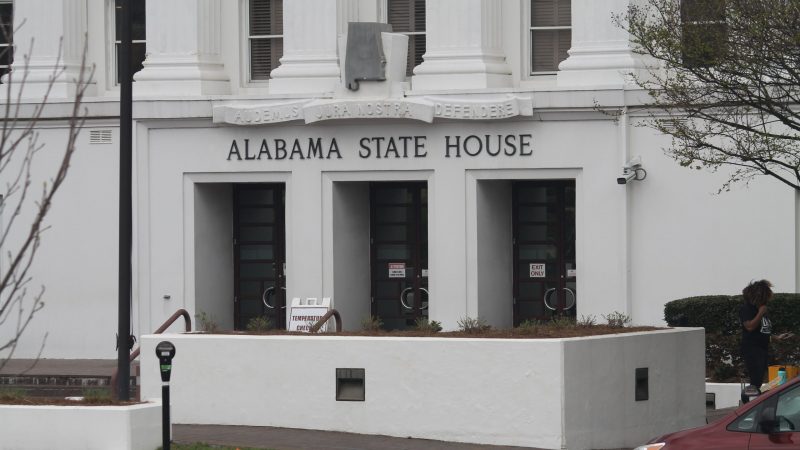
Bill making the Public Service Commission an appointed board is dead for the session
Usually when discussing legislative action, the focus is on what's moving forward. But plenty of bills in a legislature stall or even die. Leaders in the Alabama legislature say a bill involving the Public Service Commission is dead for the session. We get details on that from Todd Stacy, host of Capitol Journal on Alabama Public Television.

My doctor keeps focusing on my weight. What other health metrics matter more?
Our Real Talk with a Doc columnist explains how to push back if your doctor's obsessed with weight loss. And what other health metrics matter more instead.

Baz Luhrmann will make you fall in love with Elvis Presley
The new movie is made up of footage originally shot in the early 1970s, which Luhrmann found in storage in a Kansas salt mine.

Forget the State of the Union. What’s the state of your quiz score?
What's the state of your union, quiz-wise? Find out!

A team of midlife cheerleaders in Ukraine refuses to let war defeat them
Ukrainian women in their 50s and 60s say they've embraced cheerleading as a way to cope with the extreme stress and anxiety of four years of Russia's full-scale invasion.

As the U.S. celebrates its 250th birthday, many Latinos question whether they belong
Many U.S.-born Latinos feel afraid and anxious amid the political rhetoric. Still, others wouldn't miss celebrating their country
