
Tesla to Boost Charging Sites in Alabama to 10
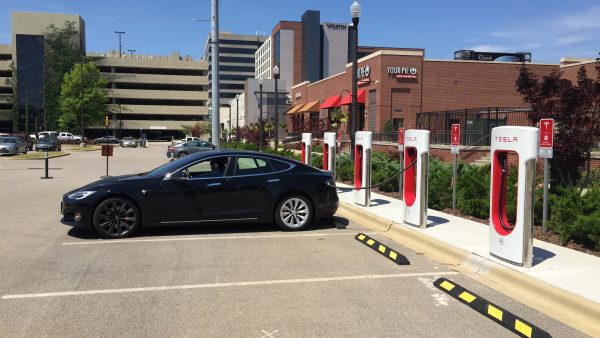
Dr. Phil Parker of Nashville charges his Tesla while on a conference call in Birmingham's Uptown district.
Tesla is known for fast electric cars with price tags that can easily reach six figures. But this summer, the company plans to produce its first mass-market model. The Model 3 starts at $35,000. And partly to prepare for more Teslas on the road, the company says it’s expanding its network of charging sites in North America by 150 percent, including in Alabama.
Sean Vanlandingham is happy about that. The emergency room doctor commutes about 90 miles a day between Vestavia Hills and Chilton County in his Tesla. On a recent afternoon, he showed me some high-tech features: door handles that pop out when you approach the car, a massive web-connected, touch screen, voice-activated navigation that plots routes through charging stations to your destination, and then once we hit the road, a self-driving program that he says lets him eat a full meal of barbecue “with a fork and knife and not make a mess” on highway trips.
But he wanted to show me another aspect of his car. Once traffic cleared, he hit the accelerator hard and let’s just say I was audibly surprised by the bullet-like acceleration.
Though it felt instantaneous and terrifying, the acceleration and braking were strangely smooth. Electric motors offer instant torque, and the cars have few mechanical parts.
“It’s a lot more like Apple than like, say, Ford or Chevy,” says Vanlandingham. “There’s no engine, there’s no transmission, there’s no drivetrain. It’s basically a gigantic battery.”

Dan Carsen, WBHM
Since there’s no engine, Teslas have a rear trunk and a front trunk, or as many owners call it, a “frunk.”
And that battery has to be charged. Most Tesla owners do that overnight at home. But what if you need to drive far from home?
Phil Parker of Nashville is on the road a lot for business. He says his Tesla saves him $5,000 a year on gas, but, “one of the drawbacks is you have to plan differently. You have to plan your trips around your charging.”
So Tesla wants more stations to make charging on the road more convenient. I found Parker charging his in Birmingham’s Uptown district, one of Alabama’s four “Supercharger” sites. There are plans for six more statewide. Superchargers work faster than standard home or parking lot hookups, which can take several hours or a whole night, depending on the wiring and the car model. Superchargers take an hour or less for a full charge, which gets you roughly 200 to 300 miles.
“They invite business,” says Parker. “If there are Tesla owners within a hundred miles, they will visit those superchargers frequently.”
Several factors go into where the company puts superchargers, including traffic flow and distance from other stations. And it’s no accident superchargers are near restaurants and retail centers. University of Richmond transportation economist George Hoffer says people charging up might want to rest or grab a meal while they wait. “The most logical place to have it, especially in the South, would be Cracker Barrels,” he jokes.
It’s not just restaurants that are benefitting. Cedric Daniels is Alabama Power’s electric transportation manager. He says plug-in car owners get a roughly 15 percent discount on home electricity after 9 p.m., adding, “we’re advising all of our customers who have new construction and are building parking areas to consider, at a minimum, making their capacity larger and putting in conduit that will save them substantially and give them flexibility for the future.”
Flexibility is also key for drivers. Hoffer, the economist, says people gain a sense of freedom through their cars but have “range anxiety” about being stranded, especially in rural areas.
And some critics say environmental benefits of electric cars are negated if the energy comes from coal or even from cleaner fossil fuels. That’s partly true, but in the aggregate, electric cars still tend to be cleaner: natural gas, which is now used at many power plants, is generally cleaner than gasoline or diesel, and central generating systems are more efficient than thousands or millions of smaller power plants (engines). Even with coal-generated electricity, electric cars in effect move pollution away from cities — think exhaust and smog over a congested Birmingham highway — to less populated areas. That’s important in places like Greater Birmingham, where air quality can have negative health effects. That affects the economy when workers are sick, when their children miss school due to asthma or other ailments, and when municipalities don’t meet federal air quality regulations and are thus limited in the types of industry they’re allowed to have.
Making, recycling, and disposing of batteries without releasing toxins can be tricky too, but several engineers I spoke with say those techniques are rapidly being refined.
Economist George Hoffer agrees that innovation can mitigate these problems.
“The Tesla automobile is tied to the state of technology with respect to the battery, and as that is improving dramatically, these vehicles become more viable. Clearly, I think they can make a go of it.”
If they do, you can expect to see more Teslas quietly crisscrossing Alabama.

Suspect in attack at Michigan synagogue is dead, officials say
Security officers at Temple Israel had "engaged the threat" that apparently started with a vehicle ramming into the building, according to Oakland County Sheriff Mike Bouchard.

This tale of a Chicago school book ban was inspired by true events
Librarian Jarrett Dapier's graphic novel tells a fictionalized account of real-life events in 2013 that restricted access to Marjane Satrapi's memoir Persepolis in Chicago Public Schools.
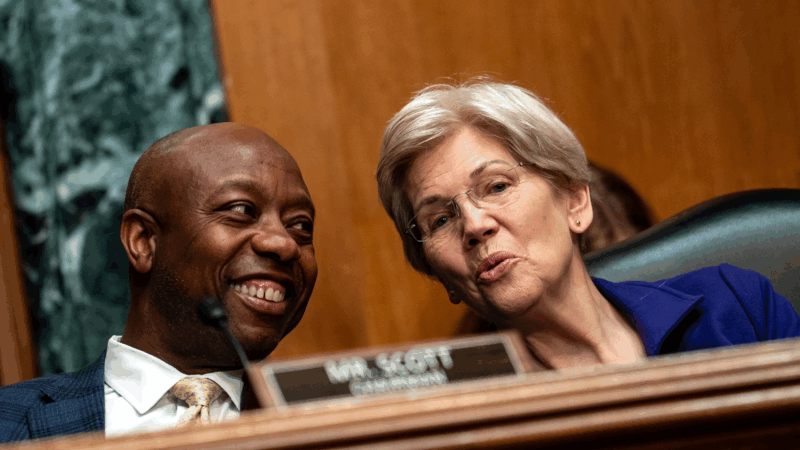
Senate passes bipartisan housing bill targeting large investors and easing regulations
The 21st Century ROAD to Housing Act would ban large investors from buying up single-family homes.
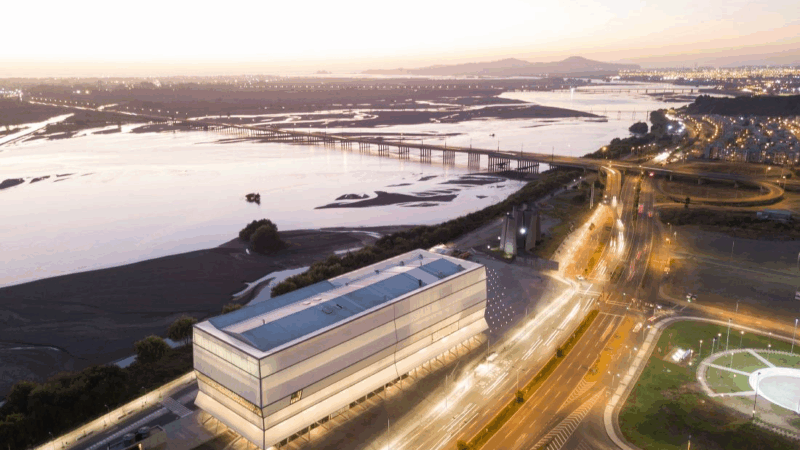
Chilean Smiljan Radić Clarke wins architecture’s highest honor
The Pritzker Prize was awarded Thursday. "In every work, he is able to answer with radical originality, making the unobvious obvious," said fellow Chilean architect and prize chair Alejandro Aravena.
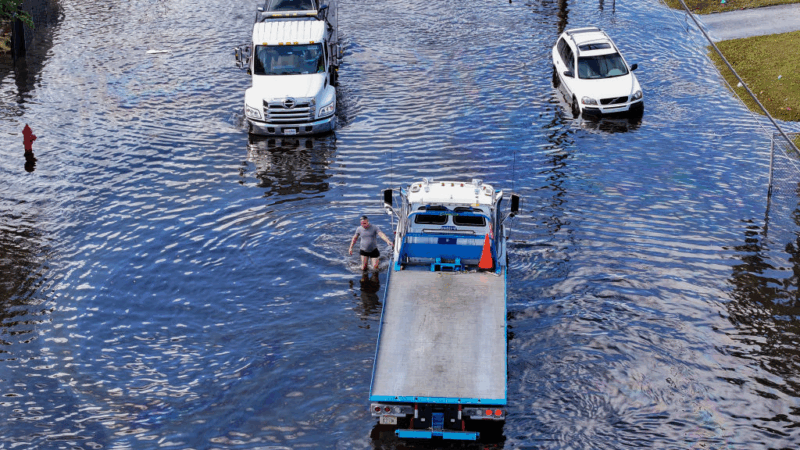
El Niño is set to take hold this summer, driving up global temperatures
A potentially strong El Niño weather pattern will likely emerge this summer and persist through the rest of the year. The hottest years on record generally occur in years when El Niño is active.

‘Songs from the Hole’: The story behind JJ’88’s documentary and visual album
The visual album and documentary Songs from the Hole tells the story of James Jacobs, the hip-hop artist JJ'88, as he reflects on his coming-of-age within California's state prison system.
